Neurovascular & High-Risk Foot Care
Specialised assessment, monitoring, and management designed to help protect foot health, reduce complications, and maintain mobility and independence for people living with diabetes, neurological conditions, and circulation disorders.
The problem
Our feet rely on healthy nerves, blood vessels, muscles, joints, and skin to function normally.
When sensation, circulation, or muscle function becomes impaired, the risk of injury, ulceration, infection, falls, and loss of mobility can increase significantly.
Conditions commonly associated with neurovascular and high-risk foot problems include:
- Diabetes
- Peripheral neuropathy
- Peripheral arterial disease (poor circulation)
- Charcot-Marie-Tooth disease (CMT)
- Multiple sclerosis (MS)
- Stroke
- Nerve injuries
- Foot drop
- Spinal conditions affecting nerve function
Many people are unaware that changes in sensation, circulation, balance, or foot function may be developing until significant problems occur.
Early assessment and ongoing monitoring can play an important role in identifying risks and preventing complications before they become serious.
How we treat it
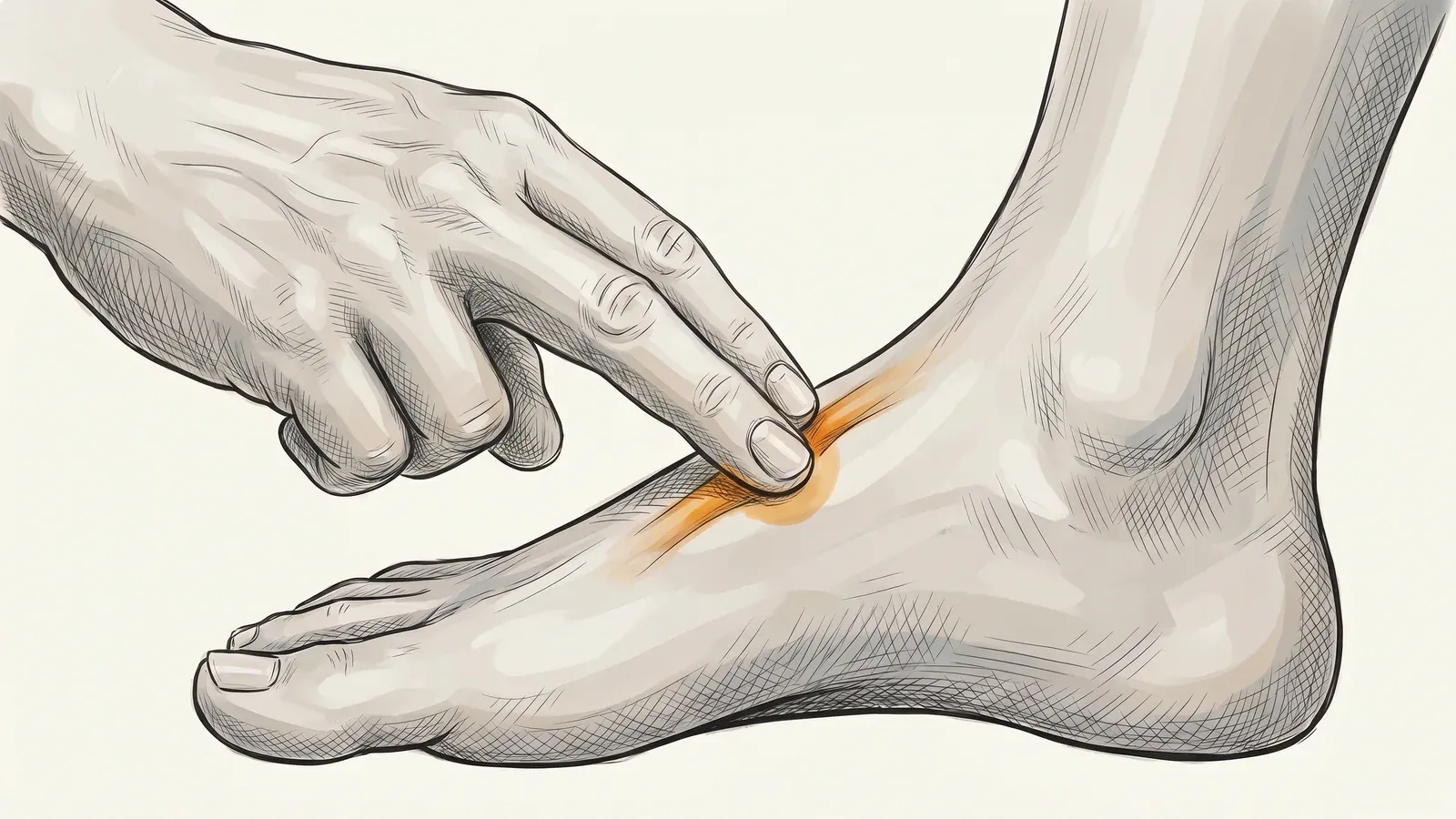
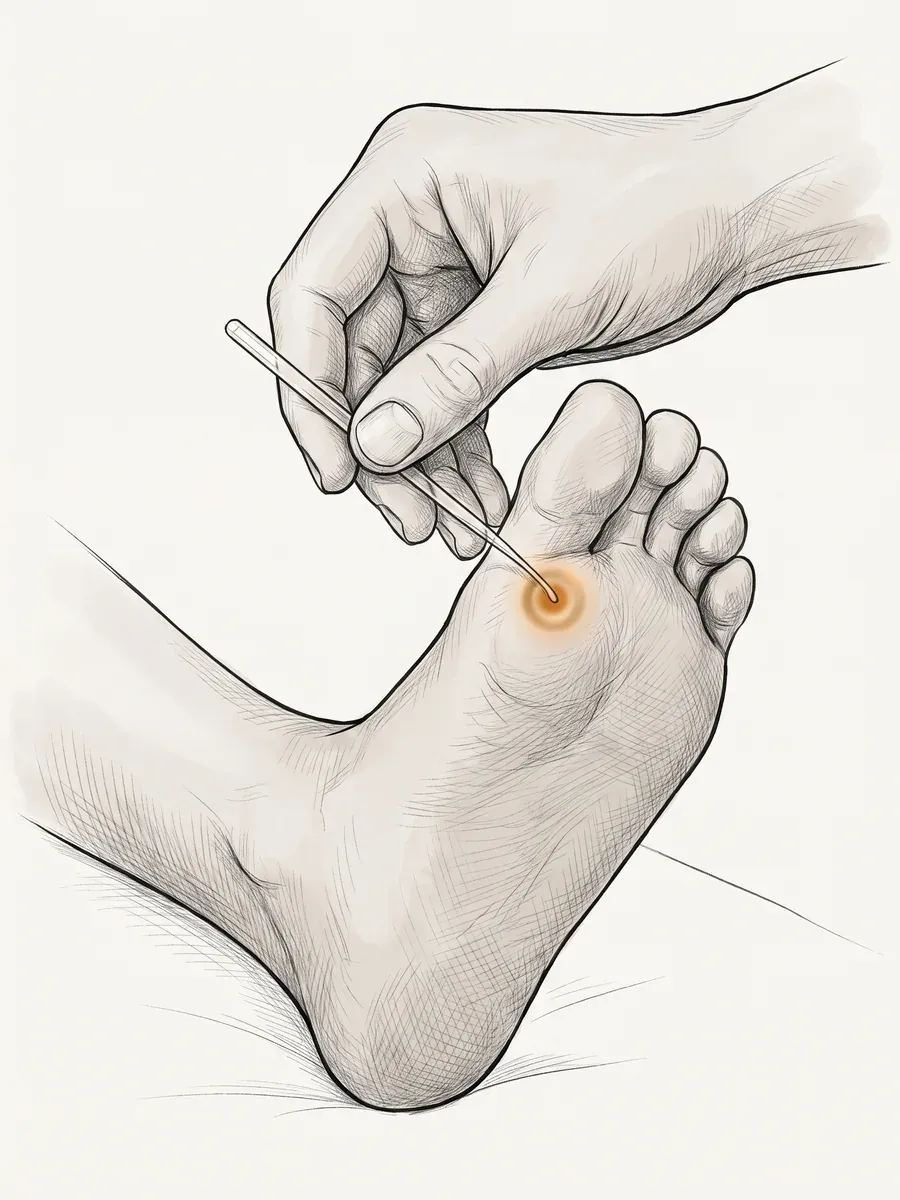
Our Neurovascular & High-Risk Foot Care service focuses on identifying risk factors, preserving mobility, and reducing the likelihood of complications.
Assessment may include:
- Neurological testing
- Sensation testing
- Monofilament assessment
- Vibration testing
- Circulation assessment
- Pulse assessment
- Doppler vascular assessment, where indicated
- Footwear assessment
- Pressure and risk assessment
- Falls risk screening
- Foot deformity assessment
- Skin and nail assessment
Following the assessment, we will discuss your findings and develop a management plan tailored to your individual needs.
This may include:
- Ongoing monitoring and review
- High-risk foot care
- Footwear recommendations
- Orthotic prescription
- Bracing solutions
- Pressure offloading strategies
- Falls prevention advice
- Referral for vascular investigation where appropriate
- Coordination with GPs, specialists, nurses, physiotherapists, and other healthcare providers
Our goal is not simply to identify risk but to help patients remain active, independent, and confident in their mobility.
Why Masterton Foot Clinic
Masterton Foot Clinic has a particular interest in the assessment and management of neurological and high-risk foot conditions.
Our podiatrists regularly work with patients living with diabetes, peripheral neuropathy, circulation disorders, foot drop, Charcot-Marie-Tooth disease, stroke, multiple sclerosis, and other neurological conditions affecting the lower limbs.
We understand that these conditions often affect much more than the feet. They can influence balance, confidence, independence, participation in work and recreation, and overall quality of life.
Our approach extends beyond routine screening. We focus on understanding how nerve function, circulation, muscle weakness, foot deformity, footwear, and mobility interact to influence risk and function.
Where appropriate, we work closely with GPs, vascular specialists, neurologists, orthopaedic surgeons, physiotherapists, occupational therapists, and nursing teams to provide coordinated care.
Most importantly, we aim to help patients maximise their healthspan by maintaining mobility, independence, and participation in the activities that matter most to them.
Book with our podiatrists
Choose the clinician you would like to see, or call us and we will match you with the right person.


Not sure who to see? Call us on 06 370 4057 and we will point you in the right direction.
You might also be interested in
Orthotics & Bracing
Custom and off-the-shelf solutions designed to improve mobility, reduce pressure, and support function.
Skin & Nail Care
Professional foot care designed to help maintain healthy skin and nails while reducing the risk of complications.
Footwear & Load Management
Practical strategies designed to improve comfort, reduce risk, and support long-term foot health.
Frequently asked questions
What is a neurovascular assessment?
Who should have a neurovascular assessment?
What is peripheral neuropathy?
How often should people with diabetes have their feet checked?
What is a high-risk foot?
Can poor circulation be improved?
What is foot drop?
Can orthotics or braces help?
Related conditions
Diabetes & High-Risk Foot Care
Foot Drop & Neurological Conditions
Peripheral Neuropathy
Poor Circulation & Vascular Conditions

Ready to protect your foot health?
Book online for the next available appointment, or call us to discuss whether a neurovascular assessment may be appropriate for you.
- ACC registered
- Southern Cross Easy-Claim available