
Shin Splints
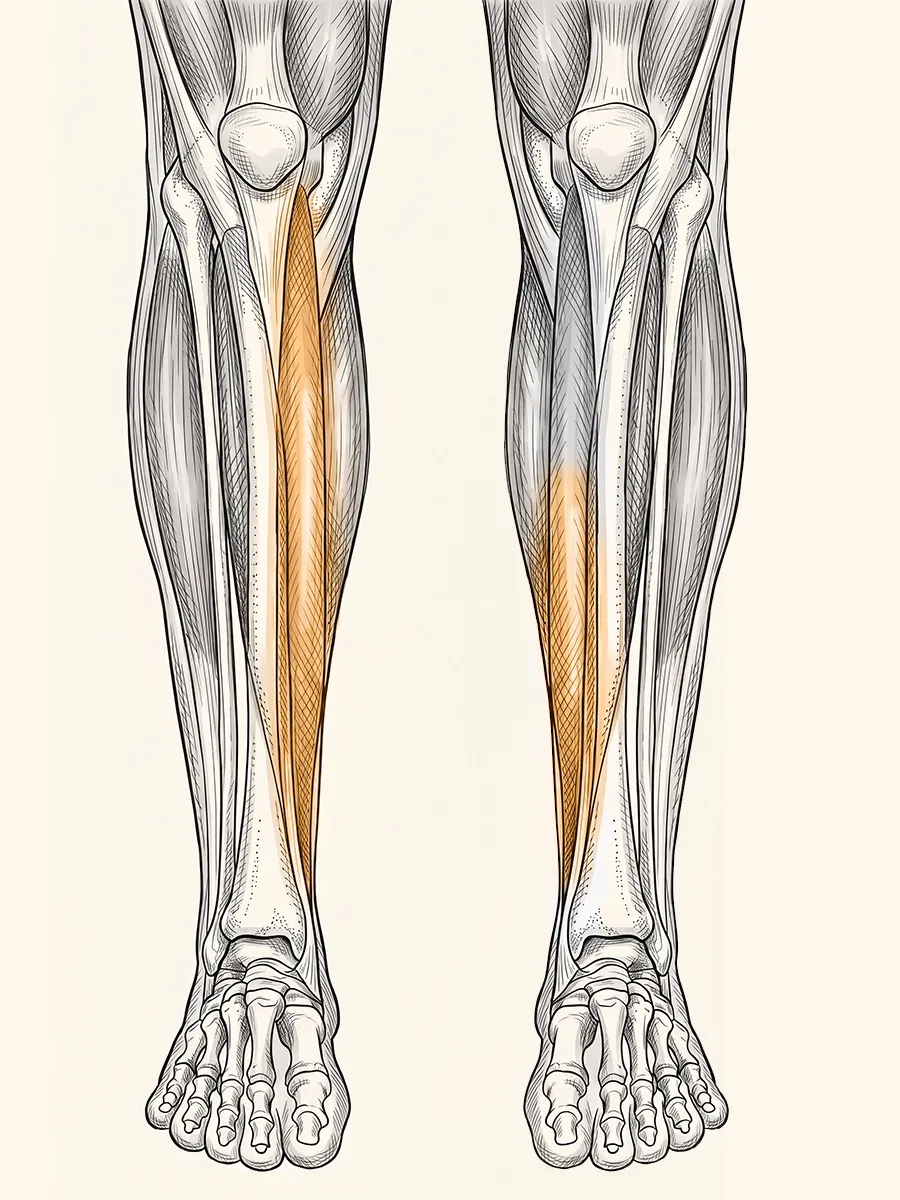
Shin splints are among the most common running- and exercise-related injuries we see at Masterton Foot Clinic. They typically cause pain around the shin during or after exercise and are particularly common in runners, people returning to activity, military recruits, and those participating in field and court sports.
At Masterton Foot Clinic, we focus on identifying why the shin is becoming overloaded and helping you return to activity safely while reducing the risk of recurrence.
What do we mean by "shin splints"?
"Shin splints" is a broad term commonly used to describe exercise-related pain affecting the shin rather than a specific diagnosis.
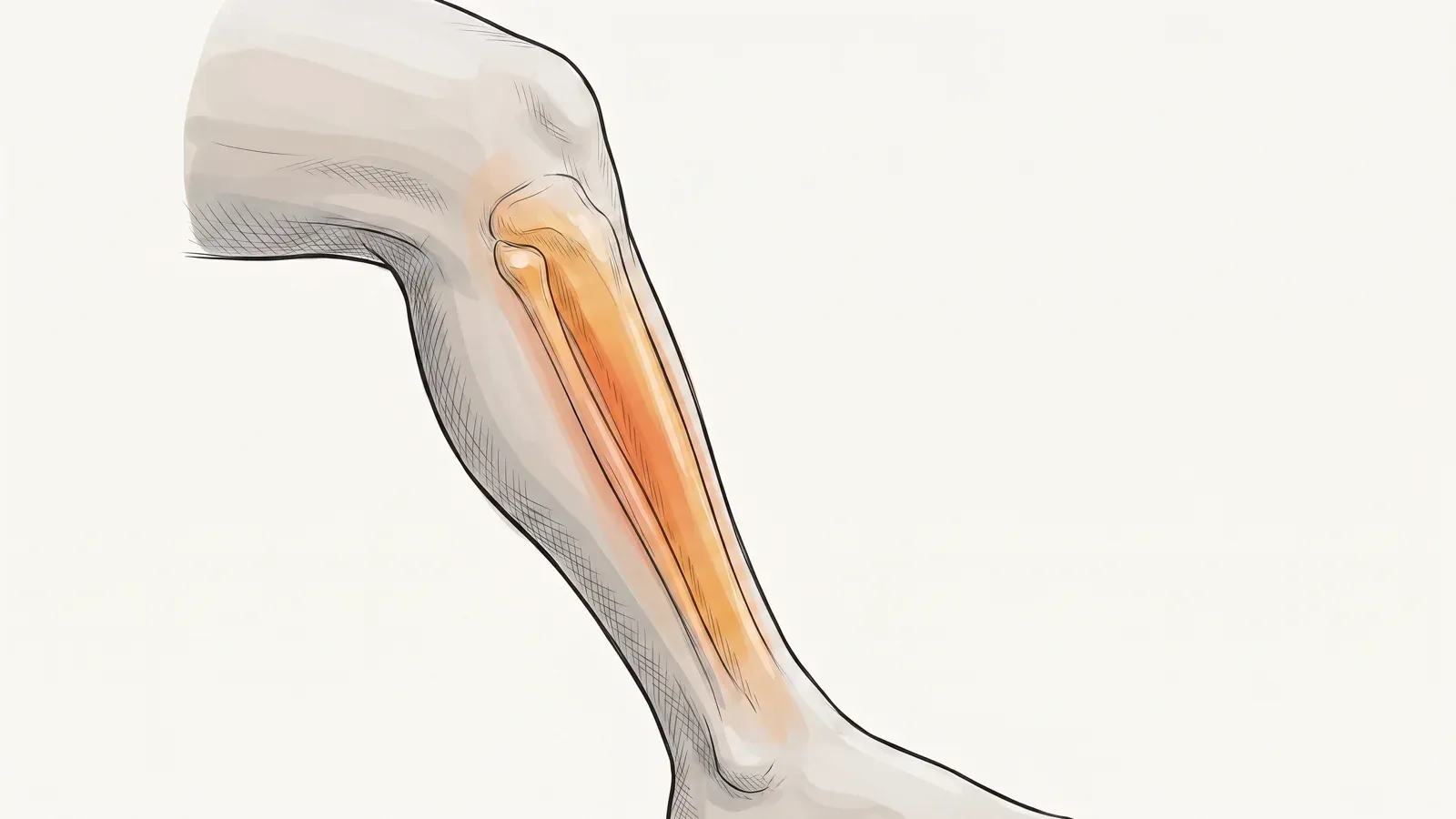
The most common cause is Medial Tibial Stress Syndrome (MTSS), which causes pain along the inside (medial border) of the shinbone. However, similar symptoms can also arise from the muscles and tissues in the anterior (front) or lateral (outer) compartments of the leg, particularly in runners and people participating in high-impact sports.
In some cases, shin pain may represent a more significant injury, such as a tibial stress fracture or chronic exertional compartment syndrome. A thorough assessment is therefore important to identify the true source of your symptoms and guide appropriate treatment.
At Masterton Foot Clinic, we don't assume every case of shin pain is MTSS. Our assessment is designed to determine exactly which structures are involved so that treatment can be tailored to your specific diagnosis.
Symptoms
Common symptoms include:
- Pain along the inside, front, or outside of the shin
- Pain during or after running or exercise
- Tenderness over the shin or surrounding muscles
- Pain that gradually worsens with increasing activity
- Symptoms affecting one or both legs
- Pain that settles with rest during the early stages
- Reduced ability to run, jump, or participate in sports
Causes
Shin splints usually develop when the bones, muscles, or connective tissues of the lower leg are repeatedly loaded beyond their ability to recover.
Common contributing factors include:
- Sudden increases in training volume or intensity
- Returning to sport too quickly
- Running on harder surfaces
- Inappropriate footwear
- Reduced calf strength
- Limited ankle mobility
- Foot and lower-limb biomechanics
- Muscle fatigue
- Inadequate recovery between training sessions
Your feet and lower legs work as one connected system. Almost every muscle in your lower leg attaches to the foot, meaning problems affecting one part of the chain often influence the others. Changes in foot mechanics, ankle mobility, muscle strength, or footwear can all alter the loads placed on the shin during walking and running.
Rather than simply treating where it hurts, we assess the entire lower limb to identify why the tissues have become overloaded and develop a treatment plan that addresses the underlying cause.
When to see a podiatrist
We recommend an assessment if:
- Pain persists despite reducing your activity
- Symptoms return every time you exercise
- Pain is affecting your training, work, or everyday walking
- Pain becomes increasingly localised to one small area of the shin
- You are concerned about the possibility of a stress fracture
Early assessment allows us to identify the underlying cause of the overload and determine whether further investigation or imaging is required.
As ACC-registered practitioners, we can also assess your injury and lodge an ACC claim where appropriate.
How we treat shin splints
At Masterton Foot Clinic, our Proven Process combines current evidence with extensive clinical experience.
Rather than simply advising rest, we identify the factors contributing to excessive loading and develop a treatment plan that allows you to recover while maintaining as much activity as possible.
Depending on your presentation, treatment may include:
- Activity and load management
- Running and movement assessment
- Strength and rehabilitation programmes
- Custom Foot Orthoses where appropriate
- Footwear assessment and advice
- Foot Mobilisation Therapy (FMT)
- Calf strengthening and mobility programmes
- Return-to-running planning
- Referral for imaging where a stress injury is suspected
Our goal is to reduce pain, improve tissue capacity, and help you return to running, work, and sport with confidence while reducing the likelihood of recurrence.
Book with our podiatrists
Choose the clinician you would like to see, or call us and we will match you with the right person.



Not sure who to see? Call us on 06 370 4057 and we will point you in the right direction.
Treatments available
Biomechanics & Gait
A comprehensive assessment of your walking and running mechanics to identify the factors contributing to excessive loading through the lower limb.
Learn moreCustom Foot Orthoses
Individually prescribed orthoses designed to improve lower-limb loading where appropriate and reduce stress through the affected tissues.
Learn moreFoot Mobilisation Therapy (FMT)
Hands-on treatment designed to improve foot and ankle mobility, where movement restrictions may be contributing to increased stress through the shin.
Learn moreStrength & Rehabilitation
Progressive exercise programmes designed to improve tissue capacity, strength, and resilience while reducing the risk of recurrence.
Frequently asked questions
Are all shin splints Medial Tibial Stress Syndrome (MTSS)?
Are shin splints the same as a stress fracture?
Can I keep running?
Will I need Custom Foot Orthoses?
Do I need an MRI?
How long does recovery take?
Related conditions
Patellofemoral Pain
Patellofemoral pain is one of the most common causes of pain around the front of the knee.
IT Band Syndrome
IT Band Syndrome is one of the most common causes of pain on the outer side of the knee.
Achilles Tendinopathy
Achilles tendinopathy is a common cause of pain, stiffness, and swelling at the back of the heel and ankle.
Sports Injuries & ACC Care
Comprehensive assessment and management of sporting and activity-related injuries.
Ready to get back on track?
Book online for the next available appointment, or call us to discuss your symptoms and training goals.
- ACC registered
- Southern Cross Easy-Claim available