
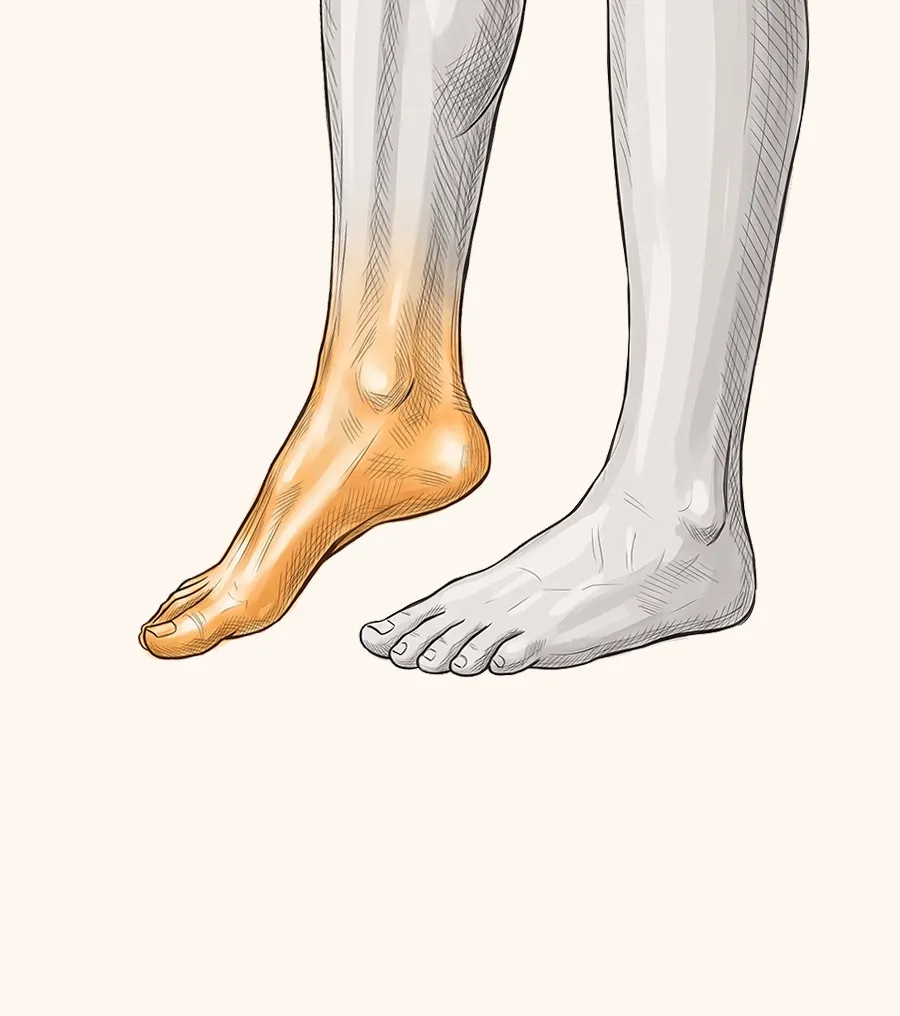
Foot Drop
Foot drop is a condition that makes it difficult to lift the front of the foot during walking. It can lead to tripping, falls, fatigue, and reduced confidence, affecting everything from walking around the supermarket to enjoying work, sport, travel, and everyday life.
At Masterton Foot Clinic, we work with people experiencing foot drop from a wide range of neurological, muscular, and orthopaedic conditions. Our goal is not simply to stop your toes catching the ground—it is to help you remain active, independent, and able to participate in the activities that matter most to you.
What is foot drop?
Foot drop is a walking pattern caused by weakness or paralysis of the muscles responsible for lifting the foot and toes.
Rather than being a diagnosis itself, foot drop is a sign that something has affected the nerves or muscles controlling ankle movement.
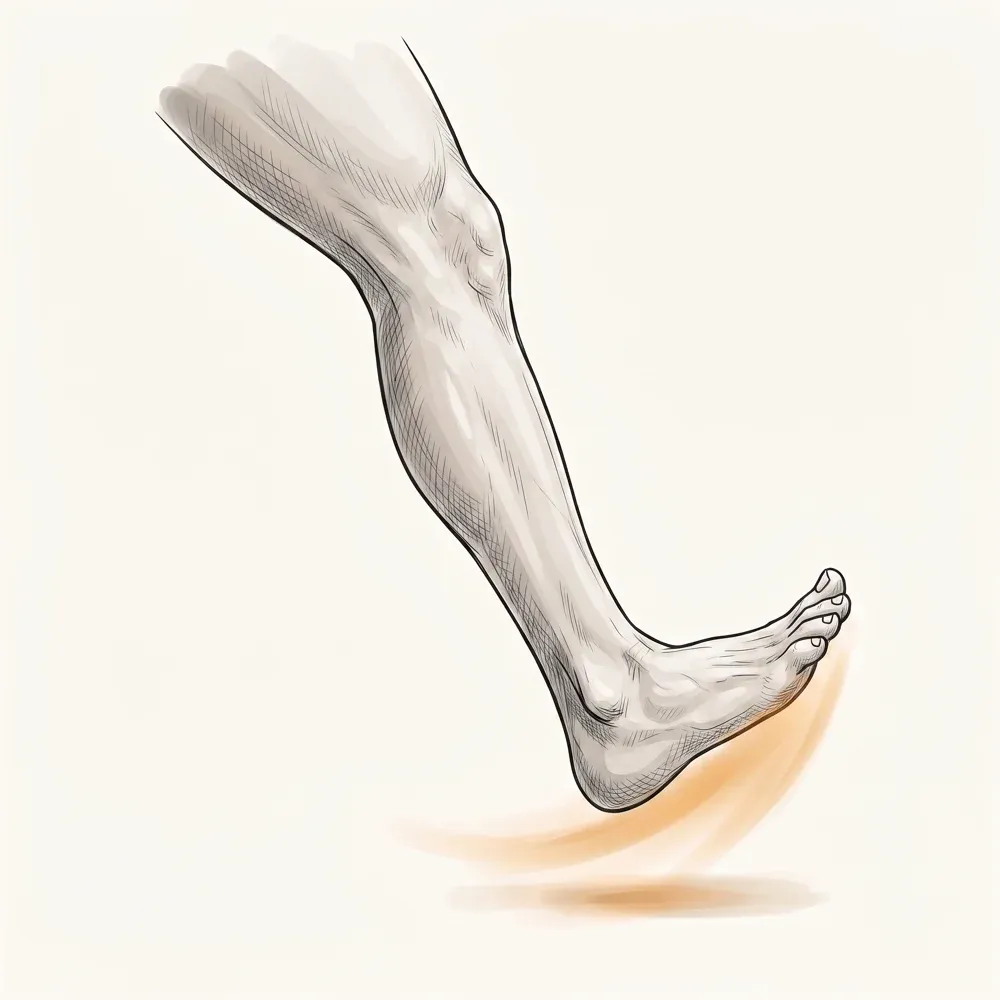
As a result, the toes may catch the ground during walking, increasing the effort required to walk and the risk of tripping or falling.
Symptoms
Common symptoms include:
- Difficulty lifting the front of the foot.
- Catching the toes while walking.
- Frequent tripping or stumbling.
- A high-stepping walking pattern.
- Difficulty walking on uneven ground.
- Fatigue during walking.
- Reduced balance and confidence.
- Increased risk of falls.
What causes foot drop?
Foot drop can develop for many different reasons.
Common causes include:
- Common peroneal nerve injury.
- Lumbar nerve compression or radiculopathy.
- Stroke.
- Multiple Sclerosis (MS).
- Charcot-Marie-Tooth disease (CMT).
- Peripheral neuropathy.
- Tendon injury or rupture.
- Trauma or surgery.
- Other neurological or neuromuscular conditions.
Because treatment depends on the underlying cause, identifying why foot drop has developed is an important part of your assessment.
Why early assessment matters
Foot drop is more than simply a difficulty lifting your foot—it is a sign that something has affected the nerves or muscles controlling your ankle and toes.
For many people, foot drop develops as part of an already diagnosed condition. For others, it may be the first sign of an underlying neurological or musculoskeletal problem.
Although uncommon, some causes require urgent medical assessment. New foot drop associated with severe back pain, changes in bladder or bowel function, numbness around the groin or buttocks, or rapidly worsening weakness should always be assessed urgently.
One of our most important roles is identifying when further investigation or referral is required, while helping those with longer-term conditions maximise their mobility and independence.
How foot drop affects movement
Your feet and legs work as one connected system.
Almost every muscle in the lower leg attaches to the foot, helping to control walking, balance, and stability. When these muscles become weak, the effects are seen throughout the lower limb, influencing walking efficiency, energy expenditure, confidence, and falls risk.
Rather than focusing solely on the foot, we assess how your entire lower limb functions to determine the most appropriate management plan.
How we assess foot drop
Every person presents differently.
Our assessment may include:
- Walking and gait assessment.
- Muscle strength testing.
- Neurological screening.
- Joint range of motion.
- Balance assessment.
- Footwear assessment.
- Review of previous investigations or imaging.
- Communication with your GP, neurologist, physiotherapist, occupational therapist, or rehabilitation team, where appropriate.
This allows us to identify the underlying cause, recognise situations requiring further investigation, and recommend the most appropriate management strategy.
How we treat foot drop
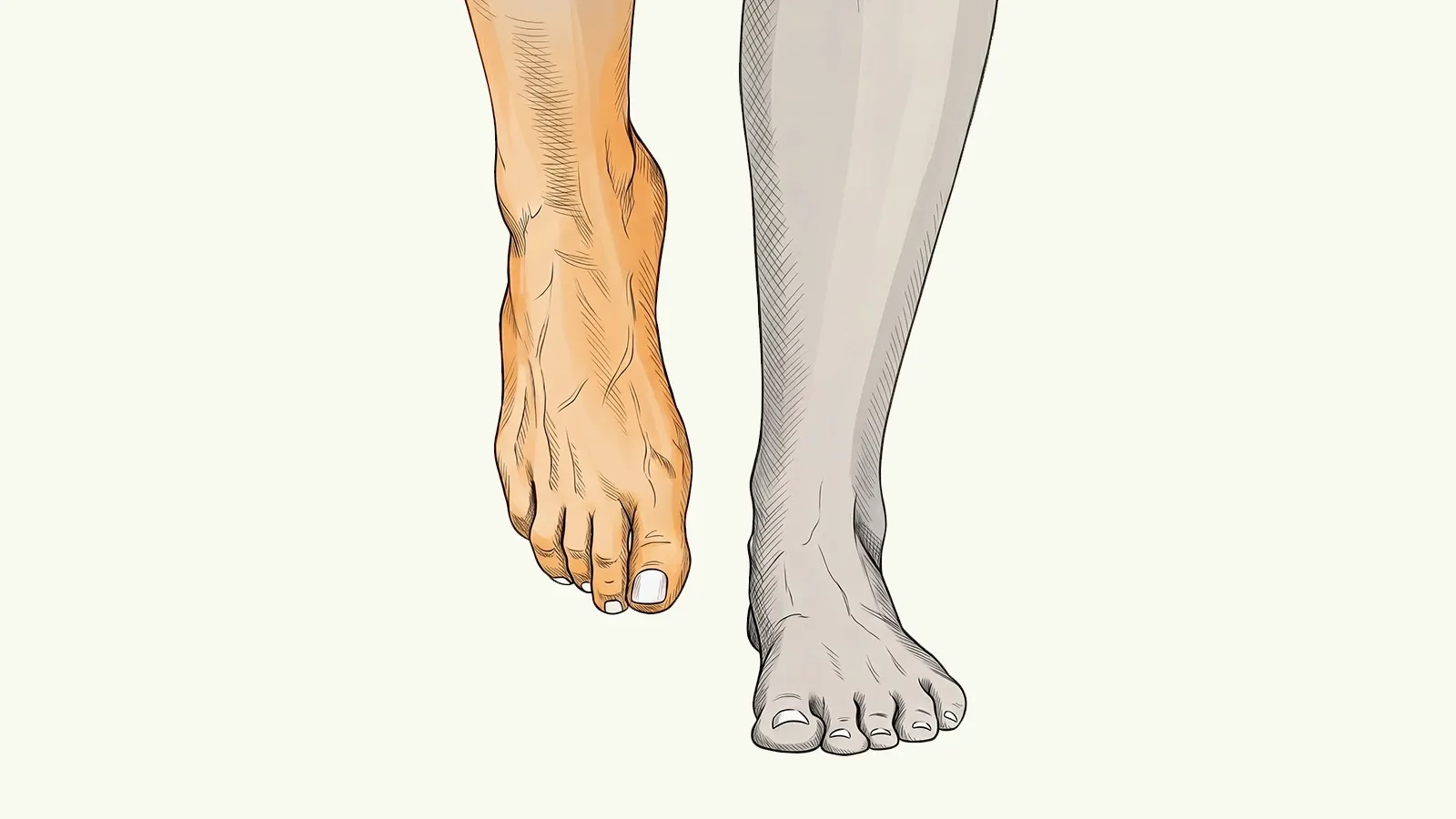
Treatment depends on the underlying cause, your lifestyle, and your goals.
Our philosophy is simple: prescribe the least restrictive device that provides meaningful improvement in safety, mobility, and independence.
Depending on your presentation, treatment may include:
- Education and advice.
- Footwear recommendations.
- Foot Mobilisation Therapy (FMT), where appropriate.
- Custom Foot Orthoses for selected presentations.
- Foot drop assist devices.
- Carbon fibre AFOs.
- External AFO systems.
- Articulated AFOs.
- Custom-made AFOs.
- Referral for further neurological or orthopaedic assessment where appropriate.
We regularly work alongside physiotherapists, occupational therapists, neurologists, rehabilitation specialists, and orthopaedic teams to ensure your care is coordinated and tailored to your individual needs.
Book with our podiatrists
Choose the clinician you would like to see, or call us and we will match you with the right person.



Not sure who to see? Call us on 06 370 4057 and we will point you in the right direction.
Treatments available
Ankle-Foot Orthoses (AFOs)
A range of modern bracing solutions designed to improve foot clearance, walking efficiency, stability, and confidence.
Learn moreBiomechanics & Gait
A comprehensive assessment of your walking pattern to identify factors affecting your mobility and safety.
Learn moreCustom Foot Orthoses
Where clinically indicated, Custom Foot Orthoses may complement your overall management by improving foot function and comfort.
Learn moreFrequently asked questions
Will foot drop recover?
Will I need an AFO?
Will wearing an AFO weaken my muscles?
Will I always need the same device?
Can I still exercise?
Helping you stay mobile and independent
Book online for the next available appointment, or call us to discuss your needs.
- ACC registered
- Southern Cross Easy-Claim available