
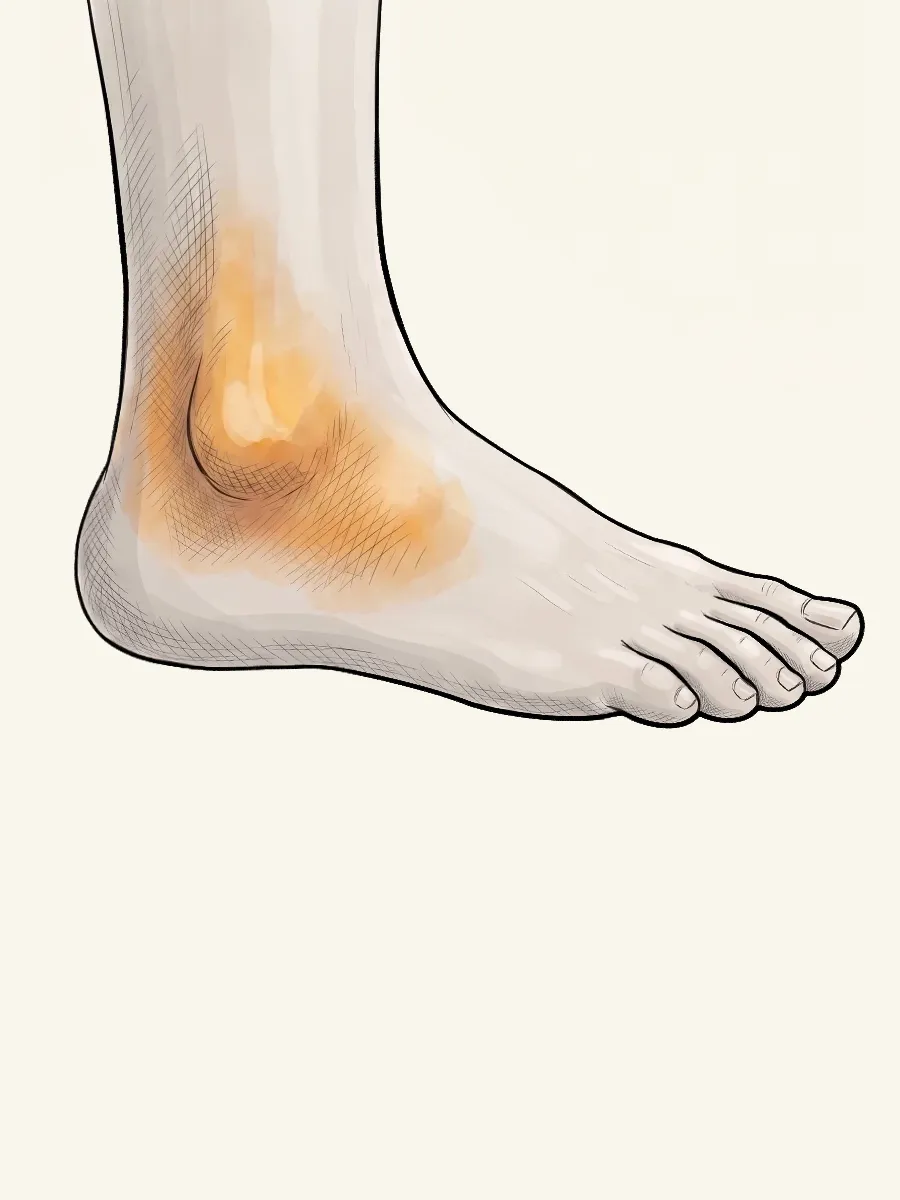
Ankle Sprains
Ankle sprains are one of the most common sporting and everyday injuries we assess and manage at Masterton Foot Clinic. They occur when the ligaments supporting your ankle are stretched or torn, commonly after rolling or twisting the ankle.
What is an ankle sprain?
An ankle sprain occurs when the ligaments supporting your ankle are overloaded and injured. Most ankle sprains involve the lateral (outside) ankle ligaments.
While many ankle sprains improve with time, poorly rehabilitated sprains can lead to ongoing instability, weakness, reduced confidence, recurrent injuries, and long-term joint problems.
Research suggests that many people continue to experience symptoms long after their initial injury, particularly when strength, balance, and movement control are not fully restored.
Symptoms
- Pain or tenderness around the ankle
- Swelling and bruising
- Difficulty walking or bearing weight
- Reduced ankle movement
- Instability or a feeling of the ankle "giving way"
- Pain during sport, walking, or on uneven ground
Causes
Ankle sprains commonly occur during sport, when walking on uneven ground, when stepping awkwardly, or when landing from a jump.
They may also occur more easily in people with:
- A history of ankle injuries
- Reduced balance
- Poor proprioception
- Limited ankle mobility
- Weakness in the foot and lower limb
- Altered lower-limb biomechanics
Because your feet form the foundation of movement, the way your feet and lower limbs function can influence ankle stability, loading, and injury risk.
When to see a podiatrist
You should consider an assessment if:
- You are unable to comfortably bear weight
- Swelling or bruising is significant
- Your ankle feels unstable
- You have repeated ankle sprains
- Your symptoms are not improving over the first few days
- You are unsure whether imaging is needed
Early assessment and rehabilitation can help reduce the risk of chronic instability and future re-injury.
As ACC-registered practitioners, we can also help assess your injury and, where appropriate, register an ACC claim.
How we treat ankle sprains
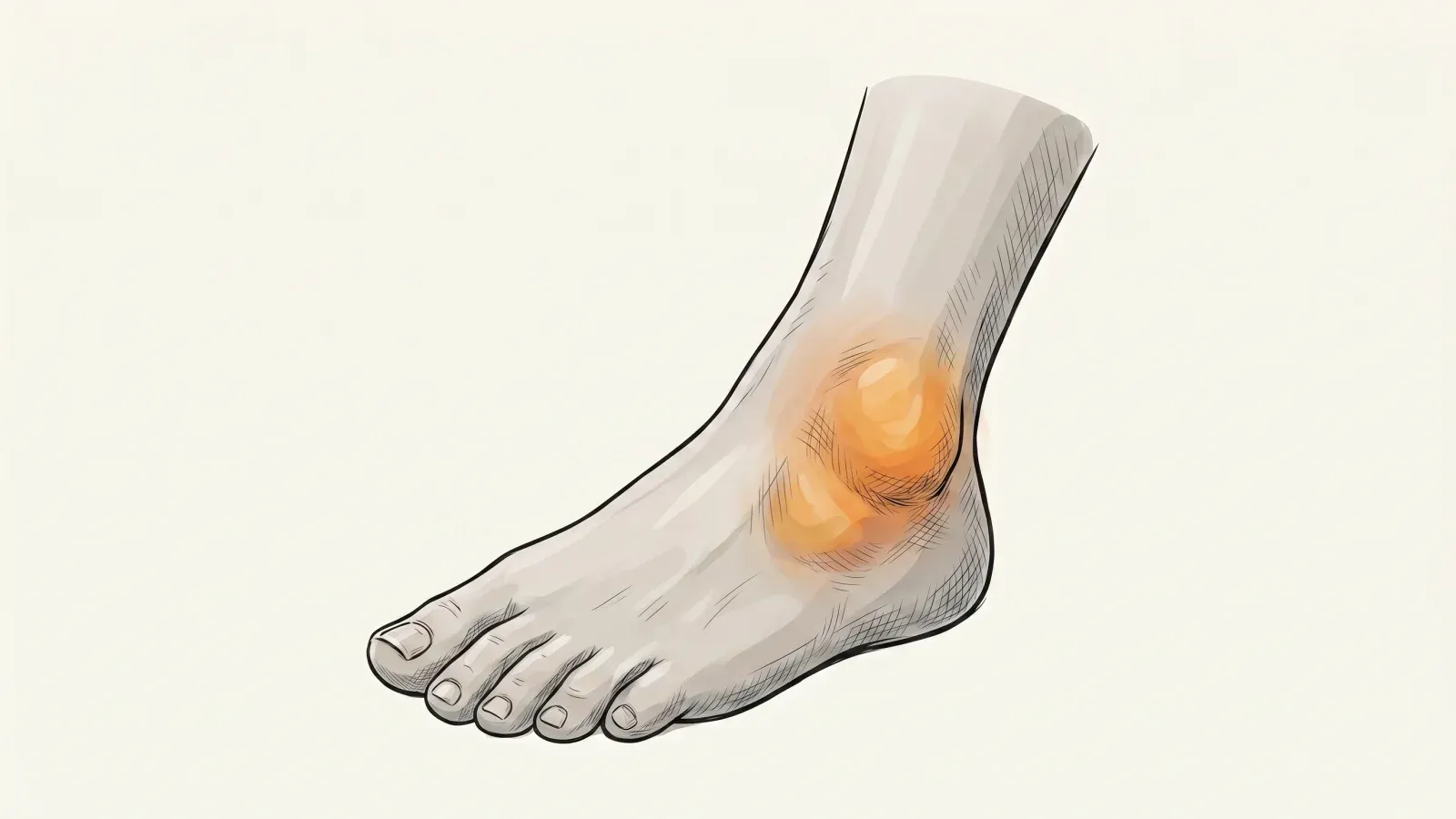
At Masterton Foot Clinic, our Proven Process combines the latest evidence with extensive clinical experience.
Our focus is not only on reducing pain and swelling but also on restoring strength, balance, mobility, confidence, and long-term ankle stability.
We begin by assessing the severity of your injury and screening for conditions that may require additional investigation, including fractures, syndesmosis ("high ankle") injuries, tendon injuries, and other causes of persistent ankle pain.
Treatment is then tailored to your injury, goals, lifestyle, work demands, and sporting activities.
Depending on your presentation, treatment may include:
- Functional rehabilitation and strengthening
- Balance and proprioception training
- Ankle bracing or taping
- EXO-L ankle bracing where appropriate
- Foot Mobilisation Therapy (FMT)
- Footwear advice
- Orthotics where appropriate
- Load management strategies
- Graded return-to-sport planning
- Prevention strategies to reduce recurrence
Our goal is not simply to help your ankle heal, but to help it function confidently and reliably long after the injury has settled.
Book with our podiatrists
Choose the clinician you would like to see, or call us and we will match you with the right person.



Not sure who to see? Call us on 06 370 4057 and we will point you in the right direction.
Treatments available
Biomechanics & Gait
A detailed assessment of how your feet, legs, and body move and function — helping us identify the factors contributing to pain, instability, injury, or reduced performance.
Learn moreOrthotics & Bracing
Custom orthotic and bracing solutions designed to improve ankle stability, reduce overload, support recovery, and help you move with greater confidence.
Learn moreRehabilitation & Strength Programmes
Progressive rehabilitation designed to restore ankle strength, balance, proprioception, movement control, and confidence after injury.
EXO-L Ankle Bracing
A specialist external ankle bracing system designed to provide strong support for patients with recurrent ankle sprains, instability, or high sporting demands.
Foot Mobilisation Therapy (FMT)
Hands-on treatment designed to improve foot and ankle mobility, movement efficiency, and lower limb function where stiffness or restricted movement may be contributing to instability or altered loading.
Learn moreFrequently asked questions
Should I walk on a sprained ankle?
How long until I can play sports again?
Will I need a brace?
Can ankle sprains cause long-term problems?
Do I need an X-ray or scan?
Related conditions
Achilles Tendinopathy
Achilles tendinopathy is a common cause of pain, stiffness, and swelling at the back of the heel and ankle.
Plantar Fasciitis
Plantar heel pain is one of the most common conditions we assess and manage at Masterton Foot Clinic.
Sports Injuries & ACC Care
Comprehensive assessment and management of sporting and activity-related injuries.
Heel & Ankle Pain
Helping you identify the cause of heel and ankle pain, reduce symptoms, restore movement, and return to the activities you enjoy.
Ready to strengthen your ankle?
Book online for the next available appointment, or call us to discuss your injury and recovery goals. As ACC-registered practitioners, we can help assess your injury and lodge ACC claims where appropriate.
- ACC registered
- Southern Cross Easy-Claim available