IT Band Syndrome
IT Band Syndrome is one of the most common causes of pain on the outer side of the knee, particularly in runners, cyclists, trampers, and other active people. It typically develops gradually and may begin as a mild irritation before progressing to pain that limits exercise and everyday activities.
At Masterton Foot Clinic, we focus on identifying why the tissues on the outside of the knee are becoming overloaded and helping you return to activity while reducing the risk of recurrence.
What is IT Band Syndrome?
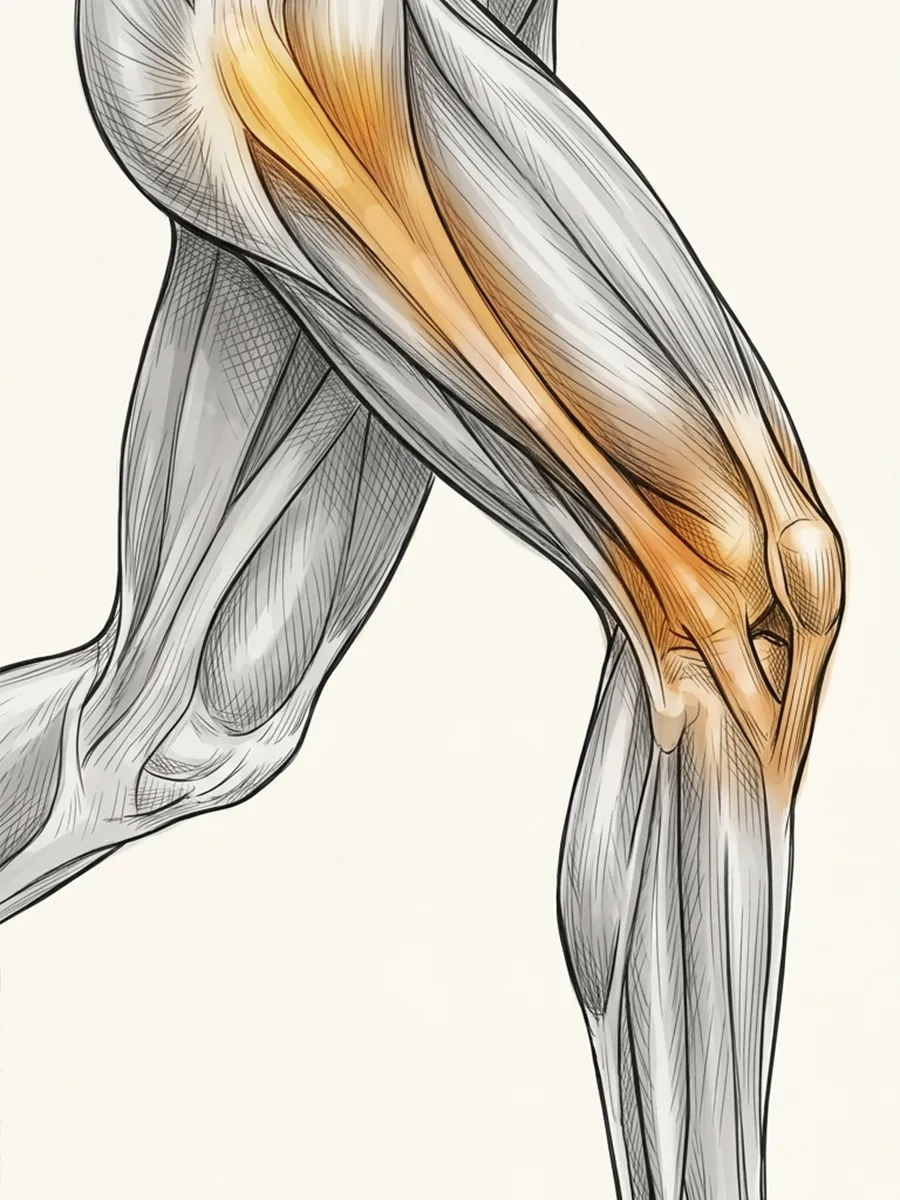
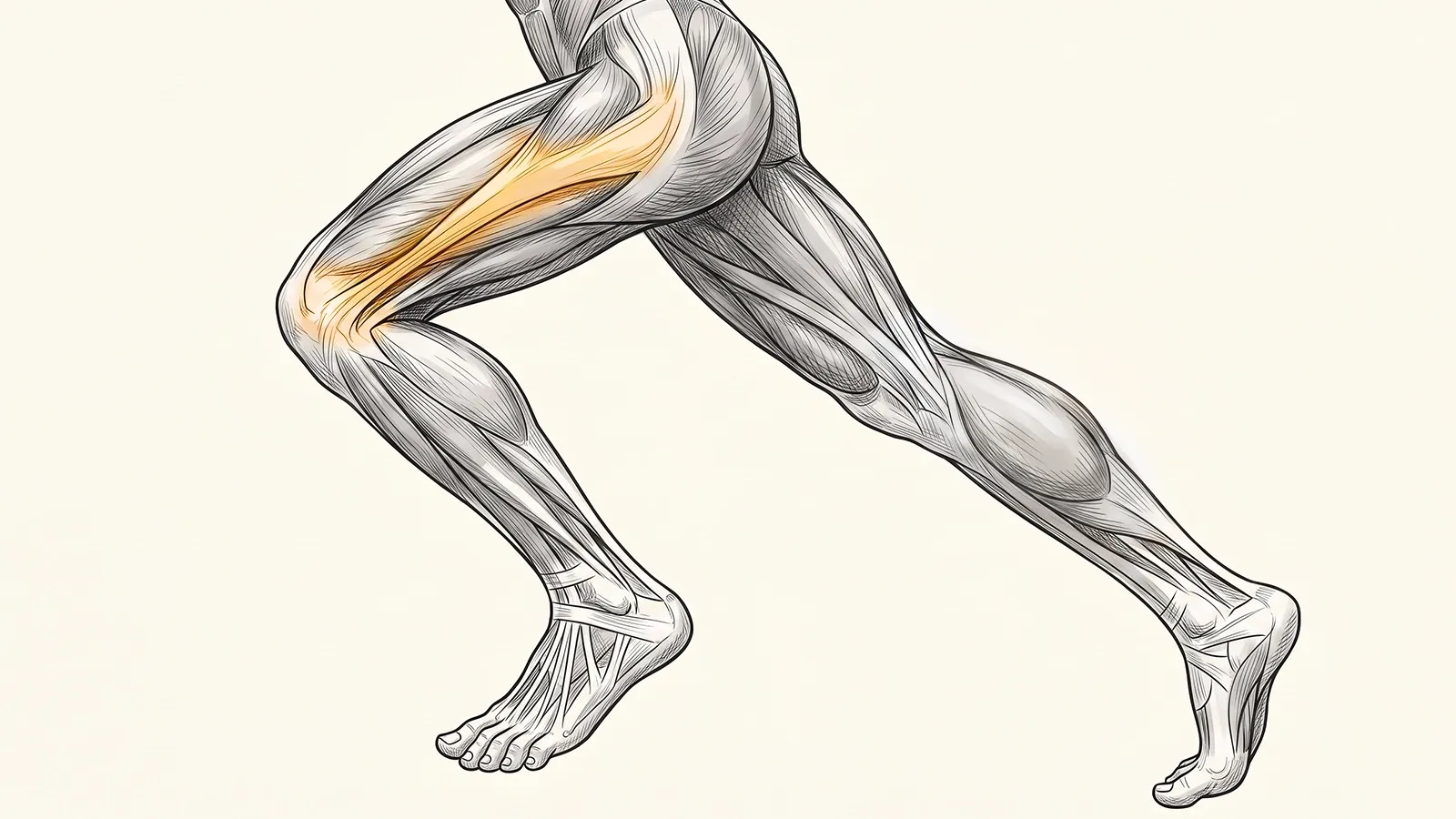
The iliotibial band (IT band) is a thick band of connective tissue that runs from the outside of the hip to just below the knee.
IT Band Syndrome occurs when the tissues around the lower part of the IT band become overloaded, resulting in pain on the outside of the knee.
Although the condition was once thought to be caused primarily by friction, current evidence suggests that excessive compression and loading of the tissues beneath the IT band are likely to play a more important role.
Symptoms
Common symptoms include:
- Pain on the outside of the knee
- Pain that develops during running or cycling
- Symptoms that worsen with increasing distance or activity
- Pain when walking downhill or descending stairs
- Tenderness over the outside of the knee
- Reduced ability to run or participate in sports
Causes
IT Band Syndrome usually develops when the tissues around the outside of the knee are repeatedly loaded beyond their capacity to recover.
Common contributing factors include:
- Sudden increases in training volume or intensity
- Running downhill
- Cambered running surfaces
- Cycling biomechanics
- Reduced hip and gluteal strength
- Foot and lower-limb biomechanics
- Limited ankle mobility
- Inappropriate footwear
- Inadequate recovery
Your feet and lower limbs function as a single, integrated system. Almost every muscle in your lower leg attaches to the foot, while the muscles around your hip, knee, and ankle work together to control movement.
Changes in foot mechanics, ankle mobility, muscle strength, or walking and running patterns can affect the loads transmitted through the outer aspect of the knee.
Rather than simply treating where it hurts, we assess the entire lower limb to identify why the tissues have become overloaded and develop a treatment plan that addresses the underlying cause.
When to see a podiatrist
We recommend an assessment if:
- Pain is limiting your running or cycling
- Symptoms return whenever you increase your training
- Pain is affecting work or everyday activities
- Symptoms are becoming progressively worse
- Rest alone does not solve the problem
Early assessment often allows contributing factors to be identified before the condition becomes persistent.
As ACC-registered practitioners, we can also assess your injury and lodge an ACC claim where appropriate.
How we treat IT Band Syndrome
At Masterton Foot Clinic, our Proven Process combines current evidence with extensive clinical experience.
Rather than simply treating the painful area, we identify the factors contributing to excessive loading and develop a treatment plan tailored to your goals and activity levels.
Depending on your presentation, treatment may include:
- Running and movement assessment
- Activity and load management
- Strength and rehabilitation programmes
- Custom Foot Orthoses where appropriate
- Footwear assessment and advice
- Foot Mobilisation Therapy (FMT)
- Hip and lower-limb strengthening programmes
- Return-to-running planning
Our goal is to reduce pain, improve tissue capacity, and help you return to running, work, and sport while reducing the risk of recurrence.
Book with our podiatrists
Choose the clinician you would like to see, or call us and we will match you with the right person.



Not sure who to see? Call us on 06 370 4057 and we will point you in the right direction.
Treatments available
Biomechanics & Gait
A comprehensive assessment of walking and running mechanics to identify the factors contributing to excessive loading through the lower limb.
Learn moreCustom Foot Orthoses
Individually prescribed orthoses designed to improve lower-limb loading where appropriate.
Learn moreFoot Mobilisation Therapy (FMT)
Hands-on treatment designed to improve foot and ankle mobility where movement restrictions may be contributing to altered loading patterns.
Learn moreStrength & Rehabilitation
Progressive rehabilitation programmes designed to improve strength, movement control, and long-term resilience.
Frequently asked questions
Should I stretch my IT band?
Can I keep running?
Will I need Custom Foot Orthoses?
How long does recovery take?
Can IT Band Syndrome come back?
Related conditions
Patellofemoral Pain
Patellofemoral pain is one of the most common causes of pain around the front of the knee.
Shin Splints
Shin splints are among the most common running- and exercise-related injuries we see at Masterton Foot Clinic.
Knee Osteoarthritis
Knee osteoarthritis is one of the most common causes of knee pain and disability.
Sports Injuries & ACC Care
Comprehensive assessment and management of sporting and activity-related injuries.
Ready to get back to running?
Book online for the next available appointment, or call us to discuss your symptoms and goals.
- ACC registered
- Southern Cross Easy-Claim available