
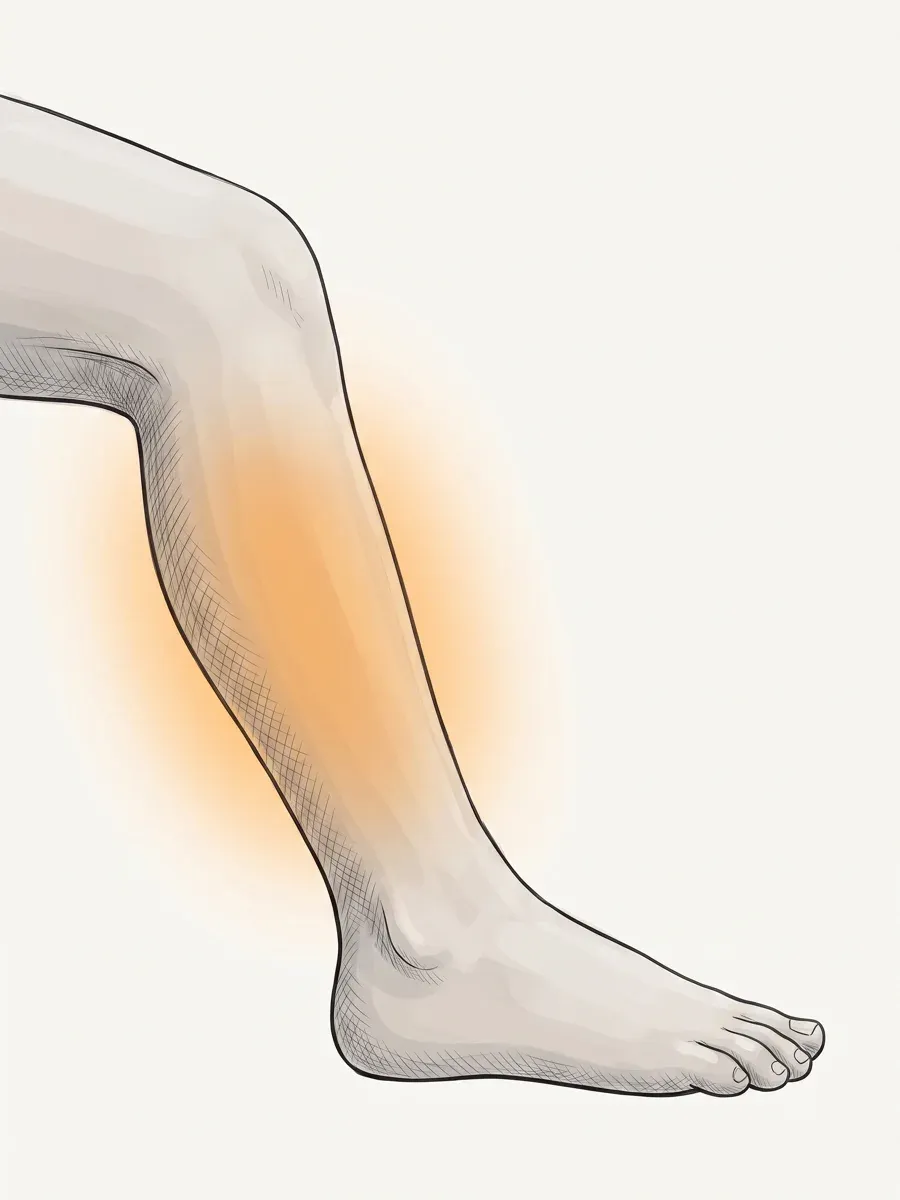
Growing Pains
Growing pains are one of the most common reasons children complain of leg pain. They can be worrying for parents, particularly when they occur repeatedly or wake a child during the night.
At Masterton Foot Clinic, our role is to determine whether your child's symptoms are consistent with typical growing pains or with another condition contributing to their discomfort.
What are growing pains?
Growing pains describe a common pattern of intermittent leg pain that usually affects children between the ages of approximately 3 and 12 years.
Despite the name, growing pains are not thought to be caused directly by growth itself.
At the time of writing, the exact cause of growing pains remains unknown. Current evidence suggests they are likely to result from a combination of factors rather than a single underlying problem. Researchers have proposed several possible contributors, including muscle fatigue following activity, differences in pain sensitivity, lower-limb biomechanics, bone strength, vitamin D status, and individual developmental factors. It is likely that different factors contribute in different children.
Growing pains are considered a diagnosis of exclusion, meaning other causes of leg pain should be considered first when symptoms are unusual or concerning.
Symptoms
Typical growing pains often:
- Affect both legs.
- Occur in the calves, thighs, shins, or behind the knees.
- Develop later in the day or during the evening.
- May wake a child during the night.
- Improve by the following morning.
- Occur intermittently rather than every day.
- Improve with massage, comfort, or simple pain relief.
Children are usually otherwise well and remain active between episodes.
When might it be something else?
Although growing pains are common, not every child with leg pain has growing pains.
We recommend an assessment if your child has:
- Pain affecting only one leg.
- Persistent daytime pain.
- Swelling, redness, or warmth.
- Limping.
- Pain associated with fever or feeling generally unwell.
- Ongoing joint stiffness.
- Progressive worsening of symptoms.
- Pain following an injury.
- Pain that limits normal activity or participation in sport.
These features may indicate another condition that requires further assessment.
How can foot function influence leg pain?
Your child's feet and legs work as one connected system.
Almost every muscle in the lower leg attaches to the foot, helping to control walking, running, jumping, and balance. The foot, ankle, knee, and hip all work together to absorb and generate forces during movement.
At the time of writing, there is limited evidence that lower-limb biomechanics may contribute to symptoms in some children, but it is not thought to explain all cases of growing pains.
However, if a child has persistent lower-limb pain, fatigue, tripping, reduced participation, or abnormal movement patterns, assessing the entire lower limb may help identify factors contributing to their symptoms.
Rather than simply treating where it hurts, we assess how your child moves to determine whether any mechanical factors are contributing to their discomfort and whether treatment is likely to provide meaningful benefit.
How we assess growing pains
Every child is different.
Our assessment may include:
- Walking and running assessment.
- Foot posture assessment.
- Muscle strength.
- Joint mobility.
- Balance and coordination.
- Footwear assessment.
- Functional testing appropriate for your child's age.
- Screening for signs that may indicate another diagnosis.
This allows us to determine whether your child's symptoms are consistent with typical growing pains or whether another condition is more likely to be responsible.
How we manage growing pains
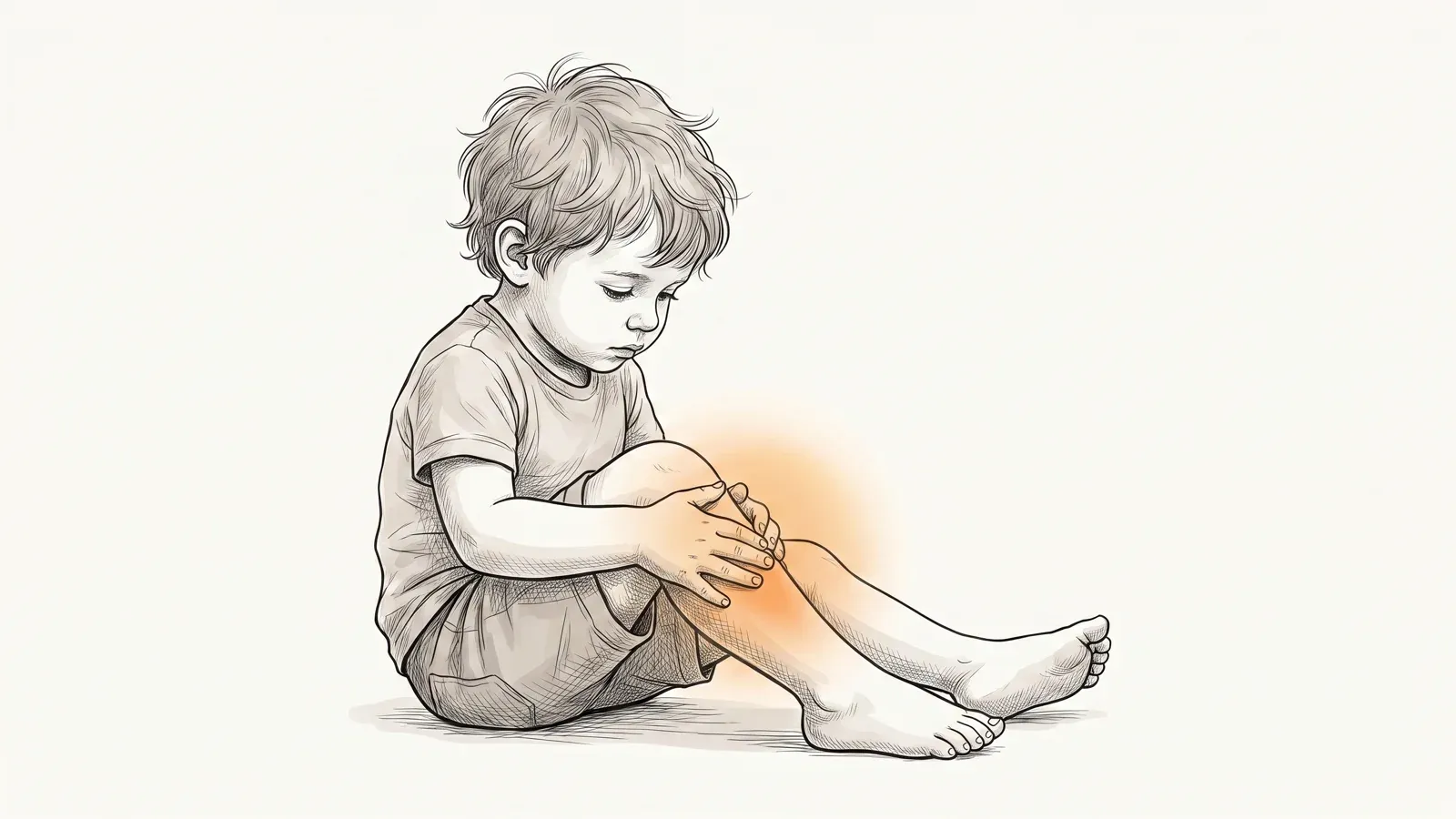
At the time of writing, the best available evidence suggests that education, reassurance, and appropriate activity remain the cornerstone of management for children with typical growing pains.
When treatment is appropriate, our goal is to improve comfort, confidence, and participation while identifying and addressing any contributing factors that may be influencing your child's symptoms.
Depending on your child's presentation, management may include:
- Education and reassurance.
- Activity advice.
- Stretching and strengthening exercises.
- Footwear advice.
- Massage or heat therapy.
- Foot Mobilisation Therapy (FMT), where clinically indicated.
- Custom foot orthoses where clinically indicated to address contributing biomechanical factors.
- Referral for further investigation where symptoms are atypical.
Treatment is always tailored to the individual child rather than the diagnosis alone.
Book with our podiatrists
Choose the clinician you would like to see, or call us and we will match you with the right person.


Not sure who to see? Call us on 06 370 4057 and we will point you in the right direction.
Treatments available
Biomechanics & Gait
A comprehensive assessment of your child's walking, running, movement patterns, and lower-limb function.
Learn moreCustom Foot Orthoses
Where clinically indicated, Custom Foot Orthoses may improve comfort and lower-limb function in children with contributing biomechanical factors.
Learn moreFoot Mobilisation Therapy (FMT)
Hands-on treatment that may be appropriate where joint movement restrictions are contributing to lower-limb discomfort.
Learn moreFrequently asked questions
Are growing pains really caused by growth?
Should my child stop playing sports?
Can flat feet cause growing pains?
When should I be worried?
Will my child outgrow growing pains?
Related conditions
Children's Flat Feet
Flat feet are one of the most common reasons parents bring their children to see us.
In-Toeing
In-toeing occurs when a child's feet point inward during walking or running.
Children's Foot & Leg Pain
Custom Foot Orthoses
Where clinically indicated, Custom Foot Orthoses may improve comfort and lower-limb function in children with contributing biomechanical factors.
Helping children stay active
If your child is experiencing recurring leg pain, we'd be happy to assess whether their symptoms are consistent with growing pains or whether another condition may be contributing.
- ACC registered
- Southern Cross Easy-Claim available