Ingrown Toenail Surgery
A safe and effective procedure designed to permanently treat recurring ingrown toenails and help you return to pain-free activity.
The problem
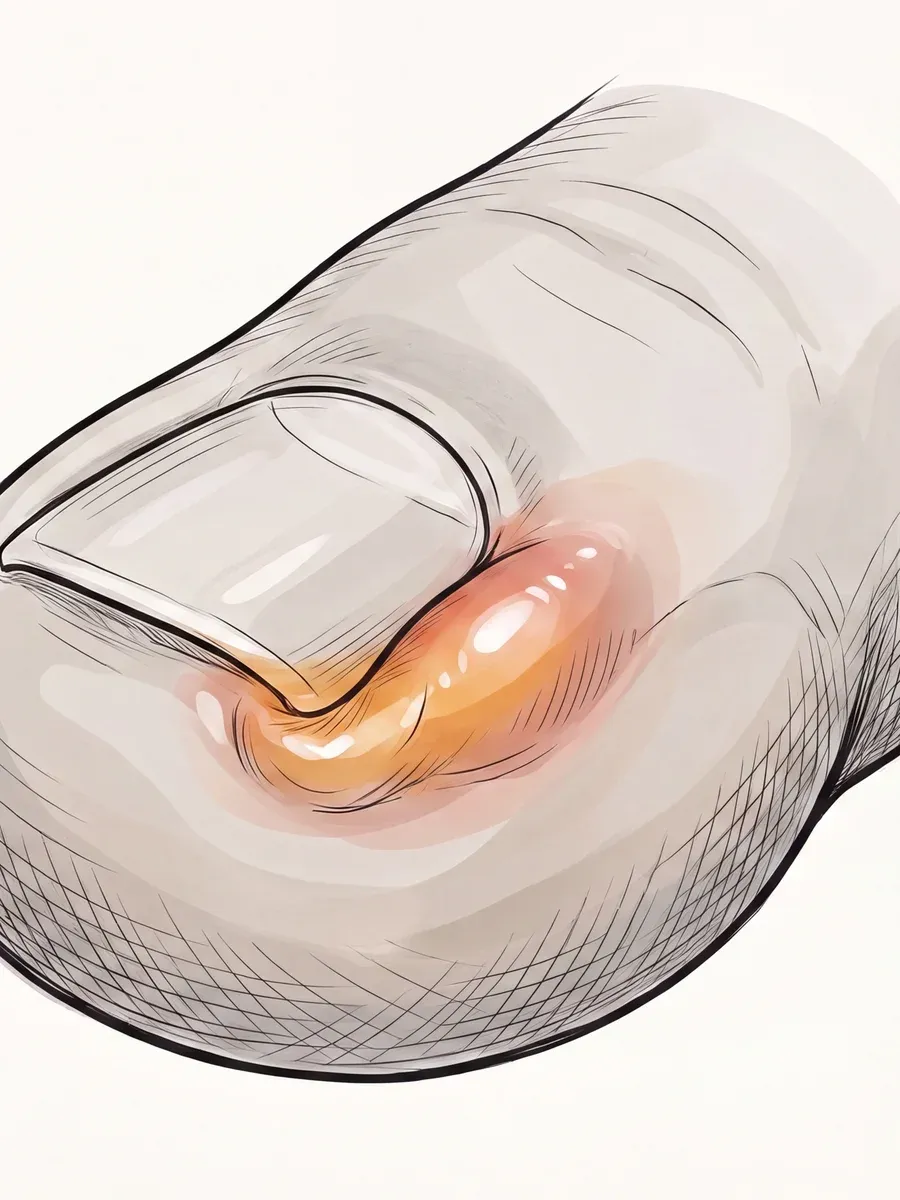
Ingrown toenails are one of the most common and painful conditions affecting the feet.
They occur when the edge of the nail grows into the surrounding skin, causing:
- Pain
- Redness
- Swelling
- Infection
- Difficulty wearing shoes
- Discomfort during sport, work, and everyday activities
Many people experience recurring episodes despite repeated attempts to trim the nail themselves or temporary treatment aimed at relieving symptoms.
When ingrown toenails continue to return, a permanent solution is often the most effective option.
How we treat it
Following assessment, we will discuss whether ingrown toenail surgery is appropriate for your situation.
The procedure is performed in our clinic under local anaesthetic, meaning the toe is completely numb during treatment while you remain awake.
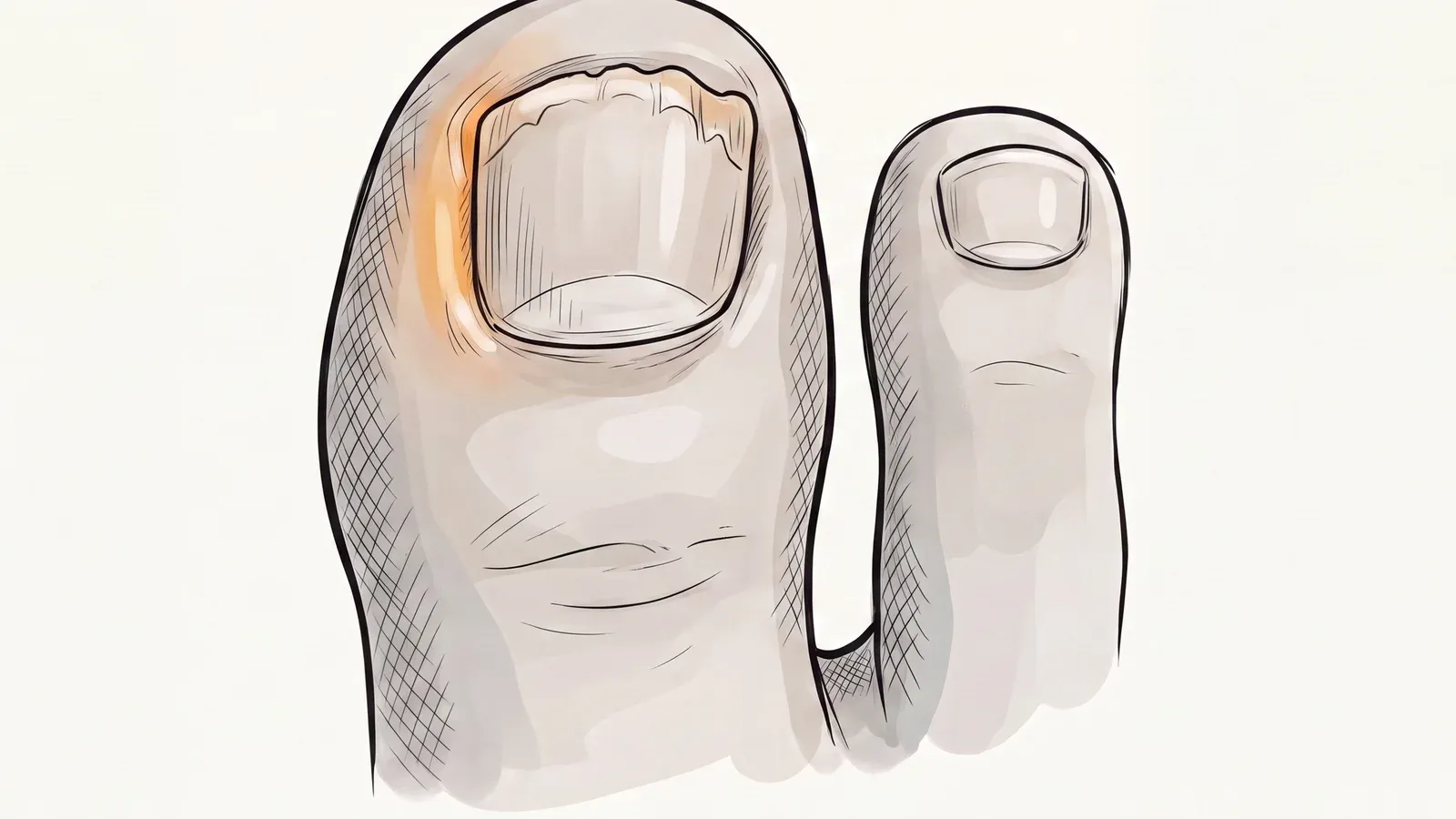
The most common procedure involves removing the offending edge of the nail while preserving the healthy portion of the nail. A chemical treatment is then applied to the nail matrix to help prevent that section of nail from regrowing.
Treatment typically involves:
- Assessment and diagnosis
- Local anaesthetic
- Partial nail removal
- Chemical matrix treatment
- Dressing application
- Post-operative care and follow-up
Most patients are pleasantly surprised by how comfortable the procedure is and how quickly they are able to return to normal daily activities.
While most people return to work, school, and normal day-to-day activities within a few days, complete healing of the surgical site may take 6–12 weeks.
Following chemical nail surgery, it is normal for the toe to weep or drain a clear, yellow, or blood-stained fluid for several weeks. This is part of the normal healing process and does not necessarily indicate infection.
Why Masterton Foot Clinic
Ingrown toenail surgery is one of the most commonly performed procedures within our clinic.
Our podiatrists have extensive experience assessing and treating ingrown toenails, from early-stage problems through to long-standing and recurrent cases.
Chemical nail surgery is one of the most effective long-term treatments available for recurring ingrown toenails, with success rates typically exceeding 95% in preventing regrowth of the treated nail edge. While no procedure can guarantee a permanent result, recurrence following chemical matrixectomy is uncommon.
We understand that many patients feel nervous about the idea of surgery. For this reason, we take time to explain the procedure, expected recovery, likely outcomes, and any potential risks before treatment proceeds.
All procedures are performed in a dedicated clinical environment using sterile instruments processed on-site through healthcare-grade sterilisation procedures.
Importantly, surgery is rarely our first recommendation. Where appropriate, we will always discuss conservative treatment options before considering a surgical solution.
When surgery is indicated, our focus is on achieving the best possible long-term outcome while helping you return to normal activities as quickly and safely as possible.
Book with our podiatrists
Choose the clinician you would like to see, or call us and we will match you with the right person.



Not sure who to see? Call us on 06 370 4057 and we will point you in the right direction.
You might also be interested in
Minor Surgery
Safe and effective in-clinic procedures designed to resolve painful or persistent foot conditions.
Skin & Nail Care
Professional foot care designed to maintain healthy feet and prevent recurring problems.
Neurovascular & Diabetic Foot Care
Assessment and management designed to help protect long-term foot health.
Frequently asked questions
Will the procedure hurt?
How successful is ingrown toenail surgery?
How long does recovery take?
Is it normal for the toe to weep after surgery?
When should I contact the clinic?
- Increasing redness spreading beyond the toe
- Increasing swelling
- Increasing pain after the first few days
- Thick yellow or green discharge
- Fever or feeling unwell
Will my nail look different afterwards?
Can the ingrown toenail come back?
Do I need a referral?
Related conditions
Ready to stop dealing with ingrown toenails?
Book online for the next available appointment, or call us to discuss your treatment options.
- ACC registered
- Southern Cross Easy-Claim available