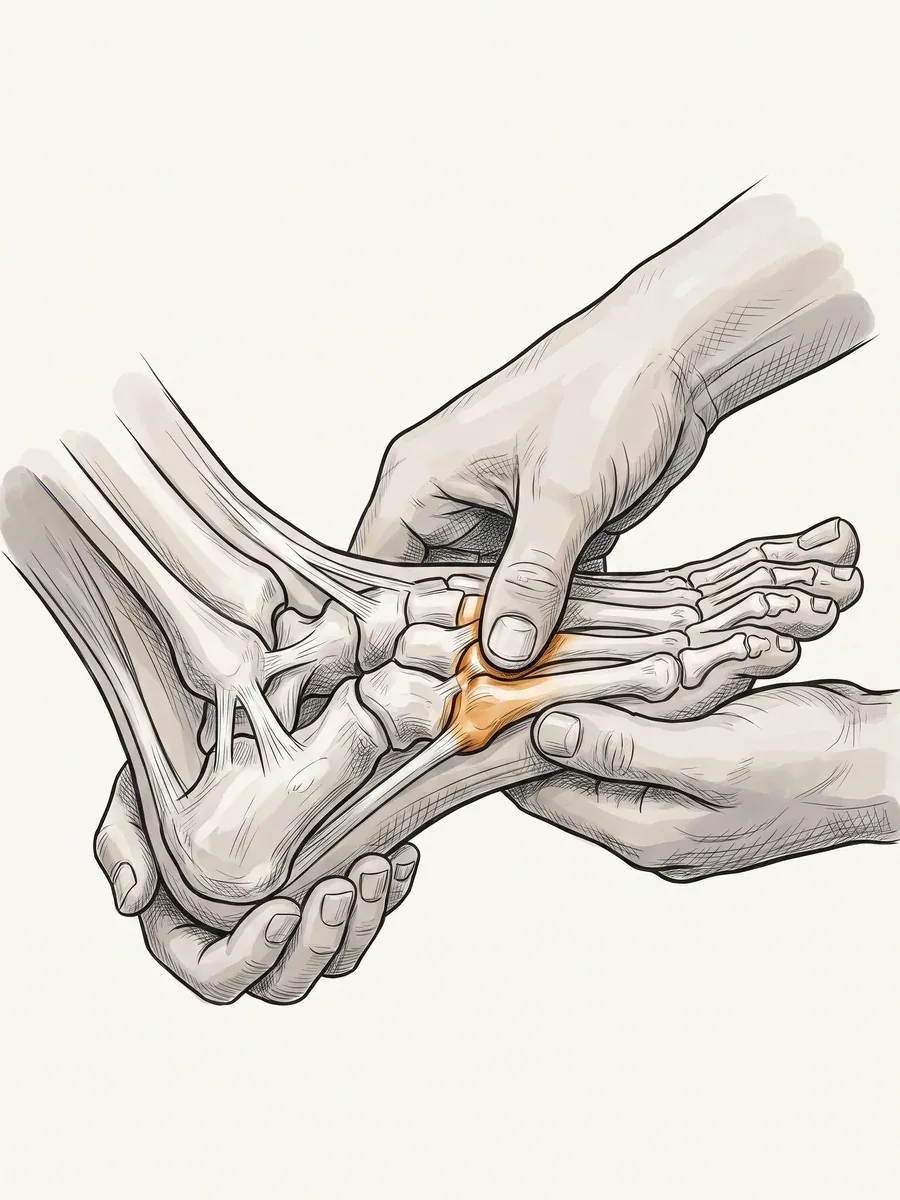
Foot Mobilisation Therapy (FMT)
A hands-on treatment designed to improve foot and ankle mobility, movement efficiency, and lower limb function where stiffness or restricted movement may be contributing to pain or injury.
The Problem
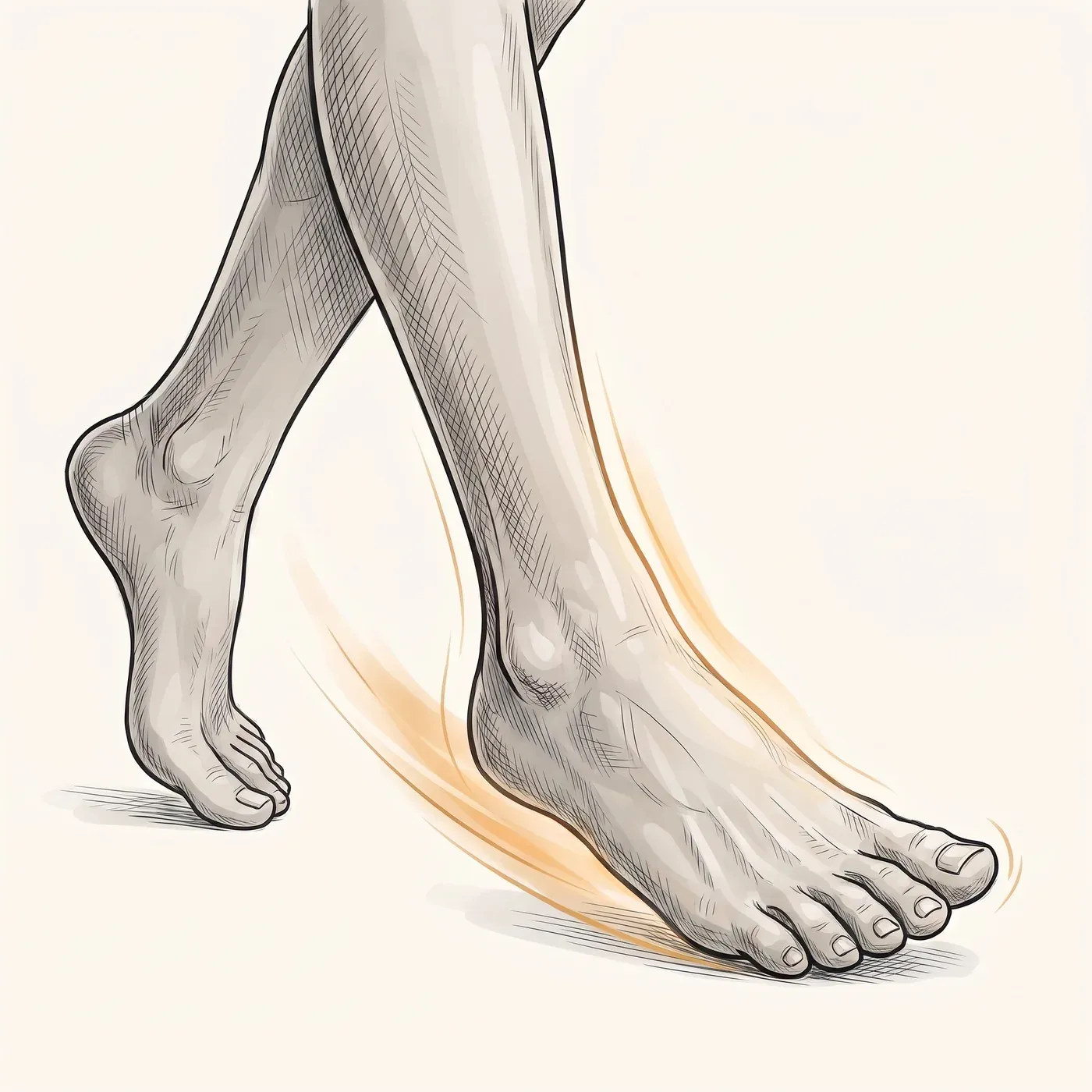
Our feet contain more than 30 joints that work together to absorb load, adapt to uneven surfaces, and help propel us forward during walking and running.
When joints become stiff or lose normal movement, the body often compensates elsewhere. Over time, these compensations may contribute to pain, altered loading patterns, reduced performance, and increased stress on muscles, tendons, and joints.
For some people, restricted foot and ankle movement may contribute to conditions such as plantar fasciitis, Achilles tendinopathy, forefoot pain, ankle stiffness, and certain overuse injuries.
The challenge is identifying when mobility restrictions are contributing to the problem and determining the most appropriate treatment approach.
How We Treat It
Foot Mobilisation Therapy (FMT) is a hands-on treatment approach that aims to improve the movement and function of joints within the foot and ankle.
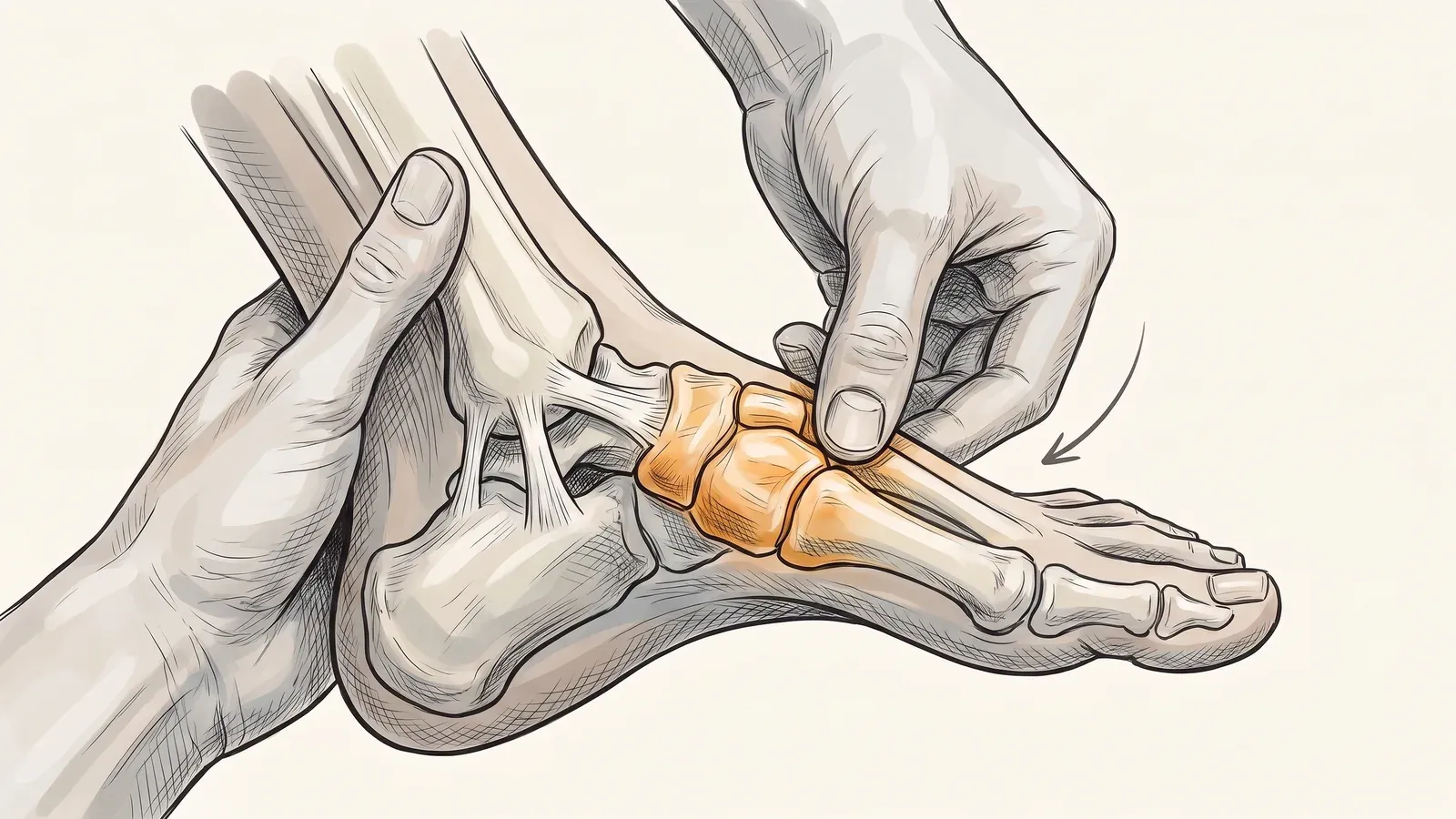
Following a comprehensive assessment, treatment may include:
- Joint mobilisation techniques
- Joint manipulation techniques
- Mobility exercises
- Movement retraining
- Footwear advice
- Strength and rehabilitation exercises
- Load management strategies
FMT is often used alongside other treatments rather than as a standalone intervention.
Where appropriate, it may be combined with:
- Strength & Rehabilitation Programs
- Footwear & Load Management
- Orthotic therapy
- Shockwave Therapy
- Biomechanical Assessment & Gait Analysis
Our goal is to improve movement quality, reduce unnecessary stress on tissues, and support long-term function and mobility.
Why Masterton Foot Clinic
Foot Mobilisation Therapy is a particular area of interest within our clinic.
Our clinicians have undertaken extensive postgraduate training in Foot Mobilisation Therapy and have integrated it into the management of a wide range of foot and lower-limb conditions.
Importantly, we do not view FMT as a standalone solution.
The best outcomes are often achieved when improved mobility is combined with appropriate strengthening, rehabilitation, footwear advice, and management of the factors that contributed to the problem in the first place.
Our focus is on helping people move more efficiently, remain active, and maintain long-term mobility and independence.
Whether your goal is to return to sport, remain comfortable at work, or simply walk more comfortably, treatment is tailored to your individual needs and goals.
Book with our podiatrists
Choose the clinician you would like to see, or call us and we will match you with the right person.



Not sure who to see? Call us on 06 370 4057 and we will point you in the right direction.
You Might Also Be Interested In
Biomechanical Assessment & Gait Analysis
A comprehensive assessment of movement, mobility, and contributing factors.
Strength & Rehabilitation Programs
Progressive programs designed to improve strength, tissue capacity, and long-term resilience.
Footwear & Load Management
Practical strategies designed to reduce irritation while maintaining activity and performance.
Frequently Asked Questions
What is Foot Mobilisation Therapy?
Is FMT the same as chiropractic treatment?
Will my joints crack?
Is FMT painful?
How many treatments will I need?
Does FMT work on its own?
Related Conditions
Ready to move more freely?
Book online for the next available appointment, or call us to discuss whether Foot Mobilisation Therapy may be right for you.
- ACC registered
- Southern Cross Easy-Claim available