
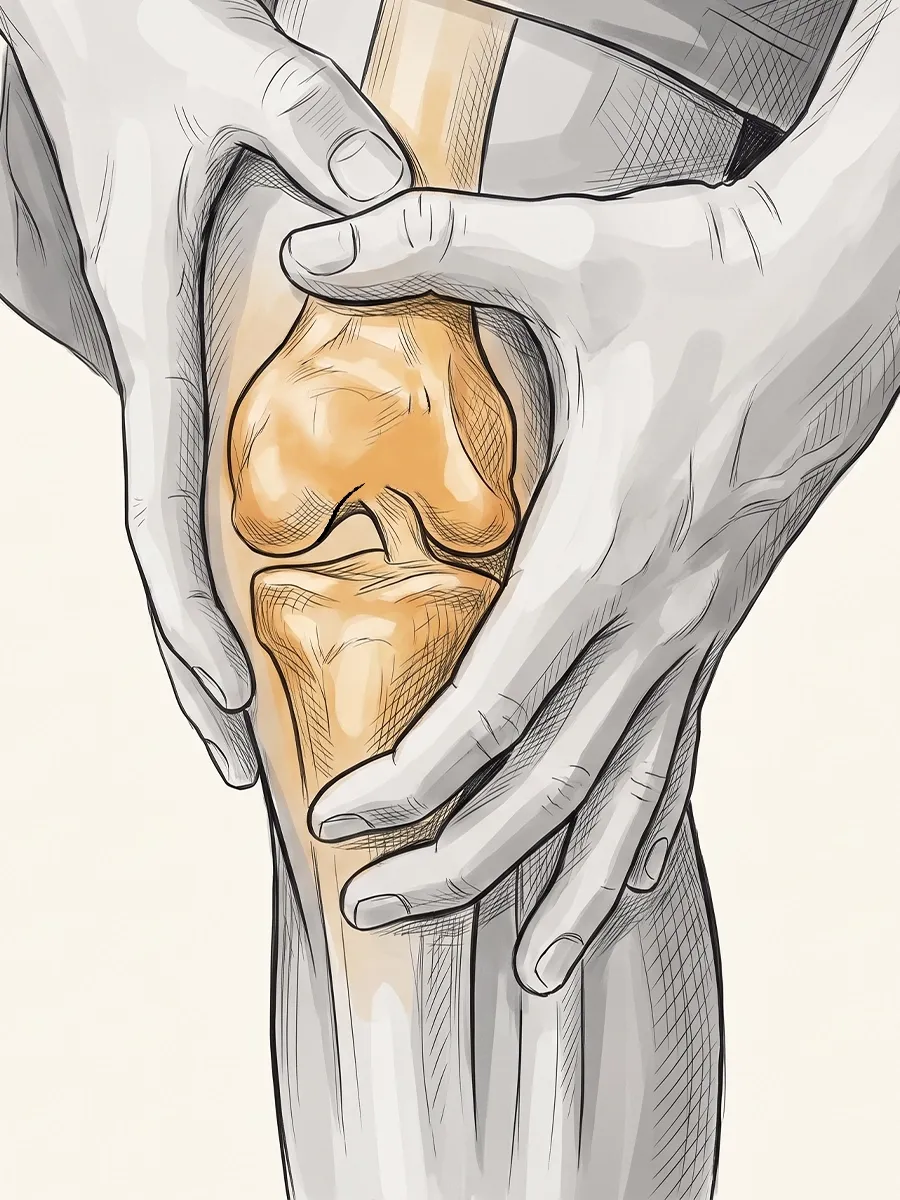
Knee Osteoarthritis
Knee osteoarthritis is one of the most common causes of knee pain and disability. It can affect your ability to walk, exercise, work, garden, play sports, or simply enjoy everyday activities.
At Masterton Foot Clinic, we understand that maintaining mobility is often the key to maintaining independence and quality of life. Our focus is on helping you remain active, comfortable, and confident for as long as possible.
What is knee osteoarthritis?
Knee osteoarthritis is a condition involving gradual changes within the knee joint, including the cartilage, bone, ligaments, and surrounding soft tissues.
While often described as "wear and tear", we now understand that osteoarthritis is a complex condition influenced by joint loading, previous injury, genetics, muscle strength, body weight, activity levels, and overall joint health.
Many people assume that arthritis means they should stop being active. In reality, appropriate movement and exercise are among the most effective ways to manage symptoms and maintain function.
Because your feet form the foundation of movement, how your feet, ankles, and lower limbs function can significantly influence the loads passing through your knees.
Symptoms
- Knee pain during walking or activity
- Stiffness, particularly after rest
- Difficulty climbing stairs
- Pain when standing from a chair
- Swelling around the knee
- Reduced walking tolerance
- Reduced confidence during activity
- Grinding, clicking, or crunching sensations within the joint
- Difficulty exercising or participating in recreational activities
Causes
Knee osteoarthritis develops due to a combination of factors rather than a single cause.
Common contributing factors include:
- Increasing age
- Previous knee injury
- Previous surgery
- Genetics
- Reduced muscle strength
- Excess body weight
- Joint alignment
- Foot and lower-limb biomechanics
- Occupational and sporting demands
Because the foot and knee function as part of the same kinetic chain, factors lower down the leg can influence how forces are distributed through the knee joint during walking and activity.
When to see a podiatrist
We recommend an assessment if:
- Knee pain is affecting your walking or mobility
- You are reducing activity because of pain
- You are struggling with stairs or uneven ground
- You feel less stable or confident on your feet
- Your symptoms are progressively worsening
- You want to remain active and delay more invasive treatments where possible
Early intervention often provides more treatment options and may help slow the cycle of pain, inactivity, weakness, and loss of function.
How we treat knee osteoarthritis
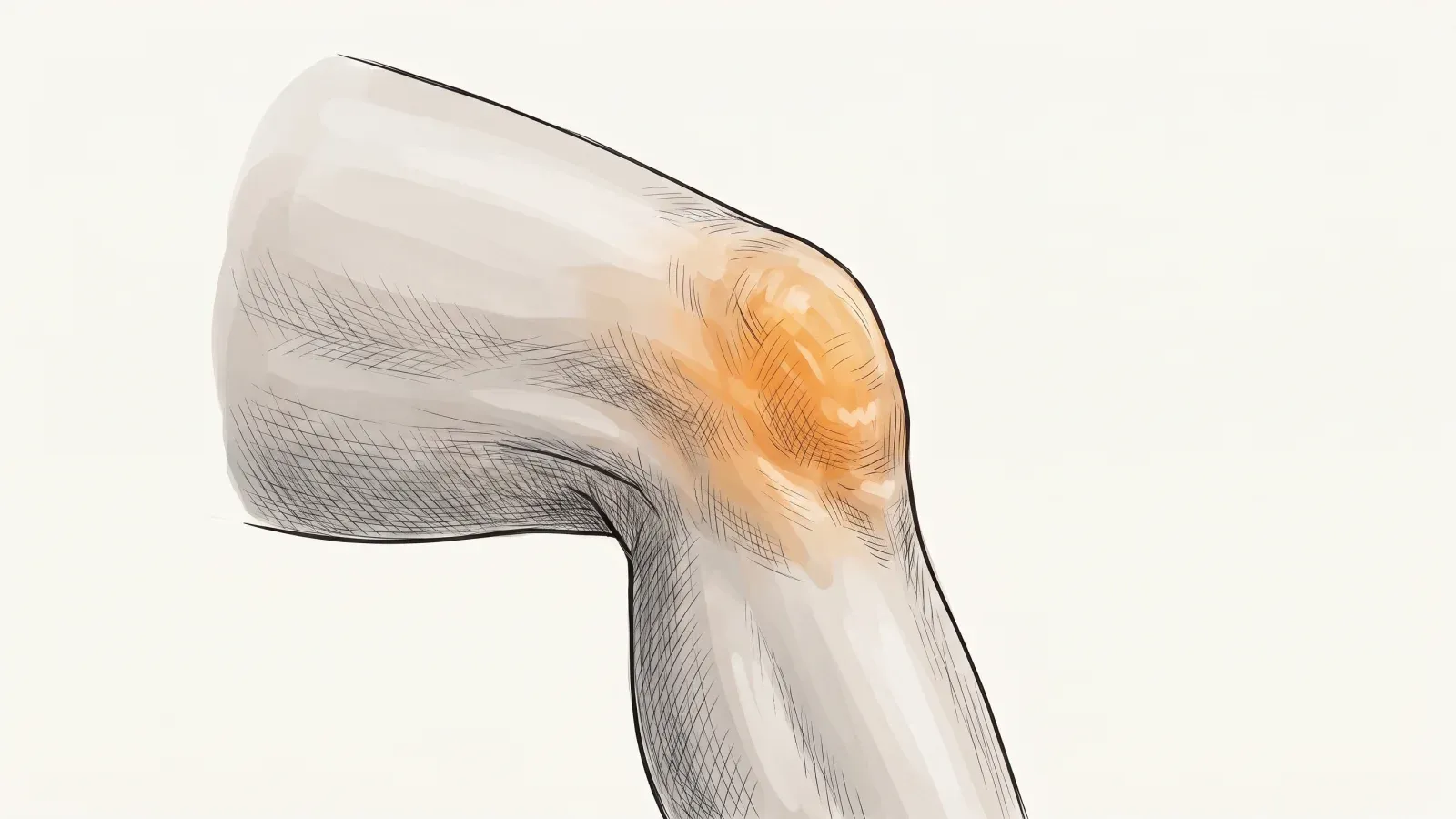
At Masterton Foot Clinic, our Proven Process combines current evidence with extensive clinical experience.
We focus on identifying the factors contributing to excessive load through the knee and developing a treatment plan tailored to your goals, lifestyle, work demands, and activity levels.
Depending on your presentation, treatment may include:
- Knee bracing
- Custom Foot Orthoses
- Footwear advice
- Strength and rehabilitation programmes
- Load management strategies
- Activity modification
- Weight management advice where appropriate
- Biomechanical assessment
- Foot Mobilisation Therapy (FMT)
One of the most significant advances in recent years has been the development of modern unloading knee braces.
For suitable patients, these braces can help reduce pain, improve walking comfort, increase activity levels, and potentially delay the need for joint replacement surgery.
Our goal is not simply to reduce pain, but to help you remain mobile, active, and independent for as long as possible.
Book with our podiatrists
Choose the clinician you would like to see, or call us and we will match you with the right person.



Not sure who to see? Call us on 06 370 4057 and we will point you in the right direction.
Treatments available
Knee Braces
Medical-grade knee braces are designed to reduce pain, improve stability, and reduce loading through affected areas of the knee joint.
Learn moreCustom Foot Orthoses
Individually prescribed orthoses are designed to improve lower-limb function and influence the forces passing through the knee during walking.
Learn moreBiomechanics & Gait
A comprehensive assessment of movement, walking patterns, joint loading, and lower-limb function.
Learn moreFoot Mobilisation Therapy (FMT)
Hands-on treatment designed to improve foot and ankle mobility where movement restrictions may be contributing to altered lower-limb loading patterns.
Learn moreOrthopaedic Footwear
Footwear solutions designed to improve comfort, stability, and mobility while reducing unnecessary stress on the lower limbs.
Learn moreFrequently asked questions
Can a knee brace really help arthritis?
Will I eventually need a knee replacement?
Can foot orthoses help knee arthritis?
Should I stop exercising?
Is walking good for knee arthritis?
Related conditions
Patellofemoral Pain
Patellofemoral pain is one of the most common causes of pain around the front of the knee.
IT Band Syndrome
IT Band Syndrome is one of the most common causes of pain on the outer side of the knee.
Arthritis
Arthritis in the feet and ankles can significantly impact mobility. We offer a range of treatments from orthotics to mobilisation therapy to help manage pain and maintain function.
Knee Braces
Medical-grade knee bracing designed to reduce pain, improve stability, and help you remain active, independent, and doing the things you enjoy.
Ready to stay active?
Book online for the next available appointment, or call us to discuss your goals and treatment options.
- ACC registered
- Southern Cross Easy-Claim available