
Foot Osteoarthritis
Foot osteoarthritis is a common cause of pain, stiffness, and reduced mobility. It can affect everyday activities such as walking, standing, exercising, gardening, or simply getting around the house.
At Masterton Foot Clinic, we focus on helping people remain active and independent by improving joint function, reducing pain, and identifying practical strategies that reduce stress on affected joints.
What is foot osteoarthritis?
Foot osteoarthritis is a condition affecting the joints of the foot. It occurs when the tissues that make up a joint—including cartilage, bone, ligaments, the joint lining (synovium), and surrounding muscles—undergo changes over time.
At the time of writing, osteoarthritis is no longer considered simply a "wear and tear" condition. Current evidence suggests it is an active joint disease involving changes throughout the entire joint.
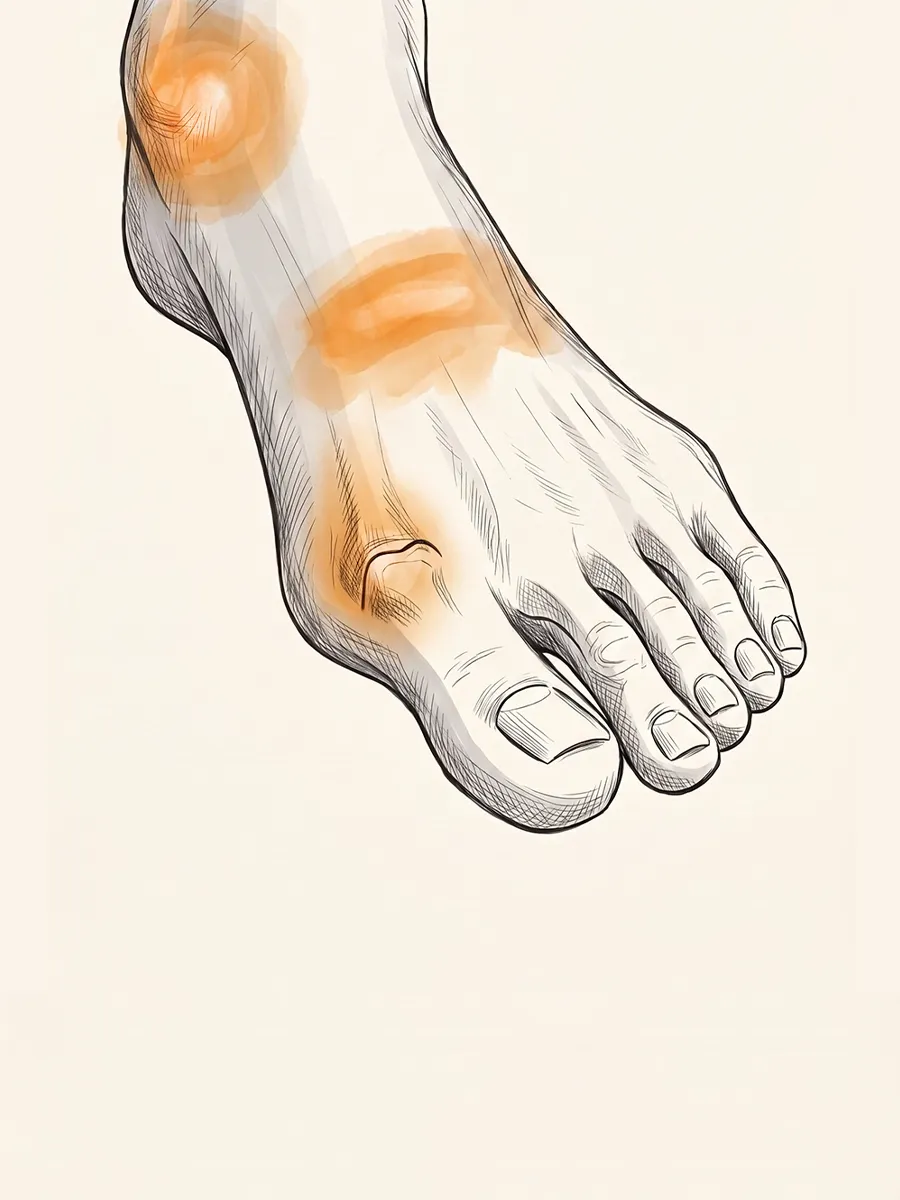
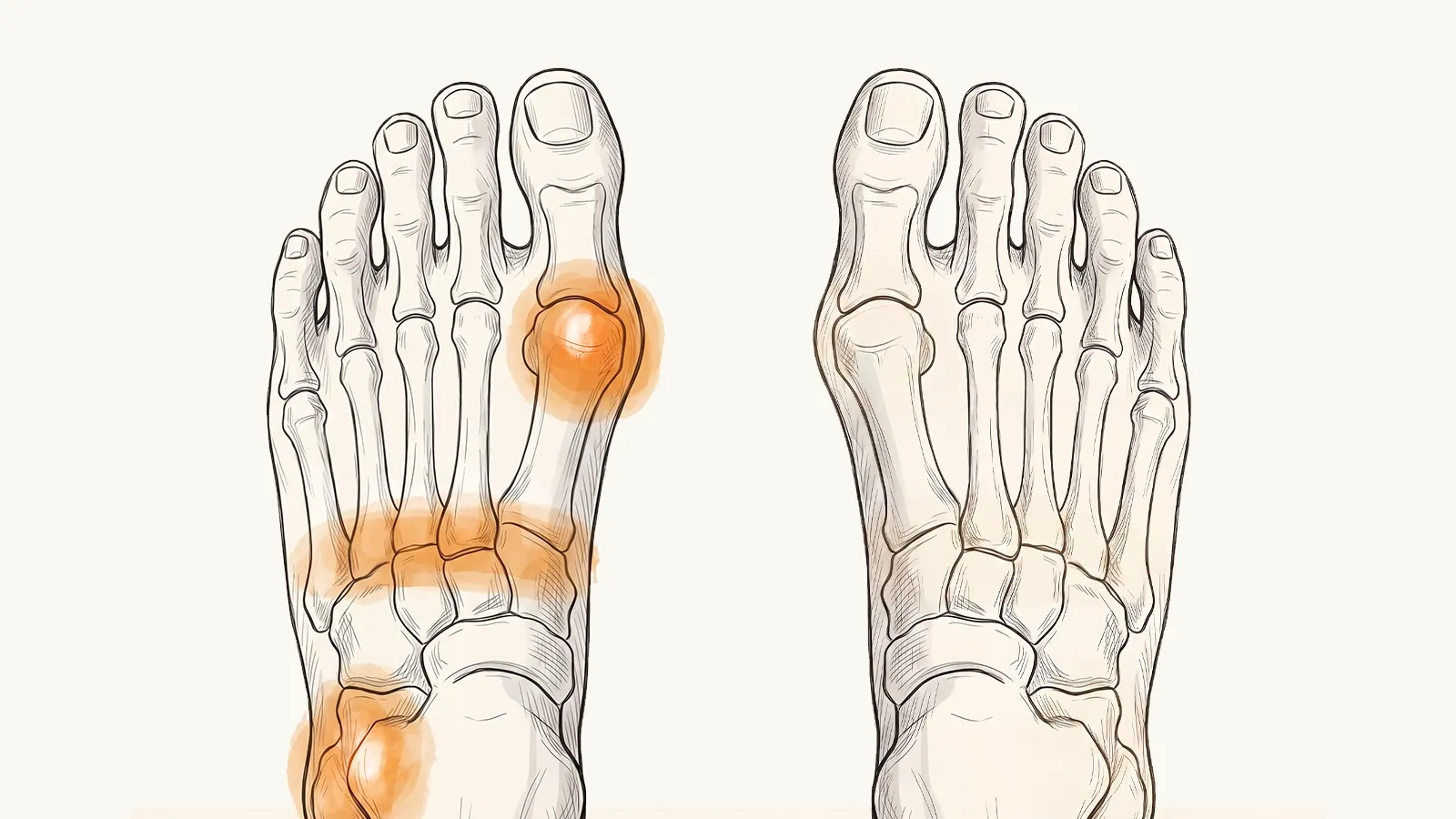
The joints most commonly affected include:
- The big toe joint.
- The midfoot.
- The ankle.
- The joints beneath the ankle (subtalar joint).
Because the foot contains 33 joints, even arthritis affecting a single joint can significantly influence the way you walk and move.
Symptoms
Common symptoms include:
- Pain during walking or standing.
- Joint stiffness, particularly after rest.
- Swelling around the joint.
- Reduced movement.
- Difficulty walking on uneven ground.
- Pain during exercise.
- Changes in walking pattern.
- Difficulty wearing certain footwear.
Causes
Foot osteoarthritis may develop following:
- Previous injury.
- Repetitive loading over many years.
- Previous fractures or severe sprains.
- Age-related joint changes.
- Certain foot shapes or deformities.
- Inflammatory joint disease.
- Genetic factors.
Many people develop osteoarthritis through a combination of factors rather than a single cause.
When should you see a podiatrist?
We recommend an assessment if:
- Foot pain is limiting your walking or exercise.
- Joint stiffness is becoming more noticeable.
- You are changing the way you walk because of pain.
- Every day activities are becoming more difficult.
- Footwear has become uncomfortable.
- Your symptoms are gradually worsening.
Early assessment often allows conservative treatment to begin before pain and stiffness have a greater impact on your mobility.
How foot arthritis affects movement
Your feet and legs work as one connected system.
Almost every muscle in the lower leg attaches to the foot, helping to control walking, balance, and stability. When one or more joints become painful or stiff, the way these muscles work also changes.
People often unconsciously alter the way they walk to avoid painful joints. Over time, this may increase loading elsewhere in the foot, ankle, knee, hip, or lower back.
Rather than simply treating the painful joint, we assess how your entire lower limb functions to identify ways to improve movement and reduce unnecessary stress.
How we treat foot osteoarthritis
At the time of writing, current evidence supports education, exercise, appropriate footwear, weight management where appropriate, and activity modification as the foundation of osteoarthritis management.
Treatment is tailored to your symptoms, lifestyle, and goals and may include:
- Education about osteoarthritis.
- Footwear advice.
- Orthopaedic Footwear, where appropriate.
- Custom Foot Orthoses.
- Foot Mobilisation Therapy (FMT), where appropriate.
- Strength and rehabilitation programmes.
- Activity and load management.
- Referral for imaging where appropriate.
- Referral to your GP or orthopaedic specialist if more advanced treatment is required.
Our goal is to reduce pain, improve movement, and help you remain active for as long as possible.
Book with our podiatrists
Choose the clinician you would like to see, or call us and we will match you with the right person.



Not sure who to see? Call us on 06 370 4057 and we will point you in the right direction.
Treatments available
Orthopaedic Footwear
Footwear designed to improve comfort, accommodate deformity, and reduce stress on painful joints.
Learn moreCustom Foot Orthoses
Individually prescribed orthoses designed to redistribute pressure, improve load management, and support comfortable movement.
Learn moreFoot Mobilisation Therapy (FMT)
Hands-on treatment that may improve joint mobility and movement efficiency, where clinically appropriate.
Learn moreBiomechanics & Gait
A comprehensive assessment of how your feet and lower limbs function during walking and everyday activities.
Learn moreFrequently asked questions
Is foot arthritis just part of getting older?
Will I eventually need surgery?
Can exercise make arthritis worse?
Can orthotics help?
Is arthritis reversible?
Related conditions
Big Toe Arthritis
Helping you understand the cause of pain and stiffness in the big toe joint, reduce symptoms, and maintain comfortable movement for as long as possible.
Rheumatoid Arthritis
Rheumatoid arthritis (RA) is an autoimmune disease that commonly affects the feet.
Gout
Gout is a common form of inflammatory arthritis that often causes sudden episodes of severe pain, swelling, redness, and warmth in the foot.
Knee Osteoarthritis
Knee osteoarthritis is one of the most common causes of knee pain and disability.
Helping you stay active
Foot arthritis doesn't have to mean giving up the activities you enjoy. Whether your goal is to walk comfortably, continue working, enjoy sport, or simply stay independent, we'll work with you to develop a personalised plan that helps you move with greater comfort and confidence.
- ACC registered
- Southern Cross Easy-Claim available