Flat Feet
Flat feet are one of the most common reasons parents bring their children to see us. While some children develop symptoms that benefit from treatment, many simply have feet that are developing normally.
At Masterton Foot Clinic, we don't assess children simply because their feet look flat. Our role is to determine whether their feet are functioning well, whether they are causing symptoms, and whether treatment is likely to provide meaningful benefit.
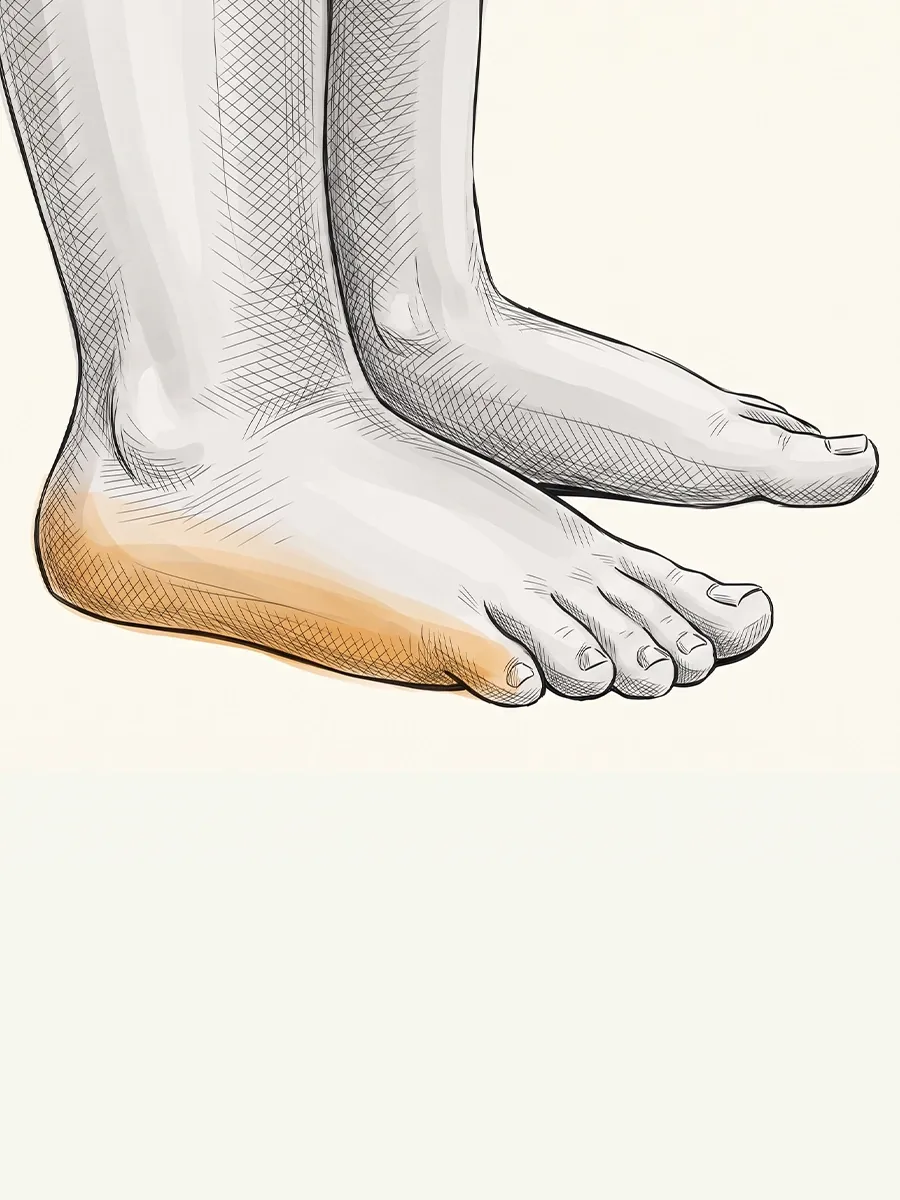
What are flat feet?
Children are born with naturally flat feet. As they grow, the muscles, ligaments, bones, and joints of the foot continue to develop, and many children gradually develop a more visible arch throughout childhood.
Some children retain flatter feet into adolescence and adulthood. In many cases, this is simply a normal variation of foot shape and does not require treatment.
The most common type is known as a flexible flat foot, where the arch appears when standing on tiptoes or when the foot is not bearing weight. This differs from a rigid flat foot, which is much less common and may require further investigation.
When should parents be concerned?
Rather than focusing solely on the appearance of the foot, we consider whether it affects your child's comfort, movement, or participation in everyday activities.
We recommend an assessment if your child:
- Complaints of foot, heel, ankle, leg, or knee pain.
- Trips or falls more often than expected for their age.
- Tires more quickly than other children during walking, running, or sports.
- Avoids physical activity because of discomfort or fatigue.
- Has difficulty keeping up with their peers.
- Wears their shoes unevenly or unusually quickly.
- Has one foot that looks significantly different from the other.
- Has a foot that appears stiff or rigid.
- Has a known neurological, muscular, or inherited condition affecting their lower limbs.
For many children with painless, flexible flat feet, reassurance and monitoring are all that is required.
Can flat feet affect other parts of the body?
Your child's feet and legs work as one connected system.
Almost every muscle in the lower leg attaches to the foot, helping to support the arch and control movement during walking and running. Changes in foot posture can therefore influence how forces are transferred through the ankles, shins, knees, hips, and lower back.
This does not mean every child with flat feet will develop problems. However, when symptoms such as pain, fatigue, tripping, or reduced participation occur, assessing the entire lower limb often provides valuable information about why those symptoms are developing.
Rather than treating the appearance of the foot, we aim to understand how your child's feet are functioning and whether they are contributing to the problems you have noticed.
How we assess children's feet
Every child is different.
Our assessment looks well beyond the shape of the arch and may include:
- Walking and running assessment
- Balance and coordination
- Foot and ankle mobility
- Muscle strength
- Joint flexibility
- Footwear assessment
- Shoe wear patterns
- Functional testing appropriate for your child's age
- Assessment of pain, fatigue, and activity levels
Most importantly, we determine whether your child's feet are functioning appropriately for their age and whether any intervention is likely to improve comfort or participation.
How we treat children's flat feet
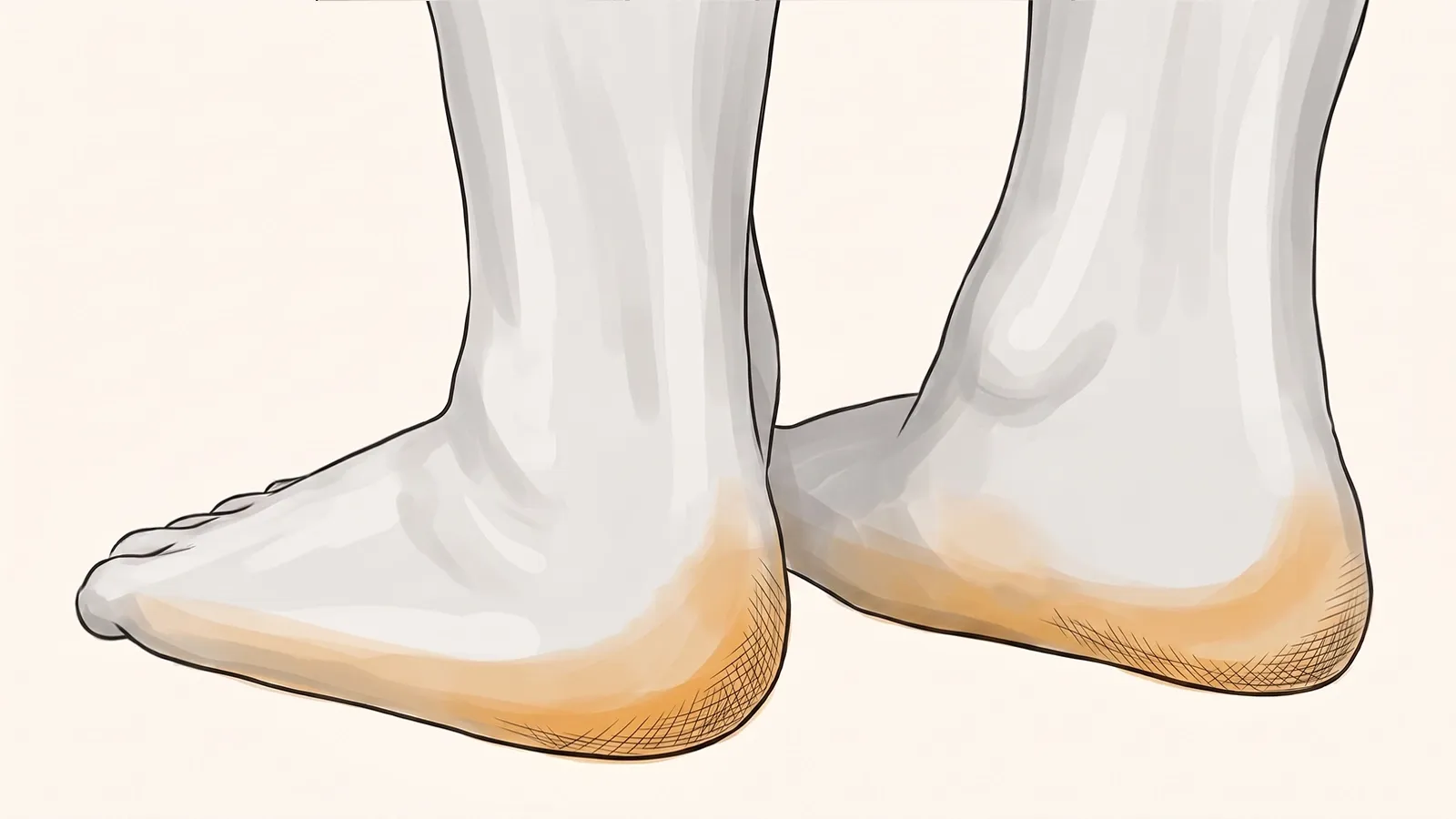
At the time of writing, current evidence suggests that many children with painless, flexible flat feet do not require treatment.
When intervention is appropriate, our aim is to improve comfort, function, confidence, and participation rather than simply changing the appearance of the foot.
Depending on your child's needs, treatment may include:
- Education and reassurance
- Footwear advice
- Activity advice
- Strength and balance exercises
- Foot Mobilisation Therapy (FMT), where appropriate
- Custom Foot Orthoses where appropriate
- Ongoing monitoring during growth
Treatment is always individualised. Not every child requires Custom Foot Orthoses, and not every flat foot needs to be corrected.
Book with our podiatrists
Choose the clinician you would like to see, or call us and we will match you with the right person.



Not sure who to see? Call us on 06 370 4057 and we will point you in the right direction.
Treatments available
Biomechanics & Gait
A comprehensive assessment of your child's walking, running, movement patterns, and lower-limb function.
Learn moreCustom Foot Orthoses
Individually prescribed orthoses that may improve comfort, reduce excessive loading, and support function where clinically indicated.
Learn moreFoot Mobilisation Therapy (FMT)
Hands-on treatment that may be appropriate for selected children with movement restrictions contributing to symptoms.
Learn moreFrequently asked questions
Will my child outgrow flat feet?
Does every child with flat feet need Custom Foot Orthoses?
Can Custom Foot Orthoses permanently create an arch?
Can exercises create an arch?
My child isn't in pain. Should I still be worried?
Related conditions
In-Toeing
In-toeing occurs when a child's feet point inward during walking or running.
Growing Pains
Growing pains commonly cause aching or discomfort in the legs and feet, often in the evening or overnight.
Children's Foot & Leg Pain
Custom Foot Orthoses
Individually prescribed orthoses that may improve comfort, reduce excessive loading, and support function where clinically indicated.
Helping children stay active and confident
If you have concerns about your child's feet, we'd be happy to assess whether they are developing normally and discuss whether any treatment is likely to be beneficial.
- ACC registered
- Southern Cross Easy-Claim available