
Plantar Plate Tear
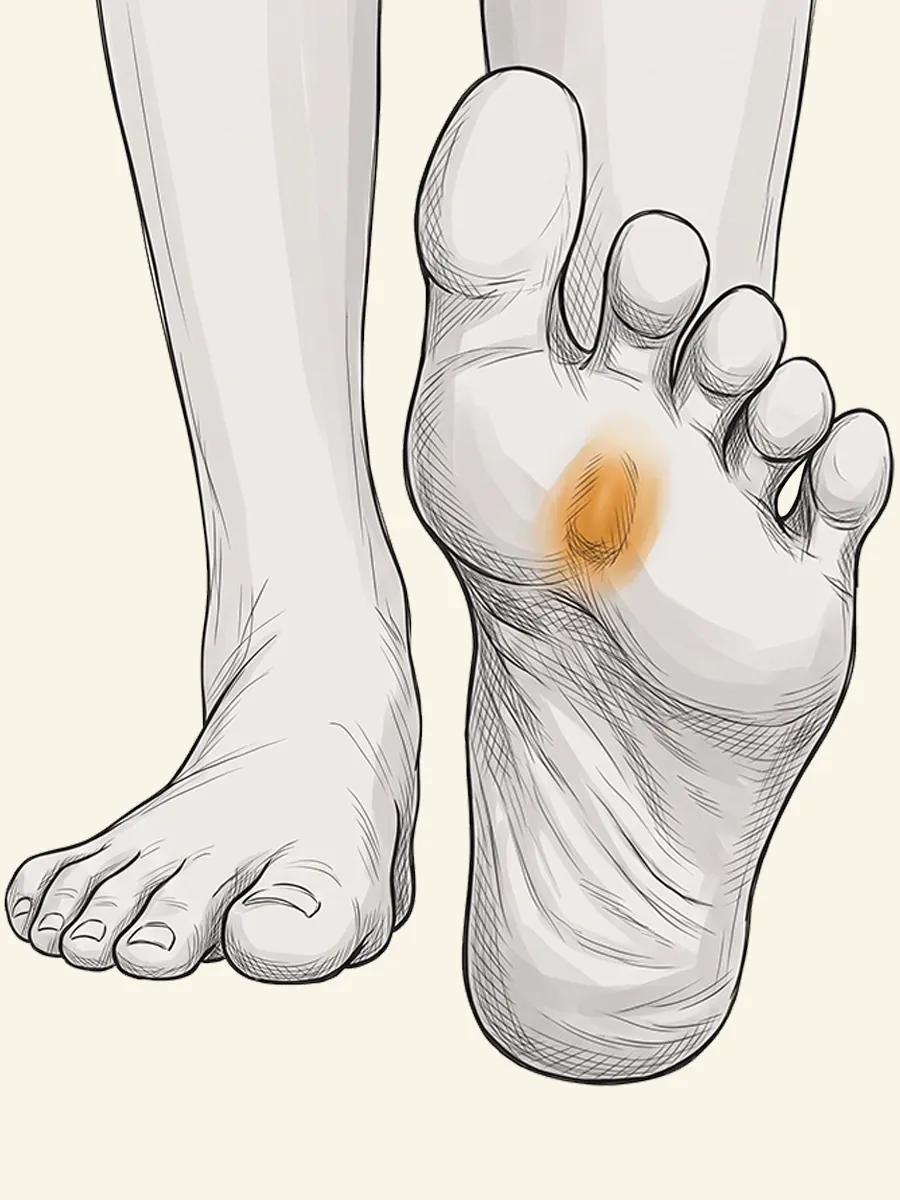
A plantar plate tear is a common cause of pain beneath the ball of the foot and around the base of the toes. Left untreated, it can lead to ongoing pain, toe instability, and progressive drifting of the affected toe.
At Masterton Foot Clinic, we regularly assess and manage plantar plate injuries. Early diagnosis and appropriate treatment often provide the best opportunity to reduce pain, improve function, and slow progression.
What is a plantar plate tear?
The plantar plate is a strong ligament-like structure beneath the toe joints that helps stabilise the toes during walking and running.
Over time, repetitive loading or injury can cause the plantar plate to stretch, weaken, or tear. This may result in pain beneath the ball of the foot and progressive instability of the affected toe.
The second toe is most commonly involved, although plantar plate injuries can affect any of the lesser toes.
As instability develops, the toe may begin to drift, separate from adjacent toes, lift upwards, or cross over neighbouring toes.
Symptoms
Common symptoms include:
- Pain beneath the ball of the foot
- Pain near the base of a toe
- Feeling like you are walking on a lump or pebble
- Swelling around the toe joint
- Pain when barefoot
- Toe drifting or separation
- A toe beginning to lift, cross over, or change position
- Reduced comfort during walking, running, or sports
Many people notice symptoms for months before visible toe drift develops.
Causes
Plantar plate tears typically develop when excessive load is repeatedly placed through the forefoot.
Common contributing factors include:
- Forefoot overload
- Bunions
- Big Toe Arthritis
- Certain foot types
- Repetitive sporting activities
- Footwear that increases pressure beneath the forefoot
- Age-related changes in supporting tissues
Because your feet form the foundation of movement, the way they function can significantly influence the loads passing through the forefoot and toe joints.
When to see a podiatrist
We recommend an assessment if you have:
- Persistent pain beneath the ball of the foot
- Pain near the base of a toe
- A toe that appears to be drifting or separating
- Pain that worsens when barefoot
- Difficulty walking, exercising, or participating in sports
Early assessment is important because plantar plate injuries can become progressively more difficult to manage once significant toe instability develops.
How we treat plantar plate tears
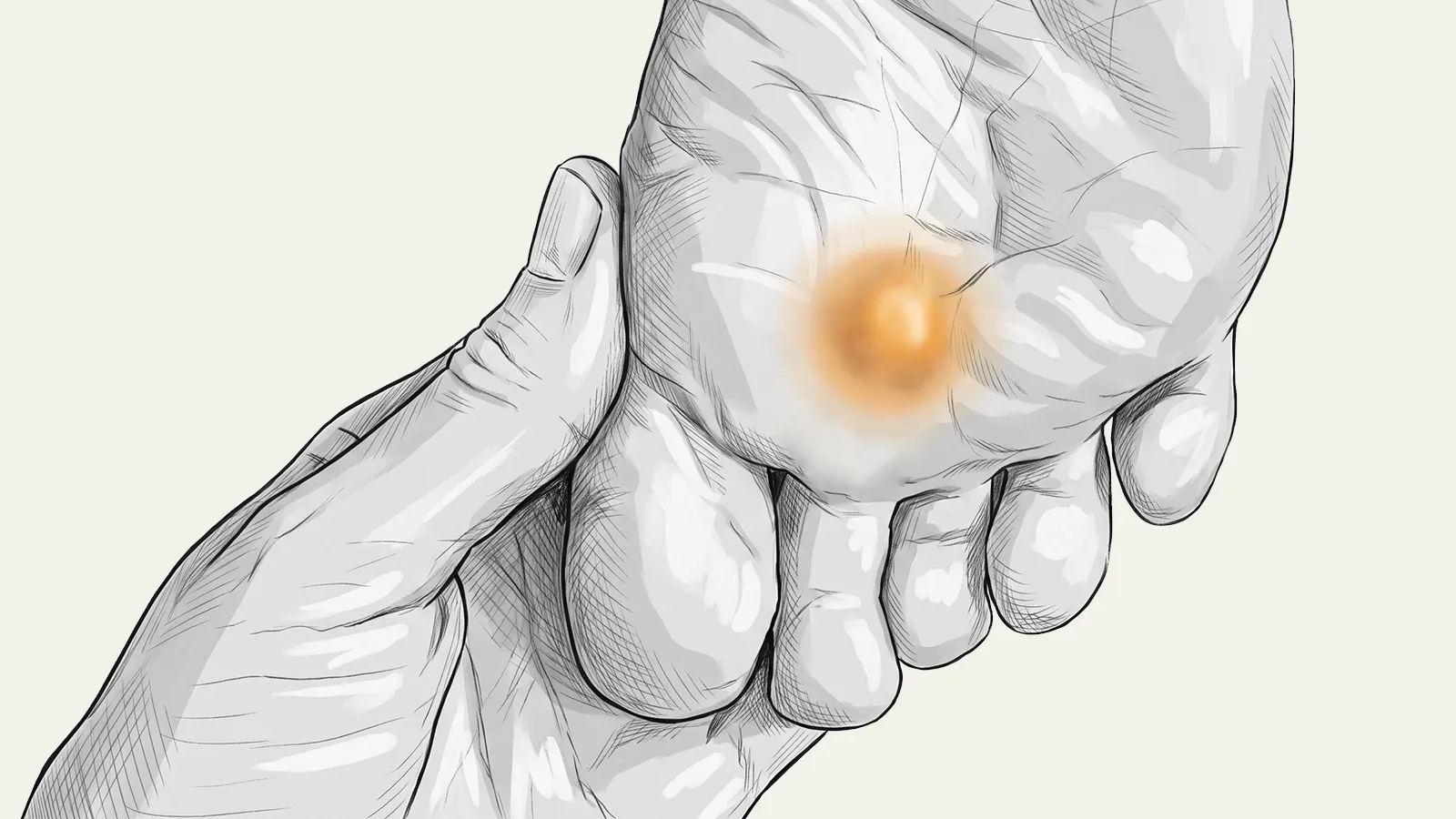
At Masterton Foot Clinic, we regularly assess plantar plate injuries and toe joint conditions.
Our Proven Process helps us:
- Confirm the diagnosis
- Assess toe stability
- Determine whether imaging is required
- Identify causes of forefoot overload
- Create a personalised treatment plan
Treatment may include:
- Taping and splinting
- Footwear advice
- Custom Foot Orthoses
- Offloading strategies
- Activity modification
- Rehabilitation exercises
- Foot Mobilisation Therapy (FMT)
- Load management strategies
Our goal is to reduce pain, improve function, maintain toe stability, and help prevent further progression of deformity.
Book with our podiatrists
Choose the clinician you would like to see, or call us and we will match you with the right person.



Not sure who to see? Call us on 06 370 4057 and we will point you in the right direction.
Treatments available
Biomechanics & Gait
A comprehensive assessment designed to identify the factors contributing to forefoot overload and toe instability.
Learn moreCustom Foot Orthoses
Individually prescribed orthoses designed to reduce pressure beneath the affected toe joint and improve load distribution.
Learn moreFoot Mobilisation Therapy (FMT)
Hands-on treatment designed to improve foot mobility and movement efficiency where joint stiffness may be contributing to abnormal forefoot loading.
Learn moreOrthopaedic Footwear
Footwear solutions designed to reduce forefoot pressure and improve comfort during walking and daily activities.
Learn moreFrequently asked questions
Can a plantar plate tear heal without surgery?
How is it diagnosed?
How long does recovery take?
Will my toe continue to drift?
Is this what causes crossover toes?
Will orthotics help?
Related conditions
Metatarsalgia
Metatarsalgia is one of the most common causes of pain beneath the ball of the foot.
Morton's Neuroma
Morton's Neuroma is a common cause of pain in the ball of the foot.
Bunions
Bunions are one of the most common foot conditions we assess and manage at Masterton Foot Clinic.
Big Toe Arthritis
Helping you understand the cause of pain and stiffness in the big toe joint, reduce symptoms, and maintain comfortable movement for as long as possible.
Ready to address your forefoot pain?
Book online for the next available appointment, or call us to discuss your needs.
- ACC registered
- Southern Cross Easy-Claim available