Rheumatoid Arthritis
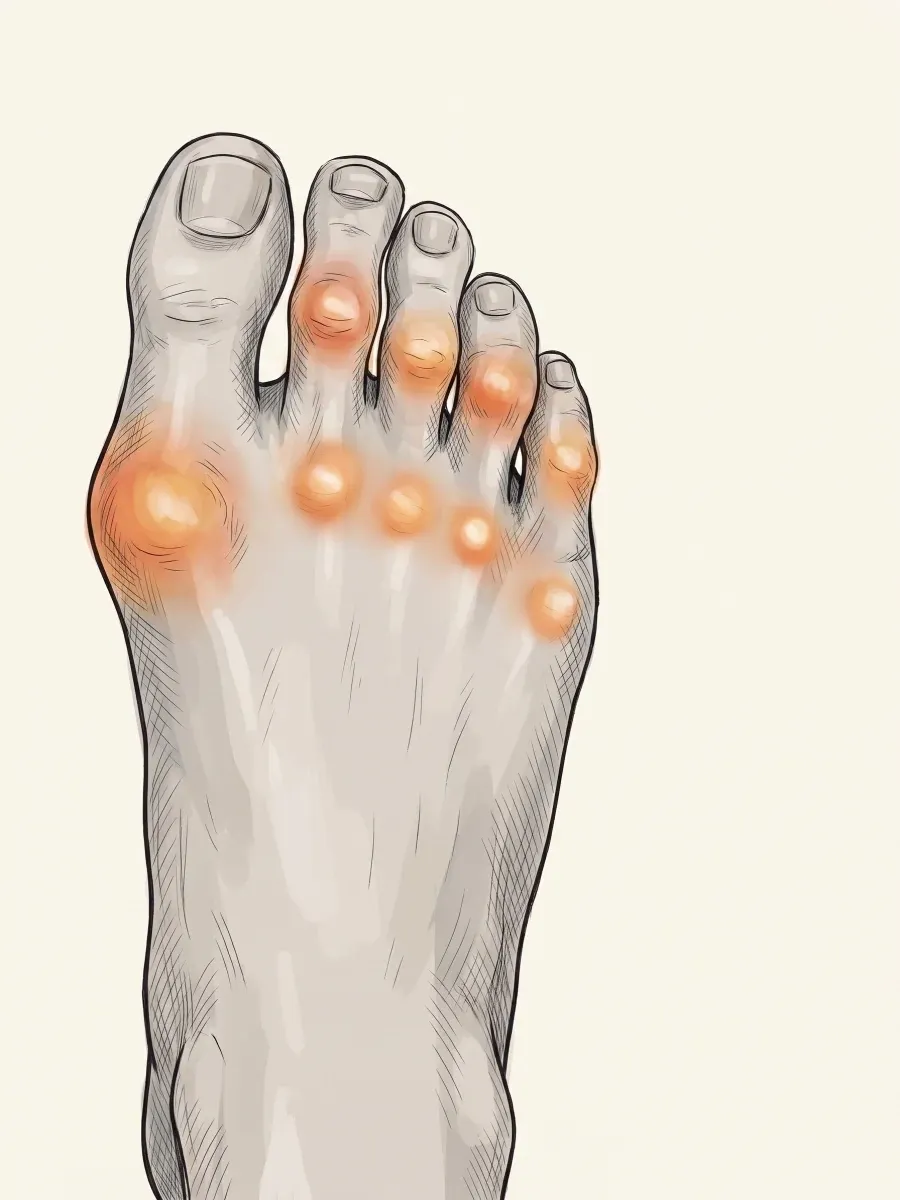
Rheumatoid arthritis (RA) is an autoimmune disease that commonly affects the feet. For many people, the feet are among the first parts of the body to develop pain, stiffness, or swelling.
At Masterton Foot Clinic, we work alongside your GP, rheumatologist, and other healthcare professionals to help reduce pain, maintain mobility, protect vulnerable joints, and support your independence throughout every stage of the condition.
What is rheumatoid arthritis?
Rheumatoid arthritis is a long-term autoimmune disease in which the body's immune system mistakenly attacks the lining of the joints (the synovium). This causes inflammation that can damage cartilage, bone, ligaments, tendons, and surrounding soft tissues over time if not effectively controlled.
Unlike osteoarthritis, which is now understood to be an active disease affecting the entire joint and influenced by factors such as mechanical loading, previous injury, genetics, ageing, and biological processes, rheumatoid arthritis is driven by an abnormal immune response.
At the time of writing, the best available evidence suggests that early diagnosis and treatment with disease-modifying anti-rheumatic drugs (DMARDs) have significantly improved long-term outcomes for many people living with rheumatoid arthritis.
Despite these advances, the feet remain one of the most commonly affected parts of the body.
Symptoms
Common symptoms include:
- Pain in the feet or ankles.
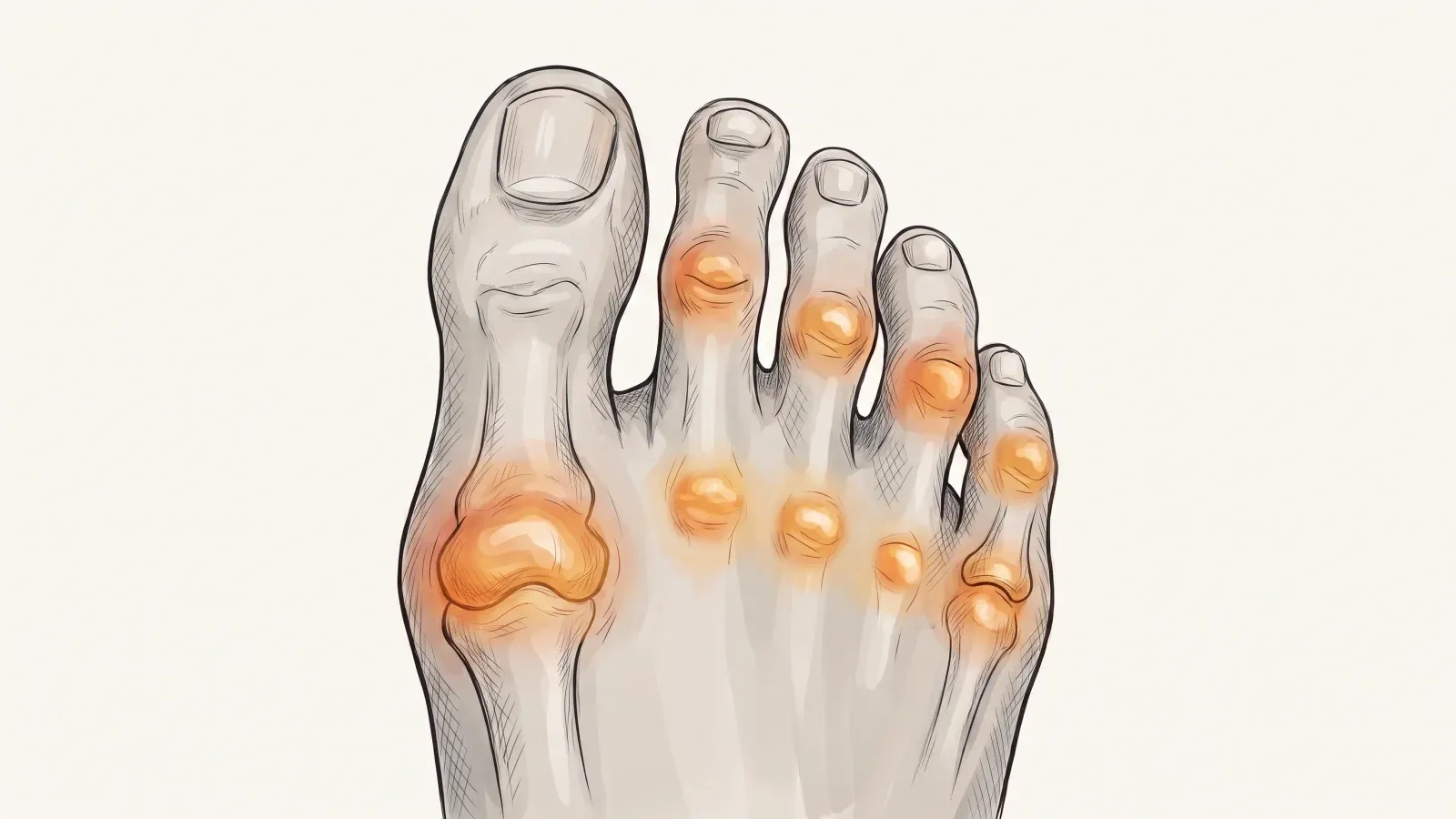
- Swollen joints.
- Morning stiffness lasting longer than 30 minutes.
- Warmth around affected joints.
- Pain beneath the ball of the foot.
- Difficulty walking.
- Changes in foot shape over time.
- Fatigue and reduced activity levels.
Symptoms often affect both feet and may fluctuate over time, with periods where the condition becomes more active.
Causes
Rheumatoid arthritis develops when the immune system mistakenly attacks healthy joint tissue.
The exact cause is not fully understood, but contributing factors may include:
- Genetic predisposition.
- Immune system dysfunction.
- Environmental factors.
- Smoking.
- Hormonal influences.
Unlike osteoarthritis, rheumatoid arthritis is not caused by normal ageing or simply "wearing out" the joints.
When should you see a podiatrist?
We recommend an assessment if:
- Foot pain is affecting your walking, work, or daily activities.
- You notice swelling in your feet or ankles.
- Your footwear is becoming uncomfortable.
- You are developing pressure areas or calluses.
- You have changes in the shape of your feet.
- You have diabetes, poor circulation, or reduced sensation in addition to rheumatoid arthritis.
- You have persistent foot pain and prolonged morning stiffness but have not yet received a diagnosis.
Early assessment often allows small problems to be identified before they have a greater impact on mobility and function. If we suspect an underlying inflammatory arthritis that has not yet been diagnosed, we can recommend further medical investigation through your GP or an appropriate specialist.
How rheumatoid arthritis affects movement
Your feet and legs work as one connected system.
Almost every muscle in the lower leg attaches to the foot, helping to control walking, balance, and stability. Rheumatoid arthritis can affect not only the joints, but also the tendons, ligaments, and other soft tissues that support movement.
As these tissues become painful or inflamed, people often change the way they walk without realising it. Over time, this may increase pressure beneath certain parts of the foot and contribute to pain elsewhere in the ankles, knees, hips, or lower back.
Rather than focusing solely on painful joints, we assess how rheumatoid arthritis is affecting your overall movement and identify strategies to improve comfort, reduce excessive loading, and maintain mobility.
How we treat rheumatoid arthritis
Our role is to work alongside your rheumatology team to help you remain as active and independent as possible.
Depending on your needs, treatment may include:
- Footwear advice.
- Orthopaedic Footwear, where appropriate.
- Custom Foot Orthoses.
- Pressure redistribution strategies.
- Foot Mobilisation Therapy (FMT), where appropriate.
- Management of corns and calluses.
- High-Risk Foot Care where appropriate.
- Regular monitoring of foot health.
- Referral to your GP, rheumatologist, or other healthcare professionals where appropriate.
Our goal is not simply to reduce foot pain. We aim to help you maintain your mobility, confidence, and quality of life while supporting the wider management of your condition.
Book with our podiatrists
Choose the clinician you would like to see, or call us and we will match you with the right person.



Not sure who to see? Call us on 06 370 4057 and we will point you in the right direction.
Treatments available
High-Risk Foot Assessment
Comprehensive assessment of circulation, nerve function, skin health, pressure areas, and overall foot health where rheumatoid arthritis increases the risk of complications.
Orthopaedic Footwear
Footwear designed to improve comfort, accommodate deformity, and reduce pressure on painful joints.
Learn moreCustom Foot Orthoses
Individually prescribed orthoses designed to redistribute pressure, improve load management, and support comfortable movement.
Learn moreSkin & Nail Care
Professional management of nails, calluses, and pressure areas to improve comfort and reduce the risk of skin breakdown.
Learn moreFrequently asked questions
Will everyone with rheumatoid arthritis develop foot deformities?
Can podiatry help if I'm already seeing a rheumatologist?
Will I need Custom Foot Orthoses?
Should I keep exercising?
Why are regular foot assessments important?
Related conditions
Foot Osteoarthritis
Foot osteoarthritis is a common cause of pain, stiffness, and reduced mobility.
Gout
Gout is a common form of inflammatory arthritis that often causes sudden episodes of severe pain, swelling, redness, and warmth in the foot.
High-Risk Foot Care
Bunions
Bunions are one of the most common foot conditions we assess and manage at Masterton Foot Clinic.
Helping you stay mobile
Living with rheumatoid arthritis doesn't mean giving up the activities that matter to you. By working alongside your wider healthcare team, we aim to reduce pain, protect your feet, and help you stay active, independent, and confident for as long as possible.
- ACC registered
- Southern Cross Easy-Claim available