Biomechanical & Gait Analysis
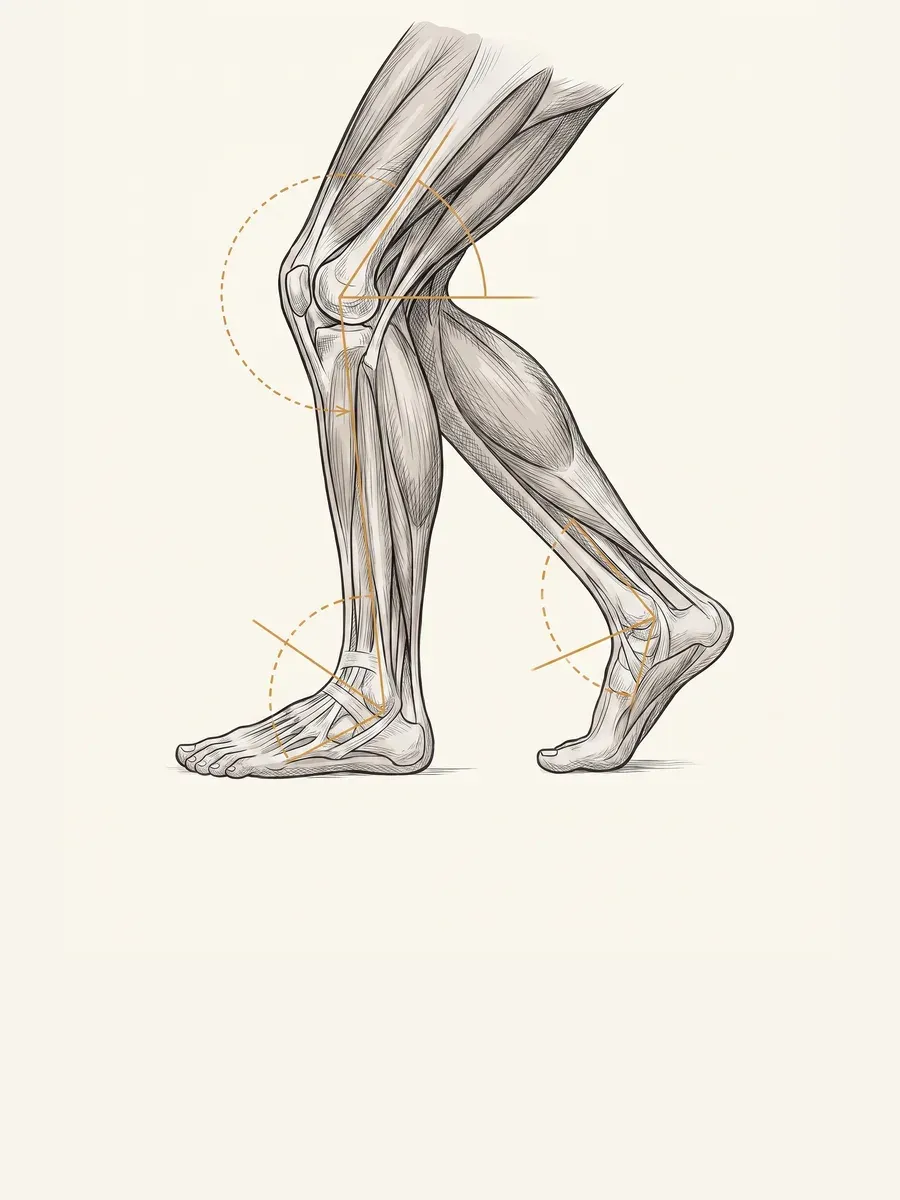
A comprehensive assessment of how your feet, lower limbs, and body move and function — helping us identify the factors contributing to pain, injury, reduced performance, or movement limitations.
The problem
Pain and injury are often influenced by a combination of factors, including movement patterns, strength, mobility, footwear, training loads, tissue capacity, and lifestyle demands.
Without understanding what is driving the problem, treatment often becomes focused on symptoms rather than causes.
A biomechanical assessment helps us understand how your feet and lower limbs function, identify contributing factors behind your symptoms, and guide the most appropriate treatment plan for your condition, goals, and lifestyle.
How we treat it
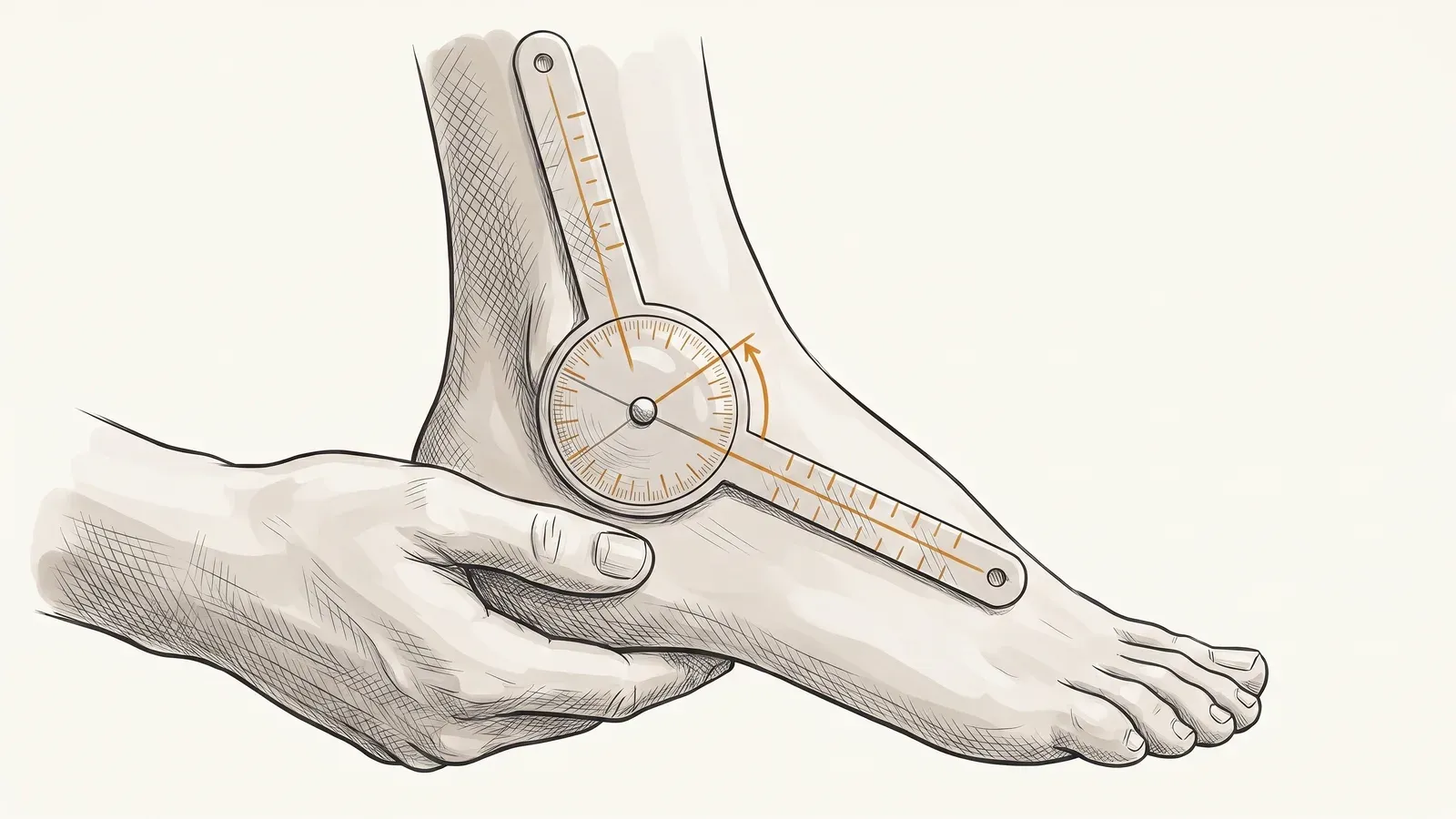
Your assessment may include:
- Foot posture and alignment assessment
- Joint mobility testing
- Muscle strength and control testing
- Balance assessment
- Footwear assessment
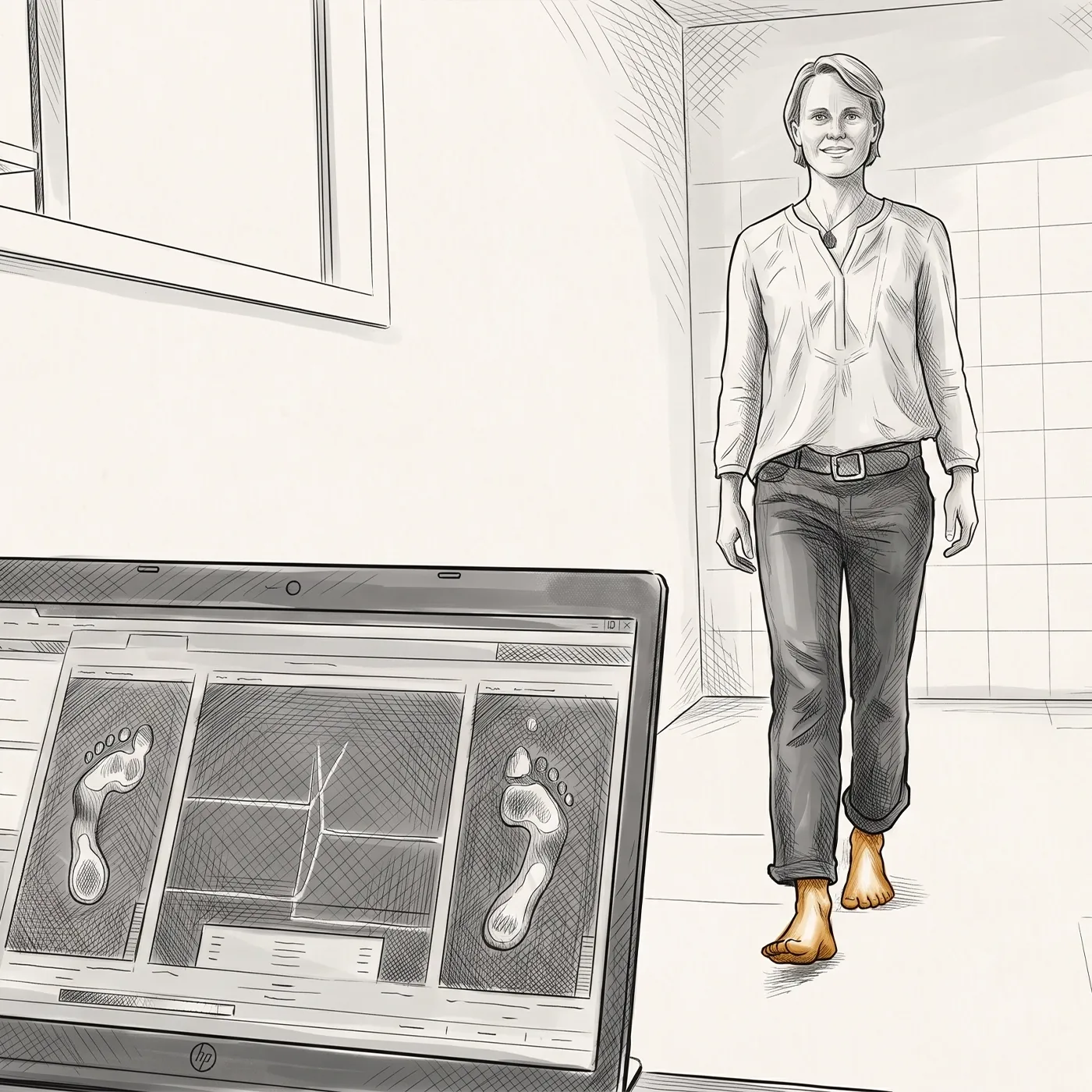
- Walking analysis
- Running analysis
- Video gait analysis
- Functional movement testing
- Hands-on examination of the affected area
Assessments are performed both in-chair and under real-life weight-bearing conditions to understand how your body functions during everyday movement.
Video gait analysis is commonly used to slow movement down and visually explain what we are seeing. For runners and sporting injuries, we may also assess and record outdoor running, as this often provides a more natural representation of running mechanics than treadmill-based assessment.
Our goal is not simply to identify where pain is occurring, but to understand why it may have developed in the first place.
Why Masterton Foot Clinic
At Masterton Foot Clinic, we believe successful treatment starts with understanding the bigger picture.
Rather than focusing solely on the painful area, we assess how your feet, ankles, knees, hips, footwear, strength, mobility, activity levels, and movement patterns may be influencing your symptoms.
The findings from your assessment help guide rehabilitation, footwear advice, orthotic prescription, bracing, load management, strengthening programs, and broader treatment planning.
We regularly work alongside physiotherapists, sports medicine professionals, orthopaedic specialists, and other healthcare providers to help patients achieve the best possible outcomes.
Whether your goal is simply walking comfortably again, returning to work, remaining independent, or competing at a high level of sport, our focus is on helping you move with greater confidence, efficiency, and resilience.
Most importantly, we help people maximise their healthspan by maintaining mobility, independence, and participation in the activities they enjoy.
Book with our podiatrists
Choose the clinician you would like to see, or call us and we will match you with the right person.


Not sure who to see? Call us on 06 370 4057 and we will point you in the right direction.
You might also be interested in
Orthotics & Bracing
A full range of custom and off-the-shelf orthotic bracing solutions to support your mobility, reduce pain, and promote healing.
Foot Mobilisation Therapy
Hands-on therapy designed to improve foot and leg movement, reduce pain, and support recovery without medication, needles, or surgery.
Footwear & Load Management
Practical strategies to help reduce irritation while maintaining activity and performance.
Frequently asked questions
What is a biomechanical assessment?
What does gait analysis show?
Is gait analysis included in the assessment?
Why has my pain started now?
Is my foot pain caused by my flat feet?
What happens if I need an X-ray, ultrasound, or MRI?
Related conditions
Ready to find the real cause?
Book online for the next available appointment, or call us to discuss your needs.
- ACC registered
- Southern Cross Easy-Claim available