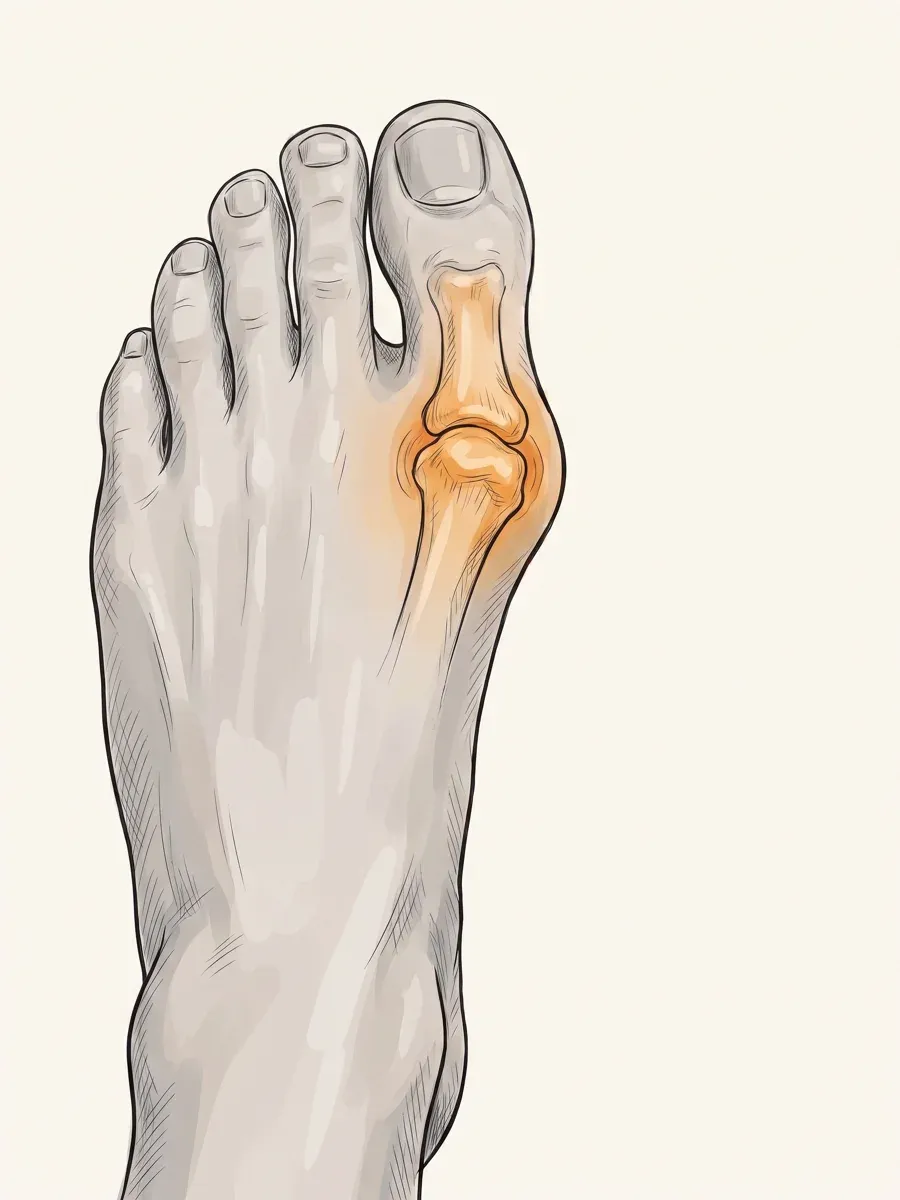
Hallux Limitus & Big Toe Arthritis
Helping you understand the cause of pain and stiffness in the big toe joint, reduce symptoms, and maintain comfortable movement for as long as possible.
The problem
The big toe joint plays a critical role in walking, running, balance, and propulsion.
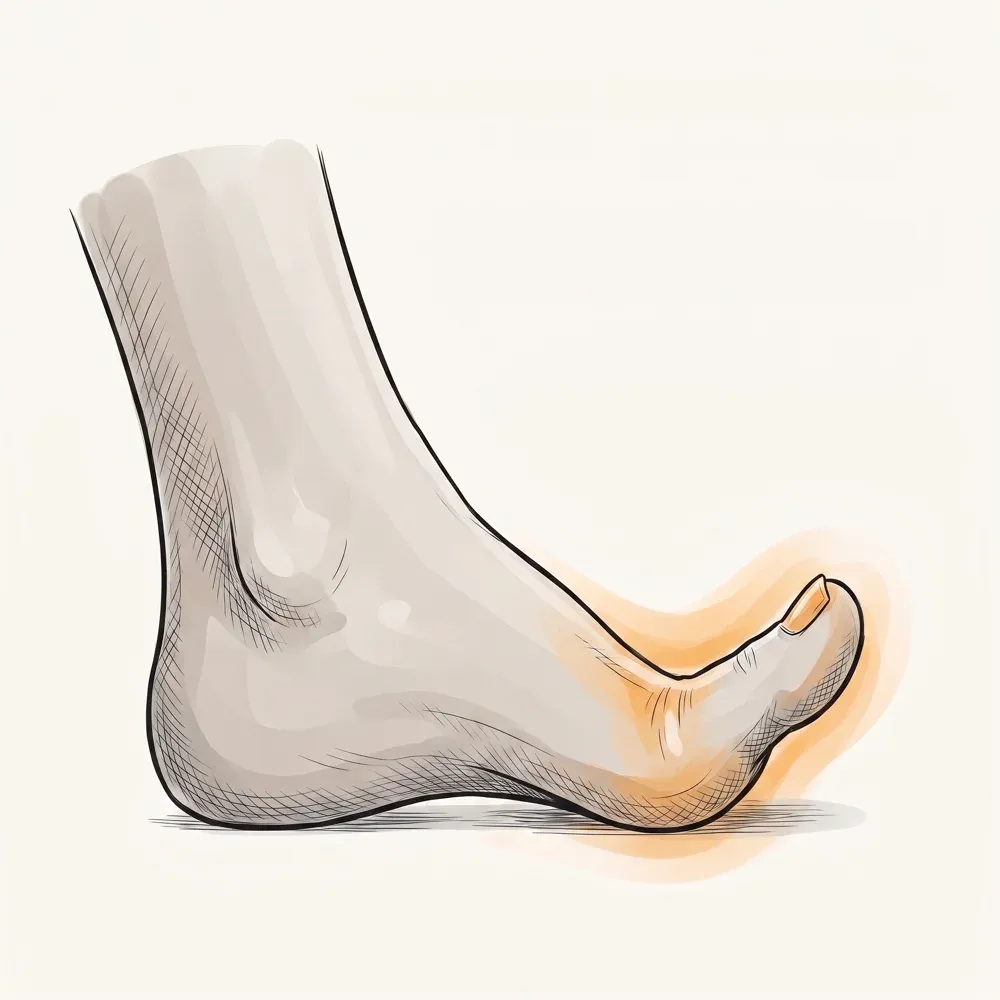
Each time we take a step, the joint must bend upward to allow the body to move efficiently over the foot.
When the joint becomes stiff, inflamed, or arthritic, this movement can become painful and restricted.
Common symptoms include:
- Pain in the big toe joint
- Stiffness when walking
- Pain pushing off during walking or running
- Pain during hills or stairs
- Swelling around the joint
- Difficulty wearing certain footwear
- Reduced range of motion
- Development of a bony prominence on top of the joint
Big toe arthritis is commonly referred to as Hallux Limitus or Hallux Rigidus, depending on the severity of joint restriction.
Many people assume pain is simply a normal part of ageing. However, there are often treatment options available that can reduce symptoms and help maintain mobility.
How we treat it
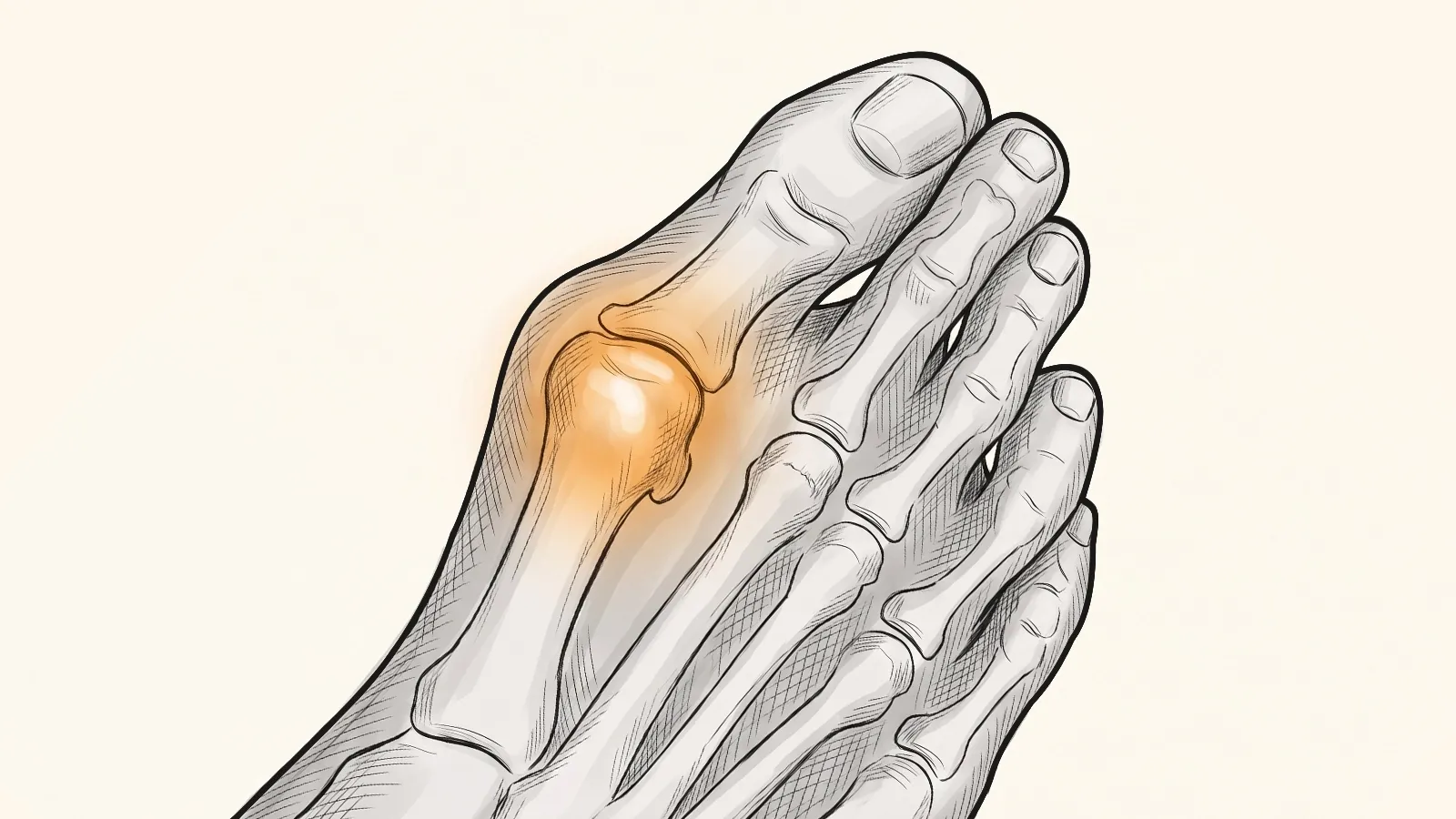
Successful treatment starts with understanding how the joint is functioning and identifying the factors contributing to irritation.
Assessment may include:
- Foot and lower limb assessment
- Joint mobility assessment
- Gait analysis
- Footwear assessment
- Strength and movement testing
- Diagnostic imaging referral, where appropriate
Treatment recommendations may include:
- Footwear modification
- Orthotics designed to reduce stress on the joint
- Carbon fibre plates or stiffening devices
- Foot mobilisation therapy
- Load management strategies
- Strengthening and rehabilitation programmes
- Bracing where appropriate
- Referral for imaging or surgical opinion when required
Our goal is to improve comfort, maintain function, and help preserve mobility for as long as possible.
Why Masterton Foot Clinic
Big toe arthritis is one of the most common causes of forefoot pain in adults.
Many people are told they simply have arthritis and must learn to live with it. While arthritis cannot always be reversed, symptoms can often be improved significantly through appropriate management.
At Masterton Foot Clinic, we assess how the joint functions during walking and how factors such as footwear, foot mechanics, strength, mobility, and activity demands may be contributing to symptoms.
Our podiatrists have a particular interest in conservative management strategies designed to reduce stress on the joint and help patients remain active.
In many cases, relatively small changes in footwear, orthotic design, or movement patterns can have a significant impact on comfort and function.
Where appropriate, we work closely with physiotherapists, orthopaedic surgeons, and other healthcare providers to ensure patients have access to the full range of treatment options.
Most importantly, our focus is on helping patients maintain mobility, independence, and participation in the activities they enjoy.
Book with our podiatrists
Choose the clinician you would like to see, or call us and we will match you with the right person.



Not sure who to see? Call us on 06 370 4057 and we will point you in the right direction.
You might also be interested in
Orthotics & Bracing
Custom devices designed to reduce stress on painful joints and improve comfort.
Foot Mobilisation Therapy
Hands-on treatment designed to improve movement and function throughout the foot and lower limb.
Biomechanics & Gait
Assessment of movement patterns and loading to identify factors contributing to joint irritation.
Frequently asked questions
What is Hallux Limitus?
What is Hallux Rigidus?
Can orthotics help big toe arthritis?
Can footwear make a difference?
Will the arthritis continue to worsen?
Can Foot Mobilisation Therapy help?
Will I eventually need surgery?
Related conditions
Forefoot Pain
Helping you identify the cause of pain in the ball of the foot and forefoot, reduce symptoms, and return to comfortable walking, work, and activity.
Bunions
Bunions are one of the most common foot conditions we assess and manage at Masterton Foot Clinic.
Arthritis
Arthritis in the feet and ankles can significantly impact mobility. We offer a range of treatments from orthotics to mobilisation therapy to help manage pain and maintain function.
Heel & Ankle Pain
Helping you identify the cause of heel and ankle pain, reduce symptoms, restore movement, and return to the activities you enjoy.
Ready to move more comfortably?
Book online for the next available appointment, or call us to discuss your big toe pain.
- ACC registered
- Southern Cross Easy-Claim available