Achilles Tendinopathy
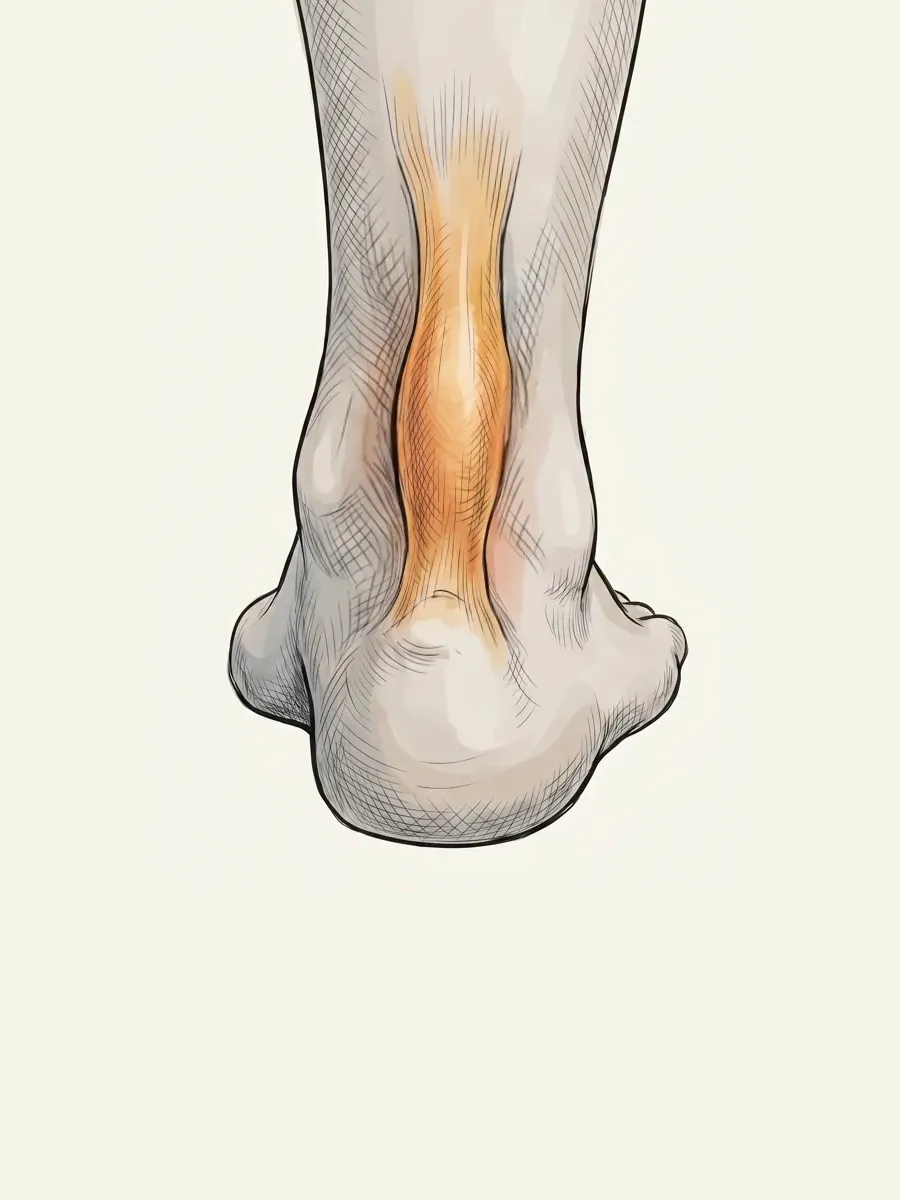
Achilles tendinopathy is a common cause of pain, stiffness, and swelling at the back of the heel and ankle. At Masterton Foot Clinic, we regularly assess and manage Achilles tendon problems in runners, active individuals, and everyday patients alike.
What is Achilles tendinopathy?
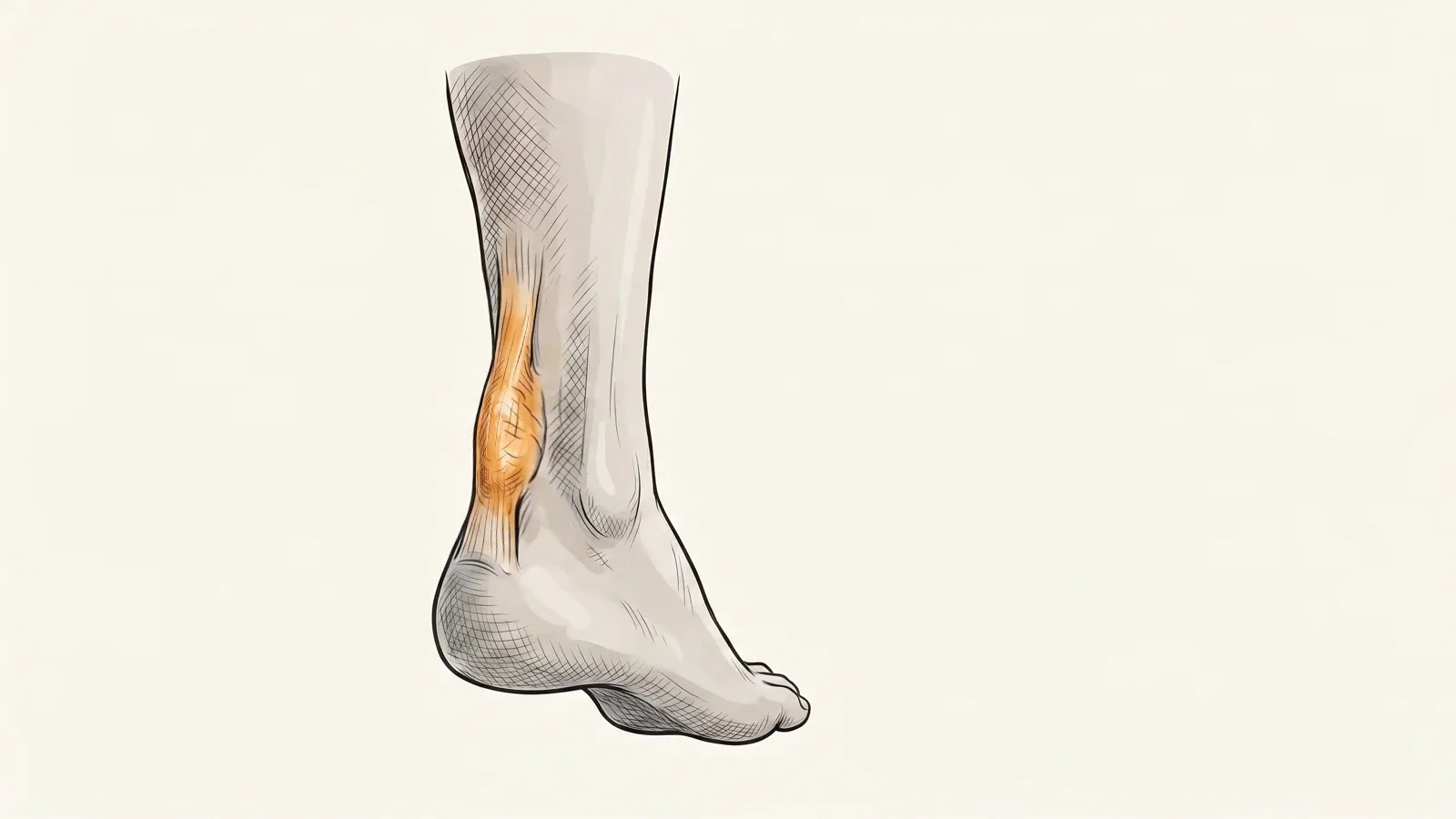
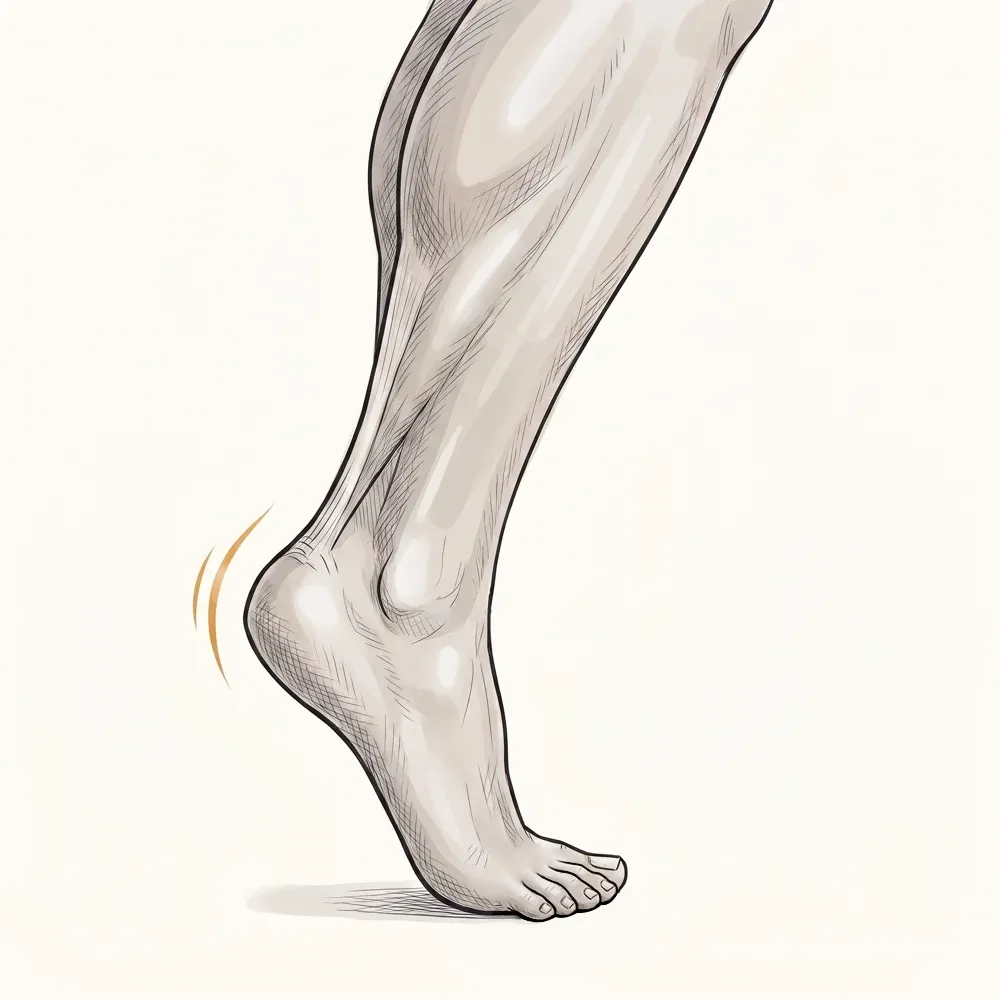
Achilles tendinopathy involves irritation, overload, and reduced tissue capacity within the Achilles tendon — the large tendon connecting your calf muscles to your heel bone.
The condition commonly develops gradually over time due to repeated strain through the tendon. In more longstanding cases, the tendon may become thickened, stiff, and less able to tolerate load efficiently.
Symptoms
- Pain or stiffness at the back of the heel or ankle
- Morning stiffness in the tendon
- Pain during or after walking, running, or exercise
- Thickening or swelling of the tendon
- Reduced ankle flexibility or calf tightness
- Tenderness when pressing on the tendon
Causes
Achilles tendinopathy is commonly related to excessive load through the tendon over time.
Contributing factors may include:
- Sudden increases in activity
- Calf tightness or weakness
- Reduced ankle mobility
- Footwear
- Running mechanics
- Training errors
- Age-related tendon changes
- Altered lower limb biomechanics
Because your feet form the foundation of movement, the way your feet, heels, and lower limbs move can significantly influence the twisting and loading forces applied to the Achilles tendon during walking and running.
When to see a podiatrist
You should consider an assessment if your Achilles pain:
- Persists for more than 1–2 weeks
- Affects your walking, exercise, sport, or work
- Continues to worsen
- Is associated with swelling, thickening, or weakness of the tendon
Early management can often help prevent the condition from becoming more chronic and difficult to treat.
How we treat Achilles tendinopathy
At Masterton Foot Clinic, our Proven Process combines the latest evidence with extensive clinical experience.
Treatment focuses not only on reducing pain but also on improving the tendon's ability to tolerate long-term load and reducing the likelihood of recurrence.
We begin by identifying the factors contributing to tendon overload, then tailor treatment to your condition, goals, activity level, and stage of recovery.
Our approach commonly focuses on:
- Reducing excessive tendon irritation
- Managing training and activity loads
- Improving calf strength and tendon capacity
- Restoring foot and ankle mobility
- Improving movement efficiency
- Supporting a safe return to activity and sport
Depending on your presentation, treatment may include:
- Progressive strength and rehabilitation programmes
- Load management strategies
- Shockwave Therapy
- Orthotics or bracing
- Footwear advice
- Foot Mobilisation Therapy (FMT)
- Biomechanics & Gait Assessment
- Return-to-sport planning
Book with our podiatrists
Choose the clinician you would like to see, or call us and we will match you with the right person.


Not sure who to see? Call us on 06 370 4057 and we will point you in the right direction.
Treatments available
Shockwave Therapy
Radial Pressure Wave treatment may help reduce pain and support recovery in chronic tendon, muscular, and sporting injuries — without injections or surgery.
Learn moreBiomechanics & Gait
A detailed assessment of how your feet, legs, and body move and function — helping us identify the factors contributing to your pain, injury, or reduced performance.
Learn moreOrthotics & Bracing
Custom orthotic and bracing solutions designed to reduce overload through the Achilles tendon, improve lower limb mechanics, and support recovery.
Learn moreStrength & Rehabilitation Programmes
Progressive strength and loading programmes designed to improve tendon capacity, calf strength, movement efficiency, and long-term resilience.
Foot Mobilisation Therapy (FMT)
Hands-on treatment designed to improve foot and ankle mobility, movement efficiency, and lower limb function where stiffness or restricted movement may be contributing to tendon overload.
Learn moreFrequently asked questions
How long does recovery take?
Should I stop running?
Do I need imaging?
Will I need orthotics?
Can Achilles tendinopathy become chronic?
Can Shockwave Therapy help Achilles tendinopathy?
Related conditions
Plantar Fasciitis
Plantar heel pain is one of the most common conditions we assess and manage at Masterton Foot Clinic.
Ankle Sprains
Ankle sprains are one of the most common sporting and everyday injuries we assess and manage at Masterton Foot Clinic.
Heel & Ankle Pain
Helping you identify the cause of heel and ankle pain, reduce symptoms, restore movement, and return to the activities you enjoy.
Knee Osteoarthritis
Knee osteoarthritis is one of the most common causes of knee pain and disability.
Ready to get moving again?
Book online for the next available appointment, or call us to discuss your needs.
- ACC registered
- Southern Cross Easy-Claim available