
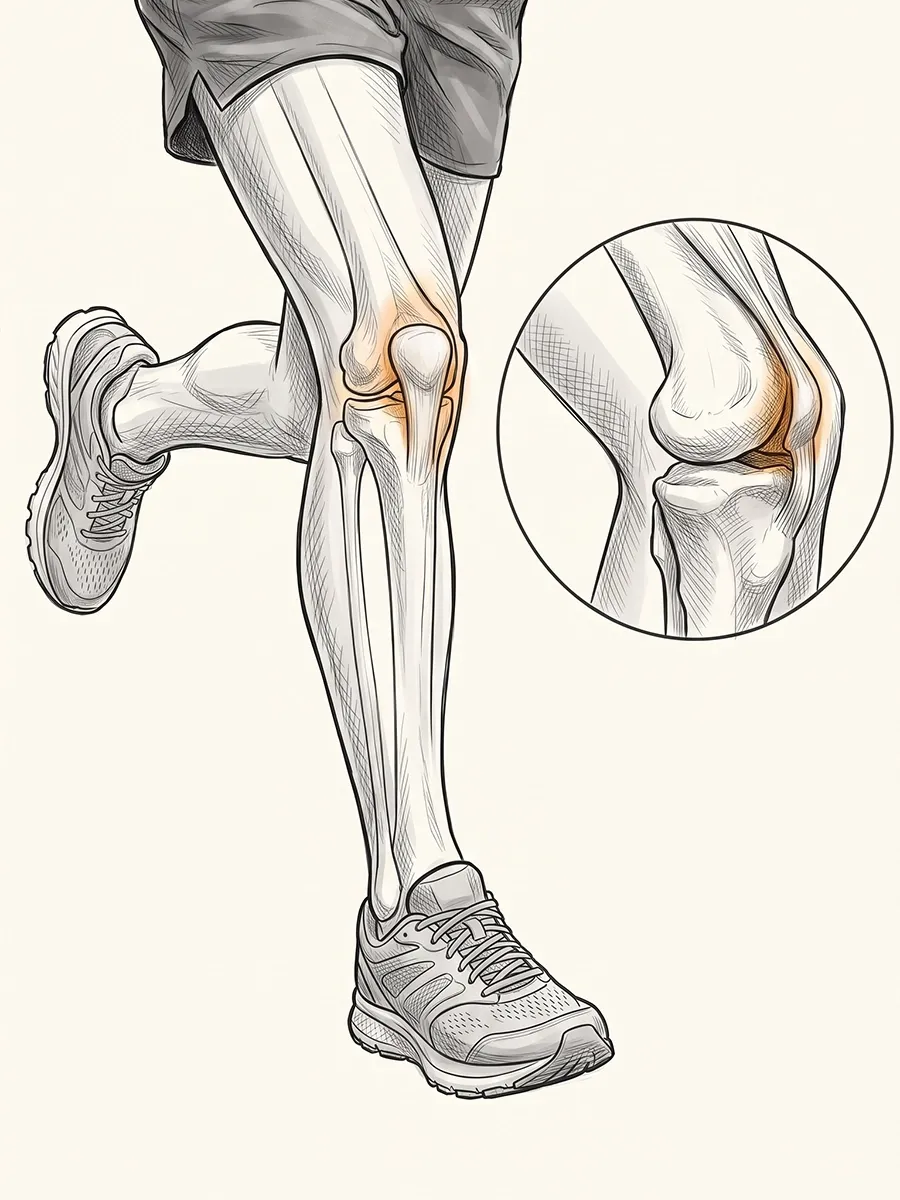
Patellofemoral Pain
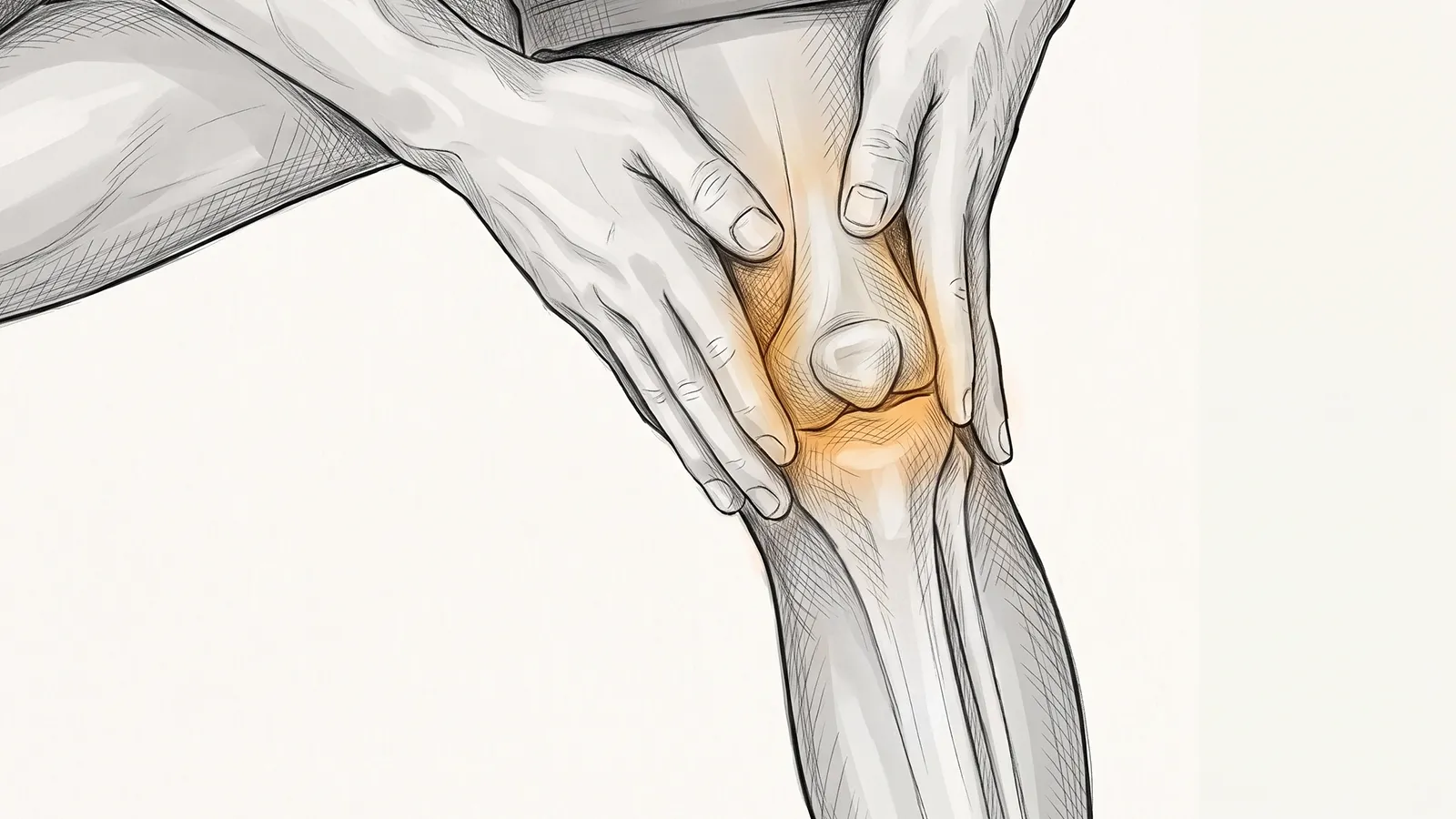
Patellofemoral pain is one of the most common causes of pain around the front of the knee. Often called "runner's knee", it commonly affects active people but can also occur during everyday activities such as climbing stairs, squatting, kneeling, or sitting for prolonged periods.
At Masterton Foot Clinic, we regularly assess people with knee pain and understand that the knee does not function in isolation. The way your feet, ankles, hips, and lower limbs work together can significantly influence the forces passing through the knee.
What is patellofemoral pain?
Patellofemoral pain refers to pain arising from the structures around and behind the kneecap (patella).
It is generally considered a load-related condition, where the forces passing through the kneecap exceed the joint's ability to tolerate them.
Unlike arthritis, patellofemoral pain commonly affects younger and active individuals, although it can occur at any age.
Many people do not realise how closely the foot and knee are linked. Changes in foot posture, ankle mobility, footwear, muscle strength, and walking mechanics can all influence the loads passing through the knee.
Symptoms
- Pain around or behind the kneecap
- Pain when climbing or descending stairs
- Pain during squatting, lunging, or running
- Pain after sitting for prolonged periods
- Knee stiffness
- Clicking, grinding, or crunching sensations within the knee
- Pain during sport or exercise
- Reduced confidence with activity
Causes
Patellofemoral pain is usually caused by a combination of factors rather than a single problem.
Common contributing factors include:
- Sudden increases in training or activity levels
- Weakness of the quadriceps or hip muscles
- Reduced lower-limb strength and conditioning
- Foot and lower-limb biomechanics
- Running and movement patterns
- Footwear
- Reduced tissue capacity
- Previous injury
Because the foot is the foundation of movement, changes in foot function can influence how forces are transferred through the knee during walking, running, and sport.
When to see a podiatrist
We recommend an assessment if your knee pain:
- Is affecting your walking, exercise, work, or sport
- Persists despite rest or activity modification
- Continues to worsen
- Returns whenever you increase your activity levels
- Limits your ability to remain active
Early intervention often allows problems to be addressed before they become more persistent and difficult to manage.
As ACC-registered practitioners, we can also assess your injury and lodge ACC claims where appropriate.
How we treat patellofemoral pain
At Masterton Foot Clinic, our Proven Process combines current evidence with extensive clinical experience.
We focus on identifying the factors contributing to excessive load through the knee and developing a treatment plan tailored to your goals, lifestyle, and activity levels.
Depending on your presentation, treatment may include:
- Strength and rehabilitation programmes
- Custom Foot Orthoses
- Knee bracing where appropriate
- Footwear advice
- Load management strategies
- Running and movement assessment
- Foot Mobilisation Therapy (FMT)
- Activity modification and return-to-sport planning
Our goal is to help you reduce pain, improve function, and remain active long term.
Book with our podiatrists
Choose the clinician you would like to see, or call us and we will match you with the right person.


Not sure who to see? Call us on 06 370 4057 and we will point you in the right direction.
Treatments available
Biomechanics & Gait
A comprehensive assessment of how your feet and lower limbs move and function, helping identify the factors contributing to knee pain and overload.
Learn moreCustom Foot Orthoses
Individually prescribed orthoses designed to improve lower-limb function and help manage forces passing through the knee.
Learn moreKnee Braces
Medical-grade knee bracing designed to improve comfort, confidence, stability, and activity participation where appropriate.
Learn moreFoot Mobilisation Therapy (FMT)
Hands-on treatment designed to improve foot and ankle mobility where movement restrictions may be contributing to altered lower-limb loading patterns.
Learn moreFrequently asked questions
Can foot problems cause knee pain?
Do I need to see an orthopaedic surgeon?
How long until my knee feels better?
Can a knee brace help?
Can I continue exercising?
Related conditions
Knee Osteoarthritis
Knee osteoarthritis is one of the most common causes of knee pain and disability.
IT Band Syndrome
IT Band Syndrome is one of the most common causes of pain on the outer side of the knee.
Shin Splints
Shin splints are among the most common running- and exercise-related injuries we see at Masterton Foot Clinic.
Sports Injuries & ACC Care
Comprehensive assessment and management of sporting and activity-related injuries.
Ready to get back to doing what you enjoy?
Book online for the next available appointment, or call us to discuss your needs.
- ACC registered
- Southern Cross Easy-Claim available