
Bunions
Bunions are one of the most common foot conditions we assess and manage at Masterton Foot Clinic. While many people think bunions are simply a lump on the side of the foot, they are actually a progressive change in the alignment, stability, and function of the big toe joint.
Early assessment and management can often help reduce pain, improve function, and potentially slow progression.
What is a bunion?
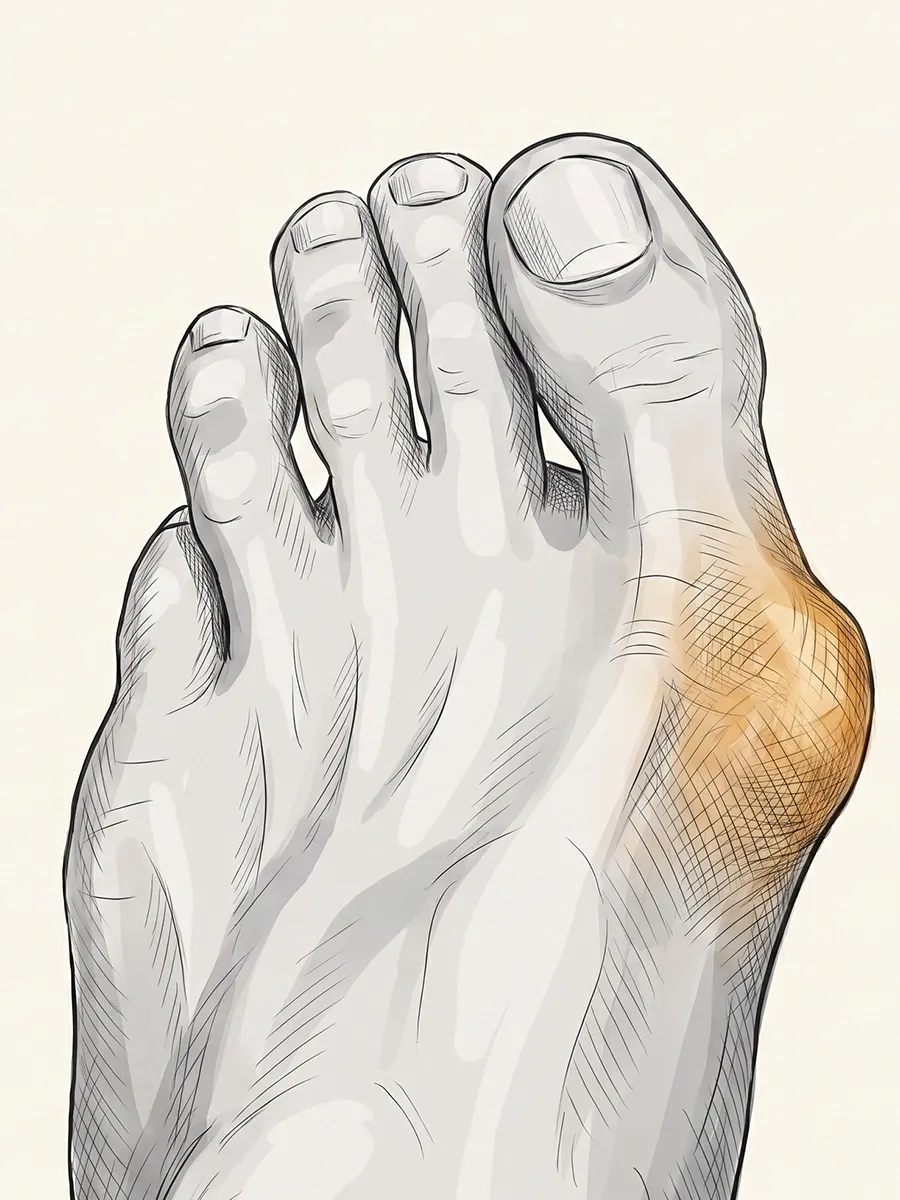
A bunion, also known as Hallux Valgus, is a progressive change in the position of the big toe and the joint at its base.
Over time, the big toe drifts towards the smaller toes while the joint becomes more prominent.
Although many people notice the visible bump, the underlying issue is usually changes in joint alignment, movement, and loading through the foot.
The bunion itself is often the visible result of a more complex change occurring within the mechanics of the foot and big toe joint.
Symptoms
- A bump on the side of the big toe joint
- Pain, swelling, or tenderness around the joint
- Difficulty fitting into certain shoes
- Redness or irritation over the bunion
- Reduced movement of the big toe
- Calluses between or beneath the toes
- Progressive drifting of the big toe towards the second toe
Causes
Bunions usually develop due to a combination of factors, with genetics and foot structure playing a significant role.
Contributing factors may include:
- Family history and inherited foot structure
- Joint laxity or hypermobility
- Foot posture and biomechanics
- Progressive changes in the stability of the big toe joint
- Certain footwear styles that increase pressure through the forefoot
- Age-related changes in soft tissues and joint function
While bunions often run in families, not everyone with a genetic predisposition will develop symptoms.
The severity and progression of a bunion can vary considerably between individuals and are influenced by multiple factors over time.
When to see a podiatrist
We recommend an assessment if:
- Your bunion is becoming painful
- You are struggling with footwear
- The deformity appears to be progressing
- You are developing calluses or pressure areas
- Your walking, exercise, or daily activities are being affected
Early intervention often provides the greatest opportunity to improve comfort, maintain function, and potentially slow progression.
How we treat bunions
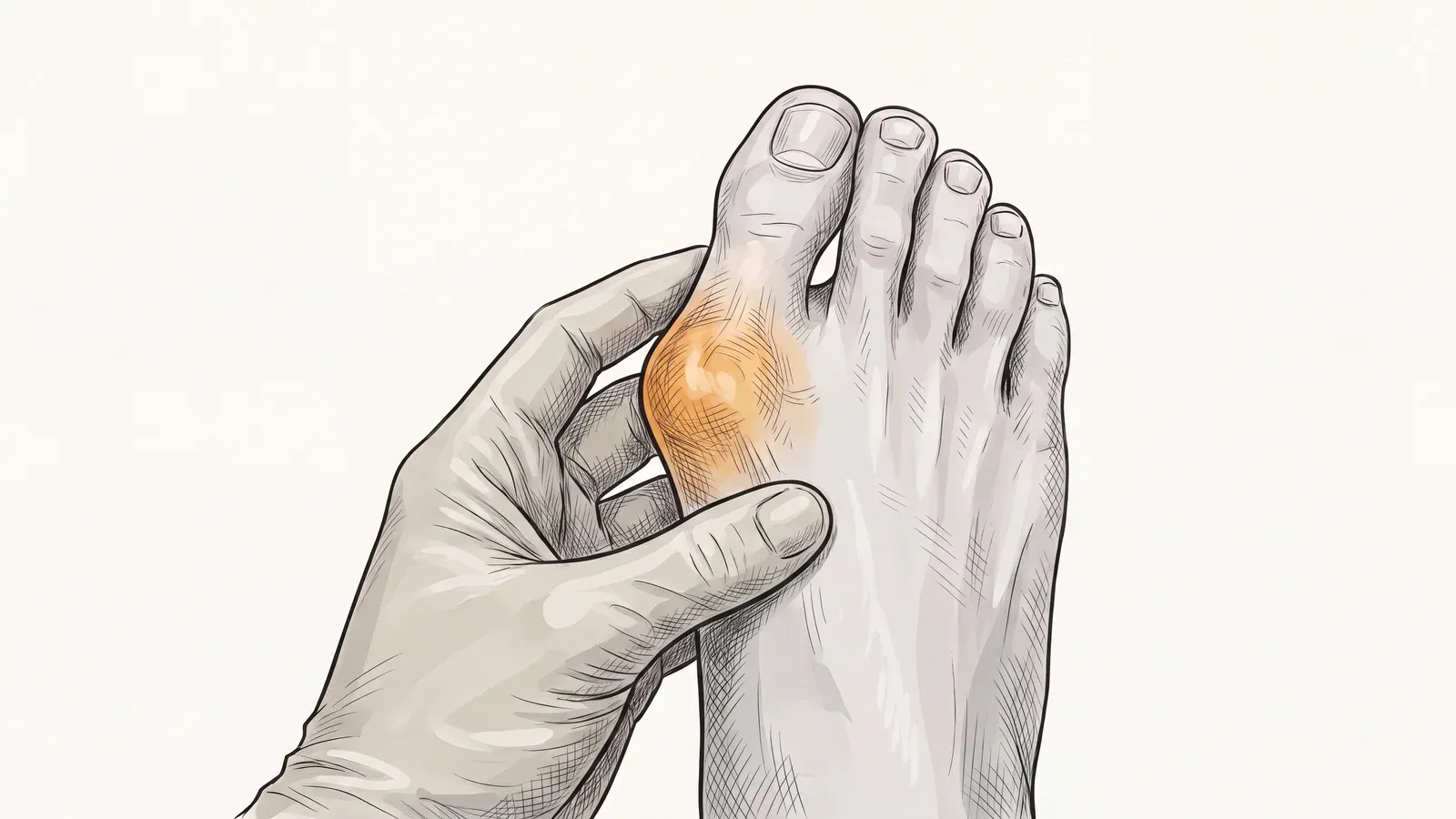
At Masterton Foot Clinic, our Proven Process combines current evidence with extensive clinical experience.
We focus on understanding why your bunion is developing and identifying the factors contributing to pain, joint dysfunction, and progression.
Our approach is not simply about treating the bump. We assess how your feet function during standing, walking, and movement to develop a treatment plan tailored to your goals and lifestyle.
Depending on your presentation, treatment may include:
- Foot Mobilisation Therapy (FMT)
- Orthotic therapy
- Footwear advice
- Strength and rehabilitation programmes
- Toe spacer advice where appropriate
- Pressure redistribution strategies
- Activity modification where required
- Ongoing monitoring of progression
Our goal is to help you remain active, comfortable, and confident while reducing the impact bunions have on your daily life.
Book with our podiatrists
Choose the clinician you would like to see, or call us and we will match you with the right person.



Not sure who to see? Call us on 06 370 4057 and we will point you in the right direction.
Treatments available
Foot Mobilisation Therapy (FMT)
Hands-on treatment designed to improve joint mobility, movement efficiency, and lower limb function.
Learn moreOrthotics & Bracing
Custom and preformed orthotic solutions designed to improve load distribution, support foot function, and reduce stress through the big toe joint.
Learn moreBiomechanics & Gait
A detailed assessment of how your feet and lower limbs function during standing, walking, and movement.
Learn moreOrthopaedic Footwear
Footwear solutions designed to accommodate bunions, improve comfort, and reduce irritation over the affected joint.
Learn moreFrequently asked questions
Can bunions be fixed without surgery?
Can Foot Mobilisation Therapy help bunions?
Do bunion correctors work?
Are bunions hereditary?
Can bunions be prevented?
Will my bunion get worse?
Related conditions
Big Toe Arthritis
Helping you understand the cause of pain and stiffness in the big toe joint, reduce symptoms, and maintain comfortable movement for as long as possible.
Metatarsalgia
Metatarsalgia is one of the most common causes of pain beneath the ball of the foot.
Children's Feet
Children's feet and legs change rapidly as they grow. Many variations in foot posture, walking style, and movement are a normal part of development.
Forefoot & Toe Pain
Helping you identify the cause of pain in the ball of the foot and forefoot, reduce symptoms, and return to comfortable walking, work, and activity.
Ready to manage your bunion?
Book online for the next available appointment, or call us to discuss your needs.
- ACC registered
- Southern Cross Easy-Claim available