
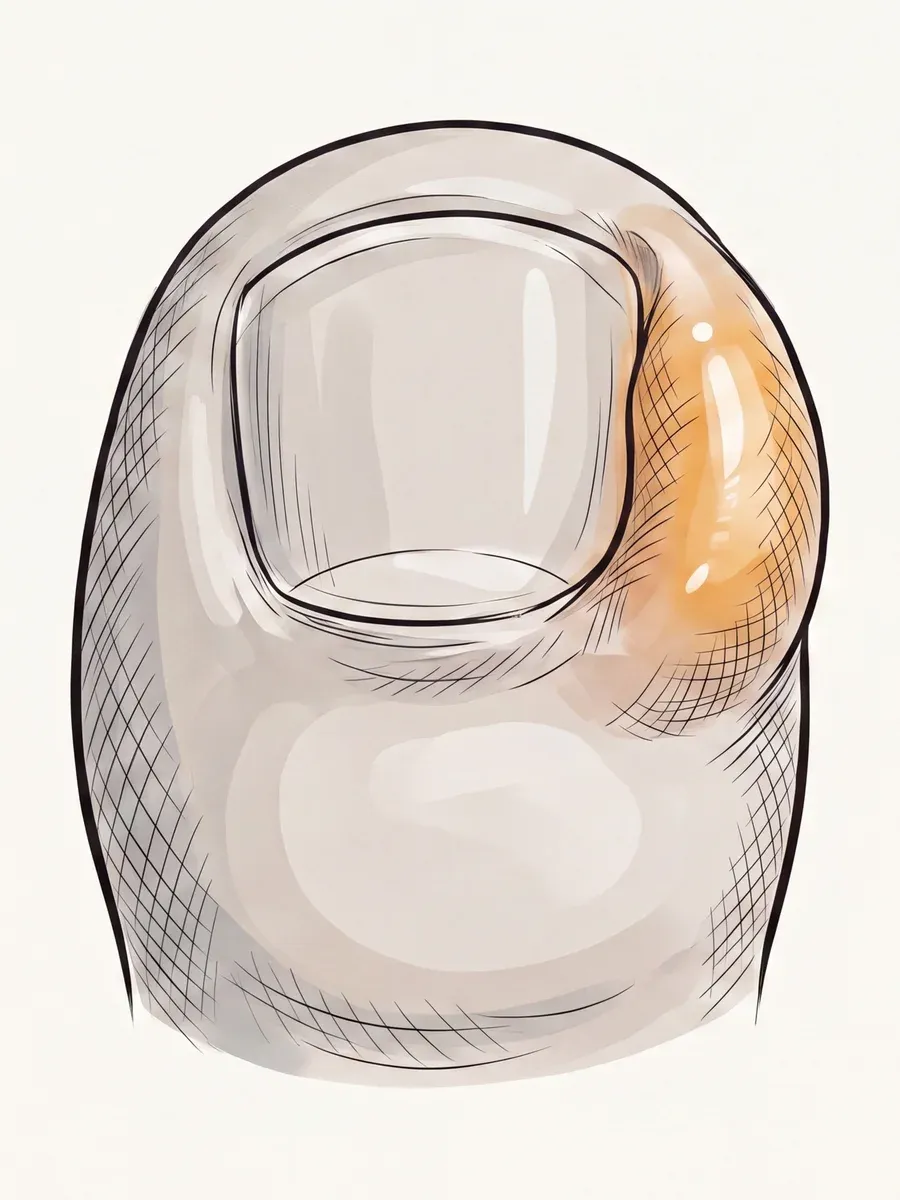
Ingrown Toenails
Ingrown toenails are one of the most common and painful nail conditions we treat at Masterton Foot Clinic. They occur when the edge of the nail grows into the surrounding skin, causing pain, inflammation, and sometimes infection.
Whether your problem has just started or you've been struggling with recurring ingrown toenails for years, we'll assess the cause and recommend the most appropriate treatment for your individual situation.
What is an ingrown toenail?
An ingrown toenail occurs when the edge or corner of the nail presses into or penetrates the surrounding skin.
This most commonly affects the big toe and may range from mild irritation to significant pain, swelling, infection, and overgrowth of tissue around the nail.
Many people assume the nail is simply "growing the wrong way." In reality, ingrown toenails often develop due to a combination of nail shape, pressure, trauma, footwear, and how the surrounding soft tissues respond.
Symptoms
Common symptoms include:
- Pain along the edge of the nail.
- Redness and swelling.
- Tenderness when pressure is applied.
- Difficulty wearing enclosed footwear.
- Bleeding.
- Discharge or pus where infection is present.
- Overgrowth of skin (proud flesh or granulation tissue).
- Recurrent infections.
Symptoms may develop gradually or after nail trauma, improper nail trimming, or increased pressure on the toe.
Causes
Ingrown toenails commonly develop due to a combination of factors, including:
- Naturally curved or involuted nails.
- Incorrect nail trimming.
- Tight footwear.
- Trauma to the toe.
- Sporting activities.
- Thickened nails.
- Sweaty feet.
- Genetics.
For many people, there is no single cause. Understanding why the problem has developed helps guide the most appropriate treatment and reduce the likelihood of recurrence.
When should you see a podiatrist?
We recommend an assessment if:
- Your toe has become painful or swollen.
- There are signs of infection, such as redness, discharge, or increasing pain.
- The problem keeps returning.
- You are unable to comfortably wear shoes.
- You have diabetes, poor circulation, reduced sensation, or another condition that increases your risk of complications.
- You have attempted home treatment without success.
Early treatment is often simpler, less painful, and may prevent infection or the need for more extensive treatment.
Why early treatment matters
Many people delay seeking treatment because they hope the nail will improve on its own or they are worried about nail surgery.
In reality, an ingrown toenail often becomes progressively more painful as inflammation develops. Repeated infection can lead to persistent swelling and overgrowth of tissue around the nail.
Treating the problem early often results in a quicker recovery and may reduce the likelihood of ongoing or recurrent symptoms.
How we treat ingrown toenails
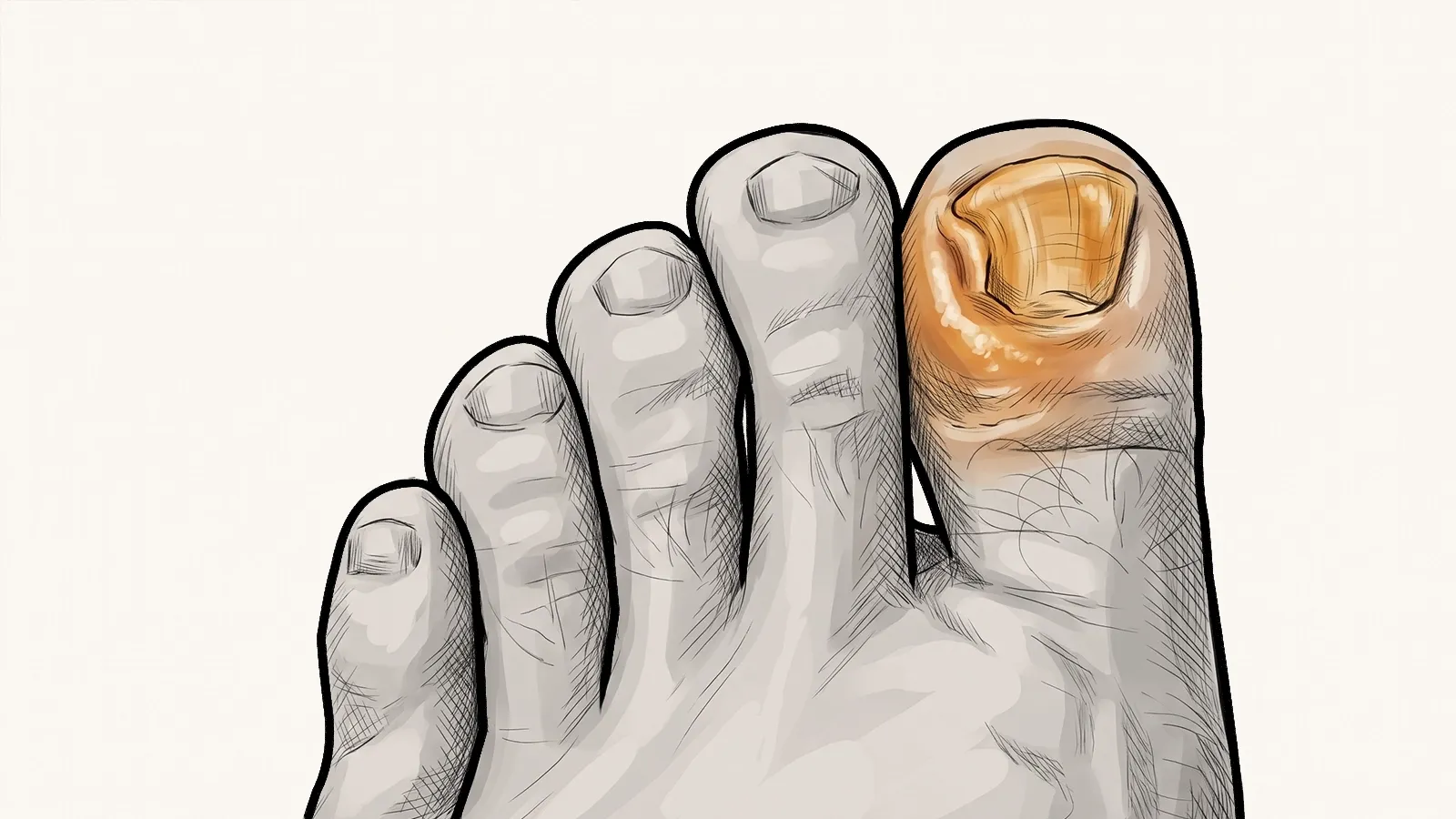
Treatment depends on the severity of your symptoms, whether infection is present, and whether this is your first or a recurring problem.
Depending on your presentation, treatment may include:
- Conservative nail care.
- Removal of the offending nail edge.
- Management of infection and inflammation.
- Footwear advice.
- Nail care education.
- Temporary nail removal where appropriate.
- Partial nail avulsion with a chemical procedure to permanently prevent recurrence, where appropriate.
Our goal is to relieve your pain, allow the toe to heal, and minimise the likelihood of the problem returning.
Book with our podiatrists
Choose the clinician you would like to see, or call us and we will match you with the right person.



Not sure who to see? Call us on 06 370 4057 and we will point you in the right direction.
Treatments available
Conservative Ingrown Toenail Care
Removal of the offending nail edge and treatment of the surrounding skin where appropriate.
Partial Nail Avulsion
A minor surgical procedure performed under local anaesthetic to remove the ingrown section of the nail.
Permanent Nail Procedure
Where ingrown toenails repeatedly recur, a chemical procedure may be performed following partial nail removal to permanently prevent the edge of the nail from growing back.
Learn moreSkin & Nail Care
Professional nail care and education to help reduce the risk of future problems.
Learn moreFrequently asked questions
Will I need surgery?
Is nail surgery painful?
Will the nail grow back?
Can I drive home afterwards?
If your left foot is treated and you drive an automatic vehicle, you may be able to drive once you feel safe. However, we recommend discussing your individual circumstances with your Podiatrist before your procedure.
Can ingrown toenails come back?
Helping you get back on your feet
Ingrown toenails can quickly become painful and frustrating, but they are also one of the most successfully treated conditions we see. Whether you need simple conservative care or a permanent solution, we'll recommend the treatment that best suits your situation and help you return to comfortable, confident walking as quickly as possible.
- ACC registered
- Southern Cross Easy-Claim available