In-Toeing
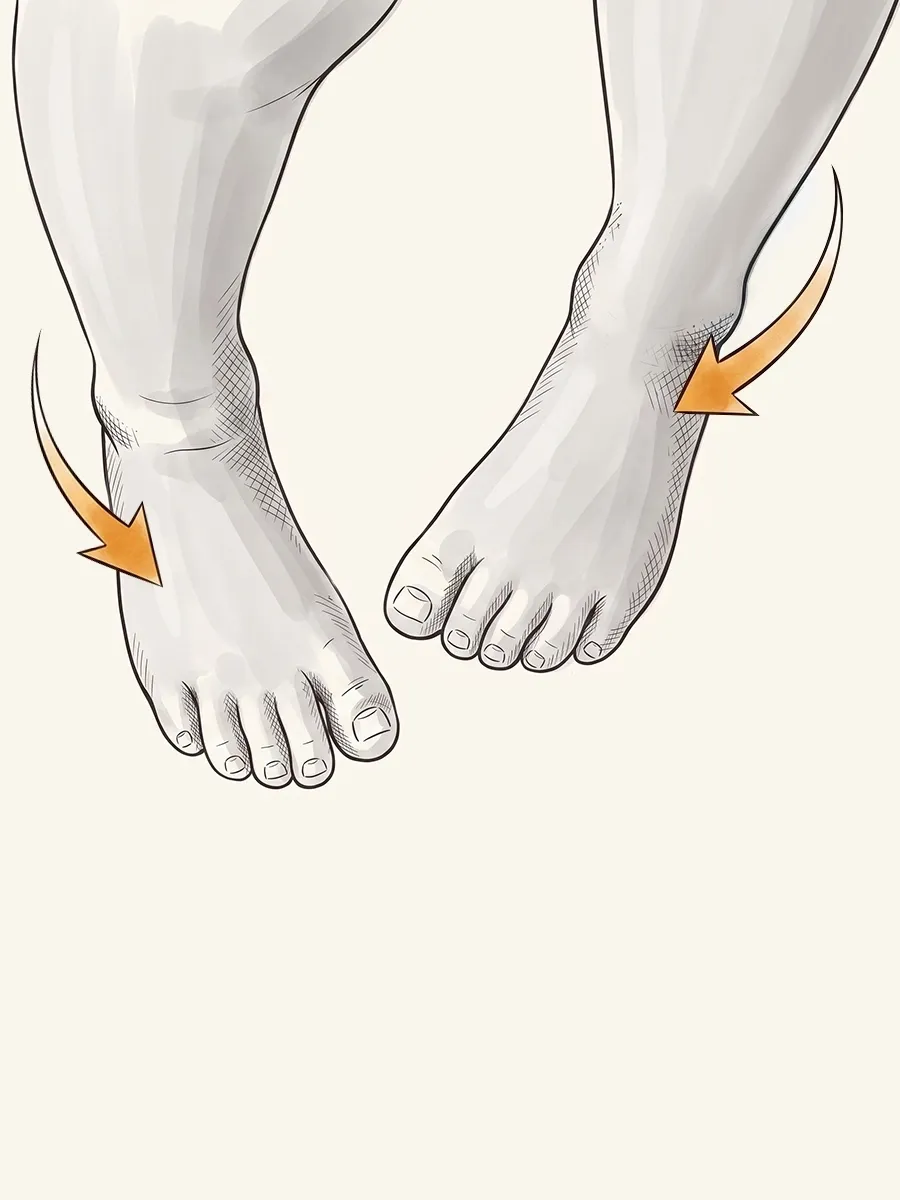
In-toeing, sometimes called “pigeon toes”, is a common reason parents bring their children to Masterton Foot Clinic. Many children naturally walk with their feet pointing inwards during early childhood, and in most cases, it improves as they grow.
Our role is to determine whether your child's intoeing is part of normal development or whether it is contributing to pain, tripping, reduced participation, or other functional problems.
What is in-toeing?
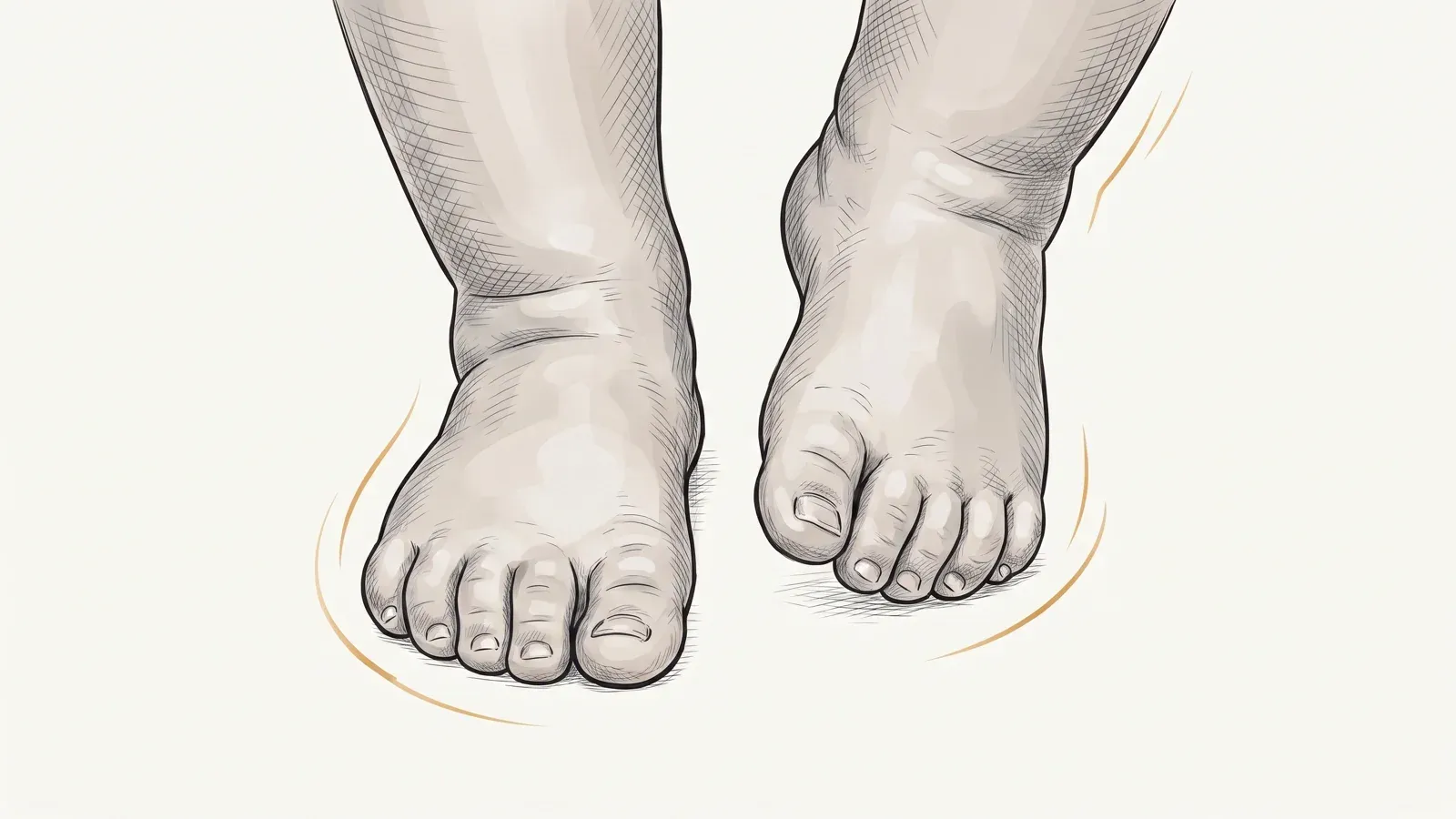
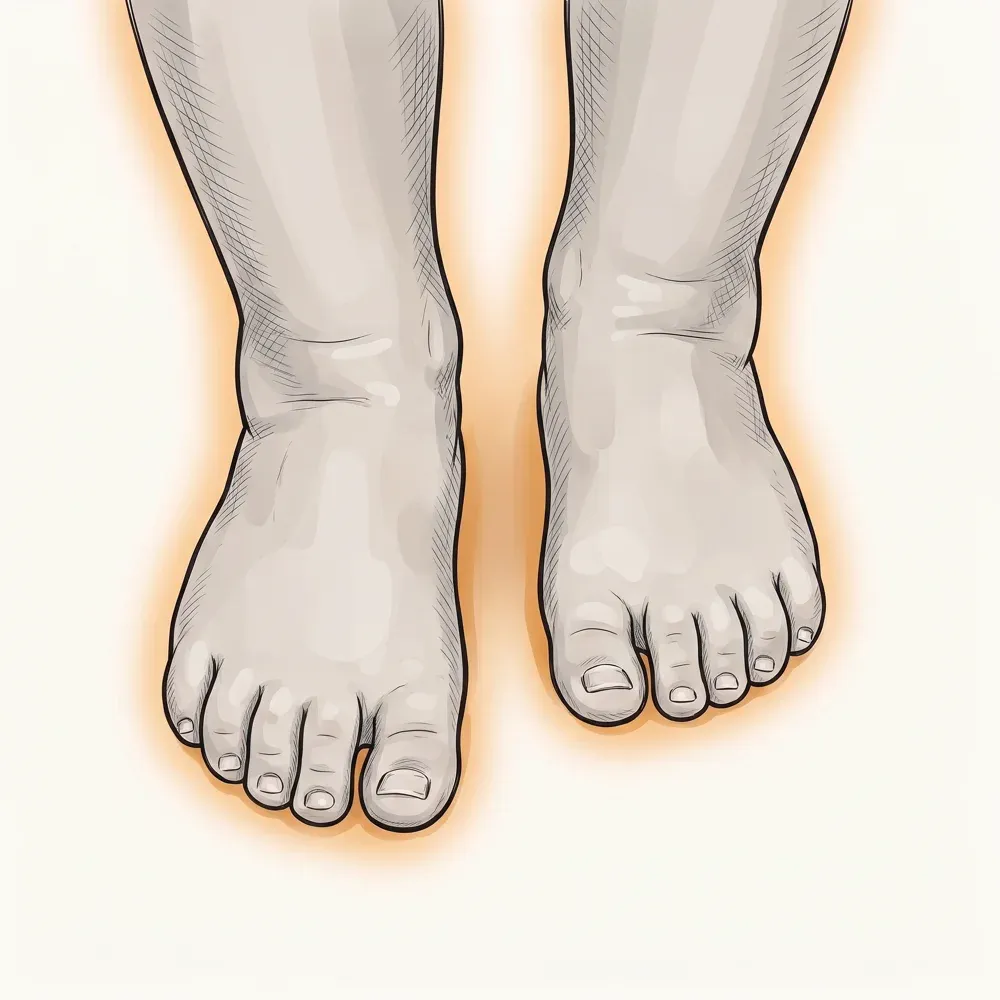
In-toeing describes a walking pattern in which one or both feet point inwards during walking or running.
Although many parents assume the feet are responsible, intoeing can originate from different parts of the lower limb, including:
- The foot (metatarsus adductus)
- The shin (internal tibial torsion)
- The hip (femoral anteversion)
Movement patterns are often influenced by more than just bone shape. Muscle strength, motor control, soft tissue flexibility, ligament laxity, and coordination can all contribute to the way a child walks.
Identifying the source of the intoeing is an important part of determining whether treatment is appropriate.
Symptoms
Many children with intoeing have no symptoms at all.
However, some children may experience:
- Frequent tripping or stumbling
- Difficulty keeping up with other children
- Reduced confidence while running or participating in sports
- Fatigue during walking or activity
- Foot, leg, or knee discomfort
- Parents noticing unusual walking or running patterns
What causes in-toeing?
The cause depends on the child's age and where the inward rotation originates.
Common causes include:
- Metatarsus adductus (curved forefoot)
- Internal tibial torsion (inward twist of the shinbone)
- Femoral anteversion (inward twist of the thigh bone)
- Muscle imbalance or altered motor control
- Soft tissue tightness or ligament laxity
- Normal developmental variation during growth
At the time of writing, current evidence suggests that most children with intoeing improve naturally as they grow, particularly when the intoeing is symmetrical and not causing functional problems.
How can in-toeing affect my child?
Your child's feet and legs work as one connected system.
Almost every muscle in the lower leg attaches to the foot, while the muscles around the hip, knee, and ankle work together to control movement during walking and running. Because of this, the position of the foot often reflects what is happening elsewhere in the lower limb.
Although many children with intoeing function perfectly well, others may develop tripping, fatigue, reduced confidence, difficulty participating in sports, or discomfort in the feet or legs.
Rather than focusing solely on the direction the feet point, we assess the entire lower limb to understand how your child moves and whether the intoeing is contributing to any functional concerns.
When should you see a podiatrist?
We recommend an assessment if your child:
- Trips or falls more often than expected.
- Complains of foot, leg, or knee pain.
- Tires quickly during walking or sports.
- Avoids physical activity.
- Has one leg that appears significantly different from the other.
- Has intoeing that seems to be worsening rather than improving.
- Has concerns about balance or coordination.
Most importantly, we determine whether your child's walking pattern is affecting their function rather than simply how it looks.
How we assess in-toeing
Every child develops differently.
Our assessment may include:
- Walking and running assessment
- Hip range of motion
- Muscle strength and balance
- Tibial torsion assessment
- Foot posture assessment
- Joint mobility
- Balance and coordination
- Footwear assessment
- Functional testing appropriate for your child's age
This allows us to identify where the intoeing originates, whether it is part of normal development, and whether treatment is likely to provide meaningful benefit.
How we treat in-toeing
At the time of writing, the best available evidence suggests that many children with intoeing do not require treatment and that their condition improves naturally with growth.
When treatment is appropriate, our focus is to improve function, participation, confidence, and comfort rather than simply changing the appearance of the walking pattern.
Depending on your child's presentation, treatment may include:
- Education and reassurance
- Monitoring during growth
- Footwear advice
- Strength and balance exercises
- Foot Mobilisation Therapy (FMT), where appropriate
- Custom Foot Orthoses where appropriate
- Referral for further investigation where indicated
Where Custom Foot Orthoses are prescribed, they are designed to address your child's individual presentation and functional needs as part of a broader treatment plan.
Book with our podiatrists
Choose the clinician you would like to see, or call us and we will match you with the right person.


Not sure who to see? Call us on 06 370 4057 and we will point you in the right direction.
Treatments available
Biomechanics & Gait
A comprehensive assessment of walking, running, movement patterns, and lower-limb function.
Learn moreCustom Foot Orthoses
Where clinically indicated, Custom Foot Orthoses may improve comfort, support lower-limb function, and assist with selected gait patterns. They are prescribed to improve function rather than simply alter foot shape.
Learn moreFoot Mobilisation Therapy (FMT)
Hands-on treatment that may be appropriate where restricted joint movement is contributing to altered lower-limb mechanics.
Learn moreFrequently asked questions
Will my child grow out of intoeing?
Does intoeing always come from the feet?
Will my child need Custom Foot Orthoses?
Can exercises correct intoeing?
Is surgery ever required?
Related conditions
Children's Flat Feet
Flat feet are one of the most common reasons parents bring their children to see us.
Growing Pains
Growing pains commonly cause aching or discomfort in the legs and feet, often in the evening or overnight.
Children's Foot & Leg Pain
Custom Foot Orthoses
Individually prescribed orthoses that may improve comfort, support lower-limb function, and assist with selected gait patterns where clinically indicated.
Helping children move with confidence
If you have concerns about your child's walking or running pattern, we'd be happy to assess whether it is developing normally and discuss whether any treatment is likely to be beneficial.
- ACC registered
- Southern Cross Easy-Claim available