
Fungal Nails: Why Winter Makes Them Worse and What Actually Works
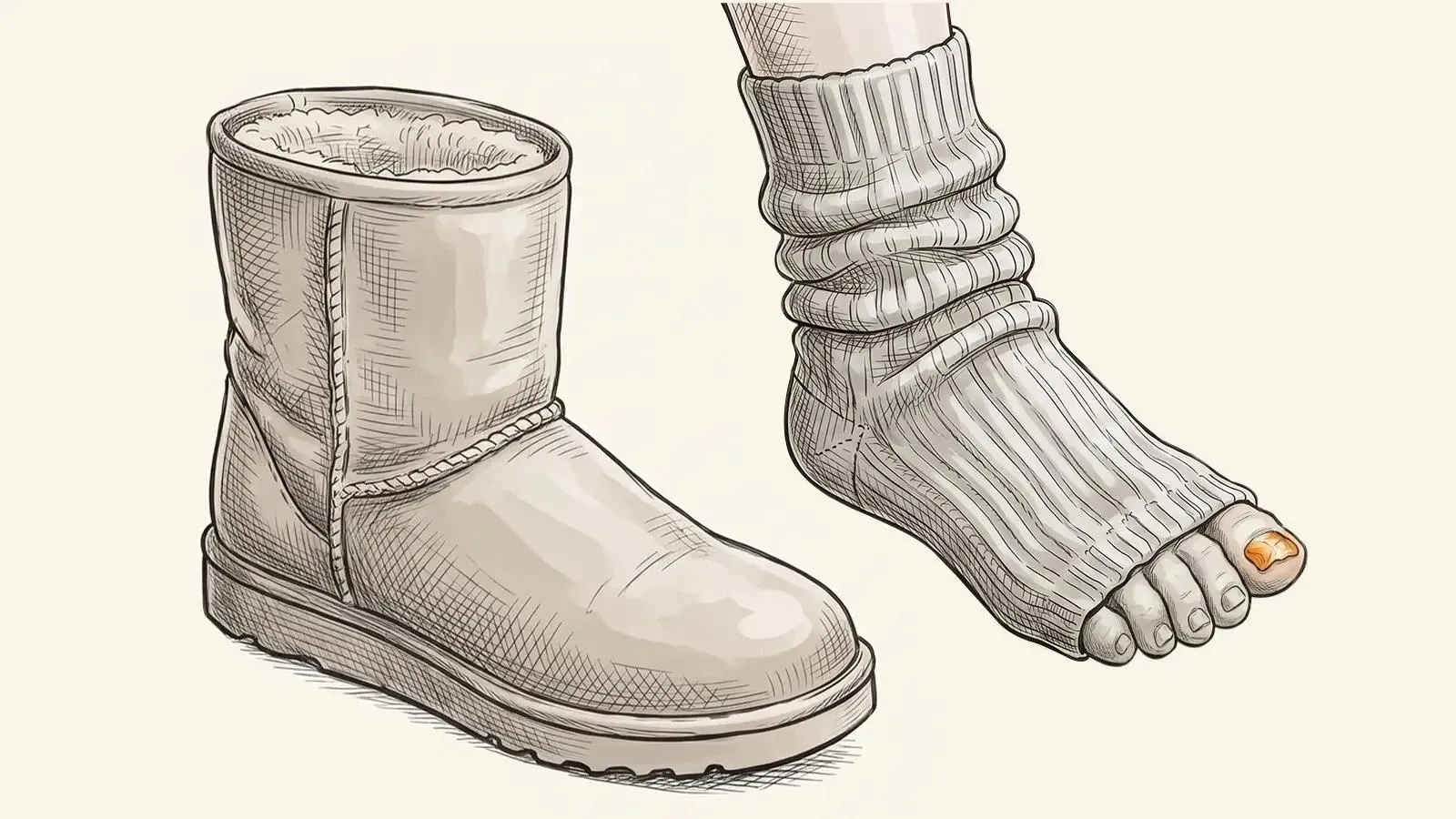
Winter often means thicker socks, enclosed footwear, and less time for our feet to be exposed to fresh air. Unfortunately, those same conditions also create an environment in which fungal nail infections thrive.
If you've noticed your nails becoming thicker, more discoloured, or more difficult to cut during winter, you're certainly not alone.
What Are Fungal Nails?
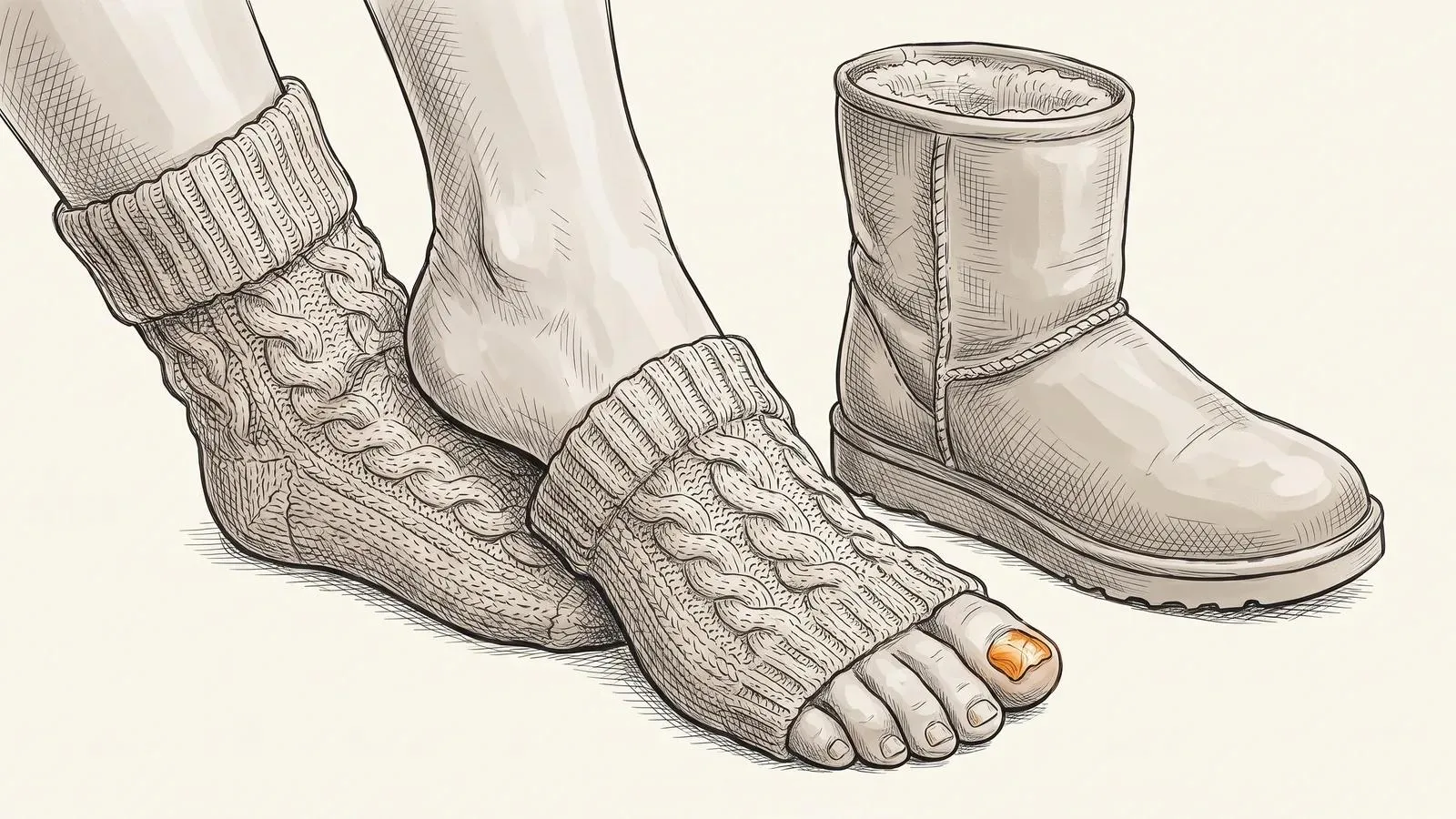
Fungal nail infections (onychomycosis) are most commonly caused by dermatophyte fungi that invade the nail and nail bed. Over time, they can cause the nail to become yellow, white or brown, thickened, brittle, crumbly, and sometimes develop an unpleasant odour.
Unfortunately, fungal nail infections rarely resolve on their own and, if left untreated, may gradually spread to other nails.
Why Does Winter Make Them Worse?
Fungi thrive in warm, dark, moist environments.
During winter, our feet often spend more time in enclosed shoes and thicker socks, creating ideal conditions for fungal organisms to grow. Reduced ventilation and increased moisture can allow an existing infection to progress more quickly.
What Actually Works?
The best treatment depends on several factors, including:
- How many nails are affected?
- How severe the infection is.
- Your general health.
- Previous treatments you've tried.
- Whether the infection has been confirmed.
At Masterton Foot Clinic, we often use rapid fungal antigen testing to confirm the presence of a dermatophyte before recommending treatment. This allows us to provide more targeted treatment and helps avoid unnecessary therapies.
Depending on your situation, treatment options may include:
- Nail reduction and ongoing podiatry care.
- Topical antifungal treatments.
- Oral antifungal medication prescribed by your GP.
- Surgical nail removal (selected cases).
- Lunula Laser therapy.
Rather than recommending the same treatment for everyone, we'll discuss the advantages and limitations of each option and work with you to determine which approach best suits your goals.
Why Lunula Laser?
For many patients, Lunula Laser offers a comfortable, drug-free treatment option.
It is completely pain-free, requires no anaesthetic, and has no known systemic side effects associated with oral antifungal medications.
At the time of writing, published research suggests Lunula Laser may be an effective treatment option for appropriately selected patients, particularly when combined with good nail care and strategies to reduce reinfection.
Masterton Foot Clinic was the first clinic in New Zealand to introduce Lunula Laser and has now helped hundreds of patients manage fungal nail infections using this technology.
Preventing Reinfection
Successful treatment doesn't finish when the fungus has gone. Reducing the risk of reinfection is just as important.
Simple strategies include:
- Changing socks daily.
- Allowing footwear to dry thoroughly between wears.
- Rotating shoes where possible.
- Wearing footwear in communal changing areas.
- Treating athlete's foot promptly.
- Maintaining good nail hygiene.
- Replace or disinfect heavily contaminated footwear where appropriate.
Don't Ignore Thickened Nails
Many people live with fungal nail infections for years because they assume nothing can be done.
The good news is that there are now several treatment options available. The first step is to confirm the diagnosis and determine which treatment is most appropriate for you.
If you're concerned about a fungal nail infection, we'd be happy to assess your nails, confirm the diagnosis, and discuss available treatment options.